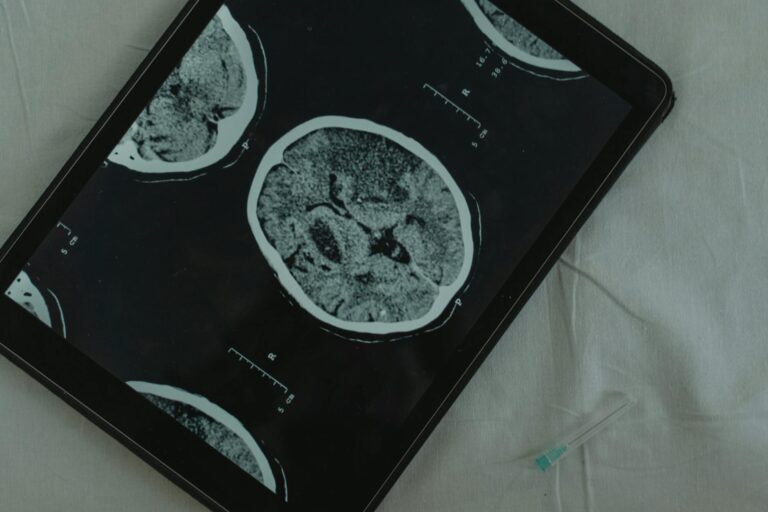
Kite flying is more than just a joyful pastime; it can play a surprisingly important role in protecting and enhancing the brain’s balance center. The brain’s balance center, primarily located in the inner ear and connected to areas like the cerebellum, helps us maintain equilibrium, coordinate movements, and stay oriented in space. Engaging in kite flying stimulates this system through a combination of sensory input, motor control, and mental focus.
When you fly a kite, your body constantly adjusts to keep the kite aloft against changing wind conditions. This requires subtle shifts in posture and movement that activate your vestibular system—the part of your inner ear responsible for sensing motion and spatial orientation. As you track the kite’s movements across the sky with your eyes while simultaneously managing tension on the string with your hands, multiple parts of your brain work together to process visual information alongside physical feedback from muscles and joints.
This multisensory coordination trains neural pathways involved in balance by challenging them regularly but gently. Over time, these repeated challenges help strengthen connections within the cerebellum (the brain region critical for fine motor control) as well as between sensory organs like eyes and ears that contribute to maintaining stability. In essence, flying a kite acts as an enjoyable form of vestibular exercise that keeps these systems sharp.
Moreover, controlling a kite demands sustained attention and quick reflexes because wind patterns are unpredictable—sometimes gusting suddenly or shifting direction unexpectedly. This unpredictability forces rapid adjustments not only physically but cognitively too: you must anticipate changes while staying calm under pressure. Such mental engagement promotes neuroplasticity—the brain’s ability to reorganize itself by forming new neural connections—which supports overall cognitive health including memory retention and problem-solving skills.
The rhythmic nature of pulling on strings or releasing slack also encourages mindful breathing patterns which can reduce stress hormones harmful to neurons involved with balance regulation. Lower stress levels improve blood flow throughout the body including regions responsible for equilibrium maintenance.
Additionally, being outdoors during kite flying exposes you to natural light which regulates circadian rhythms influencing sleep quality—a crucial factor since restorative sleep consolidates learning from activities like balancing exercises done during waking hours.
Kite flying also involves bilateral coordination—using both sides of your body simultaneously—which enhances communication between hemispheres of the brain via corpus callosum pathways essential for integrated motor function needed for balanced movement.
For children especially whose brains are still developing rapidly, regular engagement with activities like kite flying can support maturation of sensorimotor circuits foundational not only for physical stability but also academic skills such as handwriting or sports performance later on.
In older adults facing natural declines in vestibular function due to aging processes or mild neurological impairments such as dizziness or unsteadiness issues related to stroke recovery or Parkinson’s disease symptoms might find gentle yet stimulating activities like controlled kite flying beneficial when adapted properly under guidance—it encourages safe practice improving confidence along with functional mobility without high risk injury associated with some other forms exercise targeting balance improvement directly indoors (like standing on wobble boards).
Beyond physical benefits tied directly into neurological mechanisms supporting equilibrium control centers inside our heads lies an emotional dimension: engaging playfully outdoors elevates mood through dopamine release reinforcing motivation toward continued activity participation which indirectly sustains long-term neural health protecting against degenerative conditions linked partly due inactivity-induced cognitive decline seen commonly among sedentary lifestyles today.
In summary — though it may seem simple — **kite flying offers complex stimulation combining sensory integration from vision & proprioception (body awareness), dynamic postural adjustments activating vestibular inputs**, cognitive focus demanding anticipation & decision-making under variable environmental conditions plus emotional upliftment promoting healthy neurochemical environments all converging synergistically**to protect & enhance how well our brains manage balance** throughout life stages from childhood development through aging gracefully without losing independence due impaired equilibrium functions often overlooked until problems arise suddenly causing falls or injuries requiring medical intervention later down road.