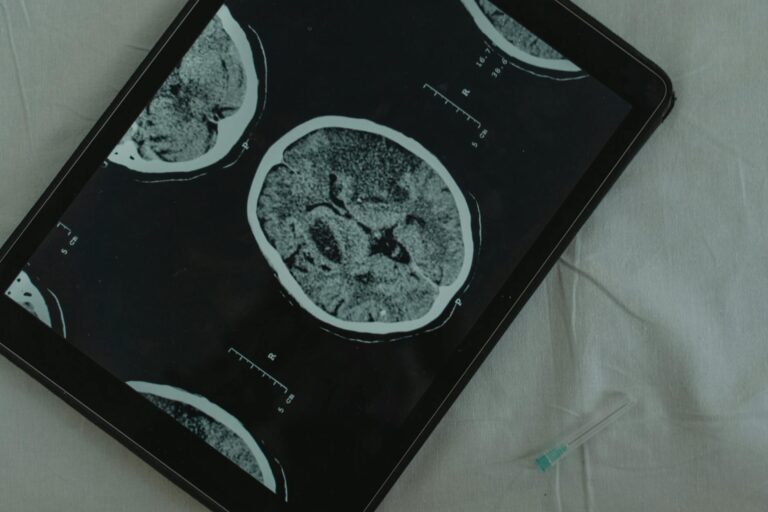
Green tea has been a staple in many cultures for centuries, not only for its refreshing taste but also for its numerous health benefits. One of the most promising aspects of green tea is its potential to protect against dementia, a condition that affects millions worldwide. The key to this protective effect lies in green tea’s rich content of polyphenols, particularly a compound called epigallocatechin-3-gallate (EGCG).
### How Green Tea Polyphenols Work
Green tea polyphenols, especially EGCG, are powerful antioxidants that help prevent cell damage by neutralizing harmful free radicals in the body. These antioxidants are crucial in reducing oxidative stress, which is a major contributor to neurodegenerative diseases like Alzheimer’s and Parkinson’s. Oxidative stress occurs when the body’s cells are damaged by reactive oxygen species (ROS), leading to inflammation and cell death. By reducing this oxidative stress, green tea polyphenols can help protect neurons from damage, thereby supporting brain health.
### Reducing Inflammation
Inflammation is another key factor in the development of dementia. Green tea polyphenols have anti-inflammatory properties that can modulate signaling pathways in the brain, reducing chronic inflammation. This is important because chronic inflammation is often implicated in cognitive decline and neurodegenerative diseases. By reducing inflammation, green tea polyphenols may help maintain healthy brain function and reduce the risk of dementia.
### Enhancing Gut-Brain Axis
The gut and the brain are connected through the gut-brain axis, a complex communication network that influences brain function and overall health. Green tea polyphenols, such as EGCG, can enhance gut health by promoting beneficial bacteria. This improvement in gut health indirectly supports neurological function by reducing systemic inflammation and improving neurotransmitter synthesis, which is essential for maintaining cognitive function.
### Supporting Cognitive Function
Green tea also contains L-theanine, an amino acid that can help improve focus, reduce stress, and promote relaxation. L-theanine works synergistically with caffeine to enhance cognitive function without causing jitters. This combination can improve mood and reduce anxiety, which are important for maintaining overall brain health.
### Conclusion
While more research is needed to fully understand how green tea polyphenols protect against dementia, the existing evidence suggests that incorporating green tea into your diet could be beneficial. Drinking green tea regularly may not only support brain health but also contribute to a healthier lifestyle overall. With its rich antioxidant content and potential cognitive benefits, green tea is a simple yet effective addition to any health regimen.