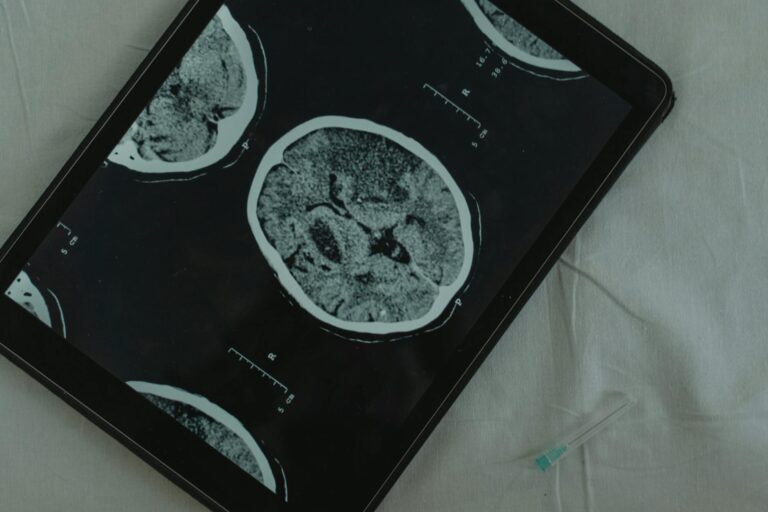
Gentle strength training is a powerful way to keep both your knees and brain youthful, functioning well, and resilient as you age. Unlike intense or high-impact workouts, gentle strength training focuses on controlled, moderate movements that build muscle, improve joint stability, and stimulate brain health without causing strain or injury. This approach is especially beneficial for maintaining knee health and cognitive function over time.
Starting with the knees, gentle strength training helps by strengthening the muscles surrounding the joint—primarily the quadriceps, hamstrings, and calf muscles. These muscles act like natural shock absorbers and stabilizers, reducing the load and stress directly placed on the knee joint itself. When these muscles are strong, they help keep the knee aligned properly during movement, which can prevent wear and tear on the cartilage and reduce pain associated with conditions like arthritis. Slow, controlled exercises such as leg lifts, gentle squats, and step-ups improve muscle tone without jarring the joint, promoting flexibility and easing stiffness. This kind of training also encourages better blood flow to the joint area, which nourishes cartilage and helps maintain its health. Over time, this can delay or even prevent the progression of degenerative joint issues that often come with aging.
Beyond the physical support, gentle strength training enhances neuromuscular coordination—the communication between your brain and muscles. This means your body learns to move more efficiently and safely, reducing the risk of falls or injuries that can be common as balance and reaction times decline with age. Exercises that involve balance and coordination, like standing on one leg or controlled arm and leg reaches, challenge your nervous system to adapt and improve. This not only protects your knees by encouraging safer movement patterns but also keeps your brain actively engaged.
Speaking of the brain, gentle strength training has remarkable benefits for cognitive health. Physical activity stimulates the release of important brain chemicals such as dopamine, serotonin, and endorphins, which elevate mood and reduce stress. But it goes deeper than just feeling good. Exercise triggers the production of hormones like irisin and brain-derived neurotrophic factor (BDNF), which support the growth of new neurons and protect existing brain cells. This neurogenesis is crucial for maintaining memory, attention, and executive functions as you age. Gentle strength training also helps preserve the volume of critical brain areas like the hippocampus, which tends to shrink with age and is linked to memory decline.
Moreover, strength training improves sleep quality, which is essential for brain repair and cognitive function. Better sleep means your brain can consolidate memories and clear out toxins more effectively, reducing the risk of neurodegenerative diseases such as Alzheimer’s. The combination of physical movement and mental challenge inherent in strength training keeps your brain sharp, alert, and resilient.
Another important aspect is how gentle strength training supports bone health. As we age, bones tend to lose density, making fractures more likely. When muscles pull on bones during strength exercises, they stimulate bone-building cells to increase density and strength. This mechanical stress is a natural and safe way to keep bones robust without the risks associated with high-impact activities.
The beauty of gentle strength training is that it can be adapted to any fitness level and age. It doesn’t require heavy weights or complicated equipment. Simple bodyweight exercises, resistance bands, or light dumbbells can be used to progressively build strength. The key is consistency and focusing on proper form to maximize benefits while minimizing injury risk.
Incorporating balance and coordination drills alongside strength exercises further enhances the neuromuscular benefits. For example, tossing a soft ball against a wall and catching it challenges your brain to process visual cues quickly and coordinate your movements, improving reaction time and hand-eye coordination. These skills are vital for everyday activities and fall prevention.
Flexibility and joint mobility exercises complement strength training by maintaining the range of motion in the knees and other joints. Gentle stretching and movements like yoga or water aerobics reduce stiffness and improve circulation, making it easier to perform strength exercises and daily tasks comfortably.