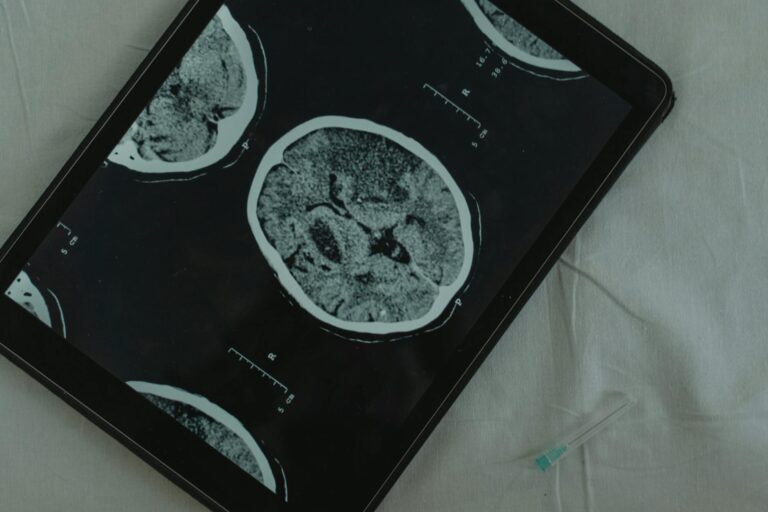
Flexibility training plays a crucial role in maintaining both joint health and brain function by enhancing the body’s range of motion, reducing stiffness, and promoting better communication between muscles and the nervous system. When you regularly engage in flexibility exercises—such as stretching or yoga—you help your joints move more freely, which prevents wear and tear that can lead to pain or injury. At the same time, these movements stimulate your brain by requiring coordination, balance, and focus, which keeps neural pathways active and supports cognitive health.
Joints rely on muscles that surround them to stay flexible; when muscles are tight or shortened due to inactivity or aging, joints become stiff and less mobile. Flexibility training gently elongates these muscles so they can support joint movement without restriction. This improved mobility reduces discomfort during everyday activities like walking or reaching for objects. It also lowers the risk of injuries because flexible muscles absorb shocks better than tight ones do.
Beyond physical benefits for joints, flexibility exercises have a profound impact on mental well-being. Stretching activates the parasympathetic nervous system—the part responsible for relaxation—which helps reduce stress hormones like cortisol. This calming effect not only improves mood but also enhances sleep quality and lowers anxiety levels. The mindful aspect of many flexibility routines encourages letting go of stored tension held in different parts of the body—whether it’s grief felt in the chest or fear held in the hips—leading to emotional release alongside physical relief.
The connection between flexibility training and brain function is further strengthened through neuro-muscular engagement during movement practice. Coordinating stretches requires your brain to send precise signals to various muscle groups while simultaneously processing sensory feedback about position and balance. This ongoing dialogue between mind and body sharpens reaction times, improves balance control, and boosts overall motor skills—all essential components for healthy aging.
For older adults especially, maintaining flexibility is key because natural aging processes tend to reduce joint range of motion as well as cognitive sharpness over time. Regularly practicing gentle stretching routines slows down this decline by preserving muscle elasticity around joints while stimulating neural circuits involved with movement planning and execution.
Incorporating simple daily stretches into your routine can be transformative: just 10 minutes per day has been shown to improve mood states such as vitality while decreasing feelings of exhaustion or anxiety—even among people who are otherwise physically inactive.
Flexibility training also complements other forms of exercise aimed at strengthening cognition such as aerobic workouts or neuro-muscular drills that challenge cross-body coordination (like balancing on one leg while moving arms). Together these practices create a holistic approach where physical agility supports mental agility—and vice versa—helping individuals maintain independence longer into their later years.
Overall, keeping your body limber through consistent flexibility work nurtures healthy joints capable of smooth movement without pain while simultaneously engaging your brain’s ability to coordinate complex actions efficiently under changing conditions—a powerful combination that sustains both physical freedom and mental clarity throughout life’s stages.