Families sharing care can build a support plan for Parkinson's disease dementia by assigning shared jobs for medicines, routines, behavior support, and safety checks. Parkinson's disease dementia means major thinking decline after a year or more of motor symptoms, and the Parkinson's Foundation centers care on those jobs plus checks for driving, money, and communication in its dementia guide. The Parkinson's Foundation lists memory loss, confusion, slowed thinking, mood shifts, hallucinations, delusions, and trouble with visual and language tasks. These changes can impair daily tasks and raise stress for care partners, so the plan must spread the load early.
Medical information disclaimer: This article is for general educational purposes only and does not provide medical advice, diagnosis, or treatment. Always consult a physician or other qualified health professional about symptoms, medications, tests, or treatment decisions.
Table of Contents
- What changes should the plan cover?
- How can relatives divide the work?
- What steadies the home day to day?
- When to seek prompt help and backup?
What changes should the plan cover?
Think in three groups: thinking, behavior, and daily function. Thinking shifts include forgetfulness, confusion, and slower processing. Behavior shifts can include mood changes, seeing things that are not there, false beliefs, and trouble judging visual space or finding words. The same plan must track safety.
The Parkinson's Foundation points families to medicines, thinking and behavior strategies, steady routines, and close checks on driving, medicine use, money, and communication needs. Start from what the day requires. Note who eats, dresses, bathes, cooks, drives, pays bills, and takes pills without reminders. Assign backup for each task before a crisis forces the choice.
How can relatives divide the work?
Give each task one owner and one backup. Keep duties small enough to hold for weeks. Review the list together each week.
Write the schedule where all can see it. Use a shared calendar, group text, or one notebook by the pills. Swap jobs when fatigue builds rather than waiting for conflict.
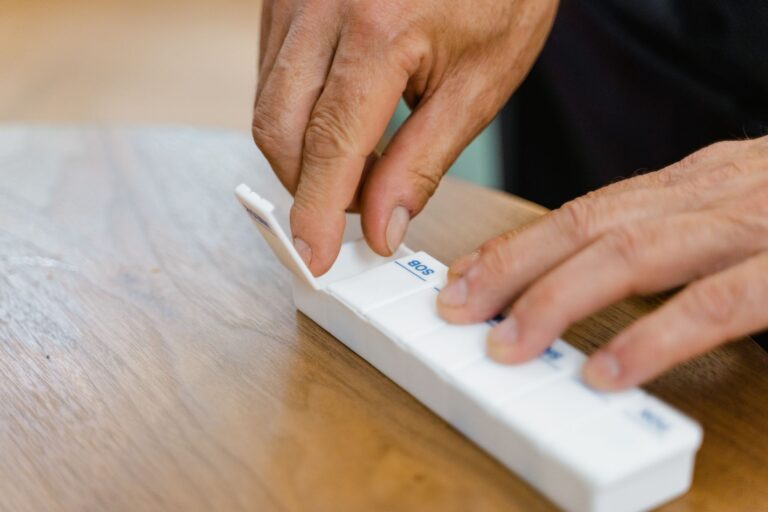
- medicines: refill, pillbox, side-effect notes, pharmacy calls
- routines: meals, sleep, walks, appointments, daily check-in
- thinking support: cues, calendars, simple step-by-step prompts
- safety checks: driving, money activity, medicine use, phone and door habits
- communication: updates to family, notes for clinic visits
What steadies the home day to day?
Keep days predictable. The Parkinson's Foundation advises a regular routine, decluttered rooms, low nighttime light to reduce misperceptions, and clear cues for memory and orientation in its care-partner guide on thinking changes. Small cues carry much of the work. Say one step at a time.
Offer choices in pairs. Keep paths clear, keep often-used items in fixed spots, and leave a low light on at night. Match help to the moment. Step in for unsafe steps such as stairs, stoves, or pills. Stay nearby but hands-off for safe steps the person can still do.
When to seek prompt help and backup?
Treat sudden change as a warning. The Parkinson's Foundation cautions that sudden thinking or behavior shifts are uncommon in Parkinson's and need prompt review for infection, such as urinary-tract infection, or medicine side effects, since some shifts reverse with treatment. Line up relief before burnout.
The Administration for Community Living lists short-term respite through the Eldercare Locator at 1-800-677-1116, the ARCH National Respite Network locator, and federal programs including the National Family Caregiver Support Program and Lifespan Respite Care Program in its 2015 respite post. For planning help, the Alzheimer's Association says its 24/7 Helpline at 1-800-272-3900 advises on care planning, finding providers, respite and funding, caregiver stress, safety, and legal-financial planning in its helpline resource page. Save 1-800-272-3900 and 1-800-677-1116 where every helper can find them.