Poor oral health contributes to Alzheimer’s disease through several interconnected biological pathways, most notably via chronic inflammation and the direct invasion of oral bacteria into brain tissue. Research has established that Porphyromonas gingivalis, the primary bacterium responsible for gum disease, has been detected in the brains of Alzheimer’s patients at significantly higher rates than in healthy controls. A 2019 study published in Science Advances found P. gingivalis DNA and its toxic enzymes — called gingipains — in the brain tissue of 96 percent of Alzheimer’s patients examined, providing some of the strongest evidence yet of a direct microbial link.
This article also covers the inflammatory mechanisms involved, what the research does and does not prove, and what practical steps may reduce oral-health-related dementia risk. The relationship is not simply correlational. Scientists have identified at least three distinct mechanisms by which oral disease may trigger or accelerate Alzheimer’s pathology: systemic inflammation driven by periodontal bacteria, direct bacterial migration through cranial nerves or the bloodstream, and the disruption of the gut-brain axis by oral microbiome imbalances. While the causal picture is still being refined, the convergence of evidence across multiple research groups has shifted scientific consensus from skepticism toward serious concern.
Table of Contents
- How Does Gum Disease Bacteria Reach the Brain and Trigger Alzheimer’s Pathology?
- What Role Does Chronic Inflammation Play in the Oral Health–Alzheimer’s Link?
- Is There Evidence That Tooth Loss Predicts Cognitive Decline?
- What Oral Health Practices May Reduce Alzheimer’s Risk?
- What Are the Limitations of Current Research on Oral Health and Alzheimer’s?
- What Is the Connection Between the Oral Microbiome and the Gut-Brain Axis?
- Where Is This Research Heading?
- Conclusion
- Frequently Asked Questions
How Does Gum Disease Bacteria Reach the Brain and Trigger Alzheimer’s Pathology?
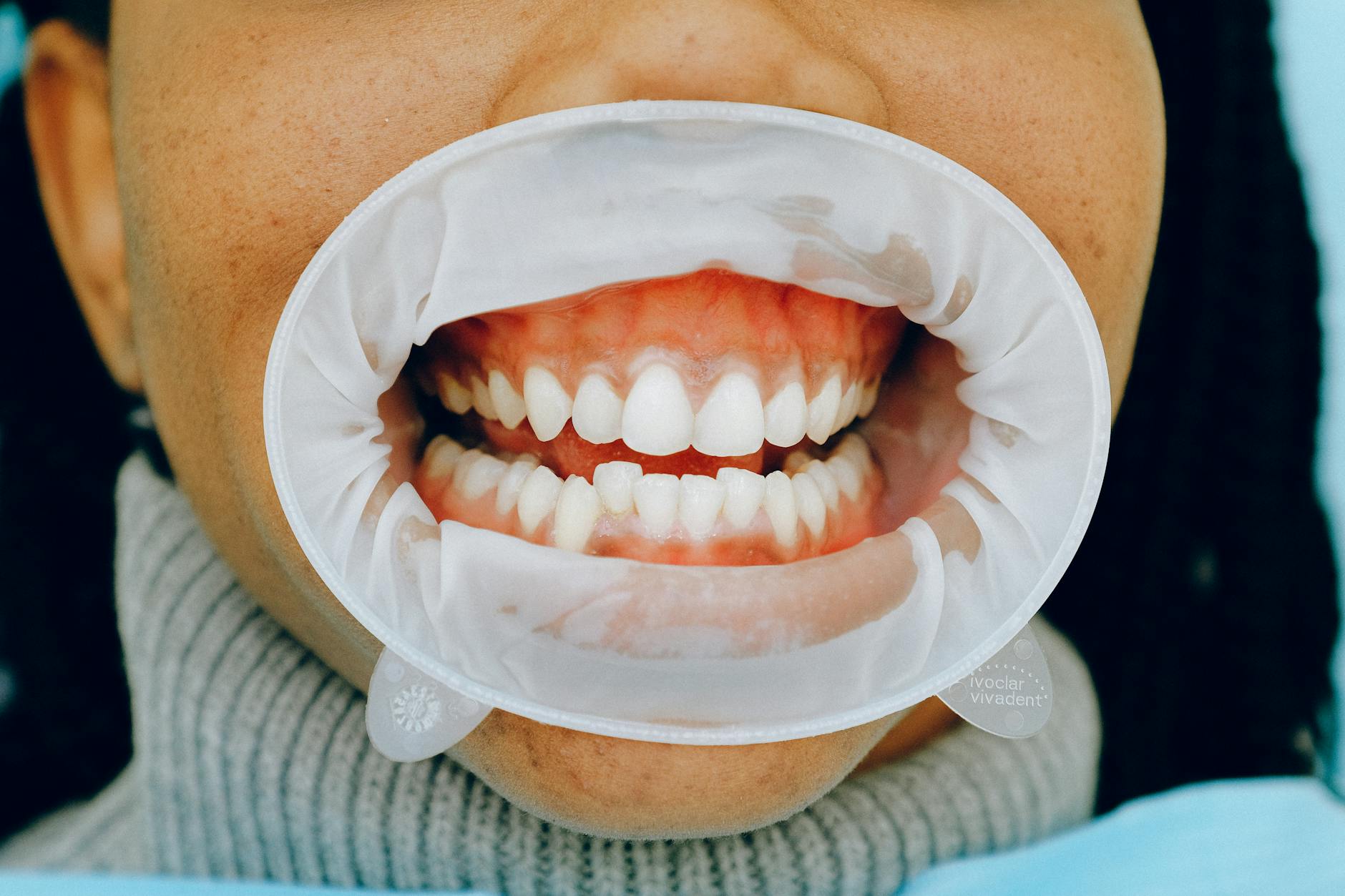
The mouth is not an isolated environment. The gum tissue surrounding teeth is richly vascularized, and in a person with periodontitis, the gum barrier is compromised — allowing bacteria and their byproducts to enter the bloodstream multiple times daily, including during routine activities like chewing and toothbrushing. Once in circulation, P. gingivalis and other periodontal pathogens can breach the blood-brain barrier, particularly when that barrier has already been weakened by age or other inflammatory processes. Once inside brain tissue, P.
gingivalis releases gingipains — protease enzymes that degrade proteins critical to neuronal function. These enzymes have been shown in animal models to trigger the accumulation of amyloid beta, the protein that forms the plaques characteristic of Alzheimer’s disease. In a notable experiment, mice infected orally with P. gingivalis over several weeks developed brain colonization and increased amyloid beta production. This mimics, at least partially, the early-stage pathology seen in human Alzheimer’s cases. Compared to other proposed triggers such as herpesvirus or environmental toxins, the gingipain-gum disease pathway currently has among the most specific mechanistic evidence behind it.
What Role Does Chronic Inflammation Play in the Oral Health–Alzheimer’s Link?
chronic low-grade inflammation is now considered one of the central drivers of neurodegeneration, and periodontal disease is one of the most sustained sources of systemic inflammation in the general population. When the gums are infected, the immune system releases pro-inflammatory cytokines — proteins like interleukin-6 and tumor necrosis factor-alpha — that circulate through the body and can cross into brain tissue. In the brain, these signals activate microglia, the immune cells responsible for clearing debris, but when chronically overactivated, microglia begin damaging neurons rather than protecting them.
This inflammation-based pathway matters because it means you do not necessarily need bacteria in the brain itself to cause harm. Even in people whose immune systems successfully contain oral bacteria within the mouth, decades of elevated systemic inflammation from untreated gum disease may be enough to accelerate amyloid buildup and cognitive decline. However, it is important to note that chronic inflammation has many sources — obesity, cardiovascular disease, autoimmune conditions — and oral disease is one contributor among several. A person with excellent oral health who has severe metabolic inflammation may still face elevated dementia risk, which means dental hygiene alone is not a complete solution to Alzheimer’s prevention.
Is There Evidence That Tooth Loss Predicts Cognitive Decline?
Several large epidemiological studies have found that tooth loss — which is typically the endpoint of severe untreated periodontal or dental decay — is associated with higher rates of dementia and faster cognitive decline. A 2021 meta-analysis published in the Journal of the American Medical Association — Neurology, pooling data from nearly 35,000 adults, found that each additional tooth lost was associated with a 1.4 percent increase in dementia risk, with edentulous adults (those with no natural teeth) showing approximately 48 percent higher dementia risk compared to those who retained most of their teeth. The association persists even after controlling for socioeconomic factors, smoking, diabetes, and cardiovascular disease — all of which independently raise both tooth loss and dementia risk.
This is important because it addresses the most common objection: that the relationship is purely confounded by shared lifestyle factors. A concrete example comes from Japan’s national aging study, which tracked roughly 4,400 older adults over four years and found that those with fewer remaining teeth had measurably worse hippocampal-dependent memory tasks at follow-up, with brain imaging showing accelerated hippocampal atrophy. The hippocampus is the first region typically damaged by Alzheimer’s disease.
What Oral Health Practices May Reduce Alzheimer’s Risk?
The practical implications of this research are straightforward in concept, though they require long-term consistency to be meaningful. Regular mechanical removal of dental plaque — through twice-daily brushing with fluoride toothpaste and daily flossing or interdental cleaning — remains the foundation of periodontal disease prevention. Professional dental cleaning every six months allows early gum disease to be identified and reversed before it becomes chronic. For adults already diagnosed with periodontitis, more frequent professional cleanings and sometimes antibiotic or antimicrobial treatments are indicated. The tradeoff worth acknowledging here is between treatment aggressiveness and patient adherence.
Some periodontists recommend quarterly professional cleanings for patients with moderate to severe gum disease, but the cost and time burden reduces compliance significantly. A middle path supported by evidence is biannual professional cleaning combined with daily use of antibacterial mouth rinse — studies comparing this combination to quarterly cleanings show roughly comparable inflammatory marker reductions in most patients. The comparison matters because the “perfect” protocol is useless if a patient abandons it within six months. There is also emerging interest in targeting P. gingivalis specifically with gingipain inhibitors; at least one compound, COR388 (now called atuzaginstat), entered Phase 2/3 clinical trials for Alzheimer’s specifically because of this mechanism, representing the clearest example of oral-health science directly informing drug development.
What Are the Limitations of Current Research on Oral Health and Alzheimer’s?
The most important limitation to acknowledge is that the relationship remains associational in human populations. No randomized controlled trial has yet demonstrated that treating periodontal disease in humans reduces the incidence of Alzheimer’s disease. The trials that would answer this definitively — following thousands of people with gum disease over 15 to 20 years, randomly assigning treatment — are logistically and ethically complex, and results are years away. The animal model data, while compelling, does not always translate cleanly to human disease.
A second limitation involves the directionality of causation. Alzheimer’s disease itself, particularly in its early pre-symptomatic stages, may cause declining oral hygiene before any clinical symptoms appear — meaning worsening dental health in older adults might sometimes be a consequence of neurodegeneration rather than a cause. People in cognitive decline often struggle with the coordination and habit consistency required for brushing and flossing, visit dentists less frequently, and are less able to manage dental pain, leading to rapid dental deterioration. This reverse causation effect makes it genuinely difficult to interpret cross-sectional data in older populations. Researchers are increasingly using genetic risk scores and life-course longitudinal data to try to separate these directions, but the field has not fully resolved the question.

What Is the Connection Between the Oral Microbiome and the Gut-Brain Axis?
A newer line of research suggests that beyond direct bacterial invasion and systemic inflammation, the oral microbiome affects Alzheimer’s risk by altering the gut microbiome. A significant portion of oral bacteria are swallowed daily, and disruptions to the oral microbial community — as occur with periodontitis — have been shown to shift the composition of gut bacteria in ways that increase intestinal permeability and neuroinflammatory signaling via the vagus nerve.
This gut-brain axis connection is still early-stage research, but it offers a third independent mechanism by which oral disease could influence dementia risk. A 2022 study from King’s College London found that individuals with Alzheimer’s had distinct oral bacterial profiles compared to matched controls, with enrichment of several periodontal pathogens — suggesting the oral microbiome signature itself may eventually become a biomarker for dementia risk assessment.
Where Is This Research Heading?
The oral health–Alzheimer’s connection is moving from epidemiological curiosity to active therapeutic target. The clinical trial of atuzaginstat, Cortexyme’s gingipain inhibitor, represents a direct test of whether blocking a specific oral bacterium’s toxins can slow Alzheimer’s progression — a genuinely novel approach to a disease that has defeated dozens of other drug candidates.
Separately, researchers are exploring whether early and aggressive treatment of periodontal disease in middle-aged adults could become a formal component of dementia prevention guidelines, much the way cardiovascular risk management has been incorporated. The next decade of research will likely clarify whether dental care belongs in the same category as blood pressure control and exercise as a modifiable Alzheimer’s risk factor.
Conclusion
The evidence connecting poor oral health to Alzheimer’s disease has grown substantially over the past decade, moving well beyond coincidence into biologically plausible mechanisms. P. gingivalis and its gingipain enzymes can colonize brain tissue and trigger amyloid accumulation. Chronic gum disease sustains systemic inflammation that damages neurons over years. Tooth loss in epidemiological studies predicts cognitive decline even after controlling for confounders.
Each of these threads points in the same direction. The practical takeaway does not require waiting for clinical trial confirmation. Maintaining good periodontal health is already justified for cardiovascular, metabolic, and quality-of-life reasons, and the emerging neurological data strengthens the case further. Adults in their 40s and 50s — the window during which Alzheimer’s pathology is thought to begin, long before any symptoms — have the most to gain from treating gum disease aggressively and consistently. Dental health is no longer just about teeth.
Frequently Asked Questions
Can brushing your teeth actually reduce Alzheimer’s risk?
Brushing reduces the bacterial load responsible for gum disease, which is linked to Alzheimer’s through inflammation and bacterial brain invasion. No trial has proven it prevents dementia directly, but the biological rationale is strong enough that it is a sensible precaution alongside other brain health measures.
How does P. gingivalis get from the mouth to the brain?
The bacterium can enter the bloodstream through inflamed gum tissue and then cross the blood-brain barrier, which becomes more permeable with age. It may also travel via cranial nerves that connect the mouth to brain regions affected early in Alzheimer’s.
Is Alzheimer’s risk from gum disease reversible if you treat the gum disease?
Treating periodontitis reduces systemic inflammation relatively quickly — within weeks to months. Whether that reduction translates to lower long-term dementia risk is not yet proven, but the inflammatory burden being removed is the same kind that drives neurodegeneration.
Does having dentures eliminate the oral health risk for Alzheimer’s?
Not entirely. Even with full dentures, inflammation from ill-fitting prosthetics, residual gum tissue disease, or altered oral microbiomes can continue. However, severe tooth loss itself may reflect decades of prior periodontal disease whose inflammatory damage has already occurred.
Are people with Alzheimer’s more likely to have poor oral health?
Yes, and this complicates the research. Cognitive decline makes oral hygiene harder to maintain and dental appointments more difficult to keep, so poor oral health in Alzheimer’s patients may be partly a consequence of the disease, not only a contributing cause.