Doctors diagnose SI joint pain through a systematic approach that combines physical examination, provocative tests, and diagnostic injections. Unlike some back conditions that can be identified by a single test or imaging finding, sacroiliac joint dysfunction typically requires multiple confirmatory findings before a diagnosis is made. For example, a patient experiencing sharp pain in the lower back and buttock area might undergo a series of in-office tests where the doctor applies pressure or moves the leg in specific ways to reproduce the pain pattern.
This comprehensive diagnostic process is necessary because SI joint pain can mimic other spinal conditions, and making an accurate diagnosis directly affects treatment outcomes. The good news for patients is that doctors have reliable diagnostic tools at their disposal, with research showing that when three or more provocative tests return positive results, the diagnosis becomes highly accurate. This article covers the key diagnostic methods doctors use—from the physical maneuvers performed in the clinic to advanced imaging and the gold-standard diagnostic injection. Understanding how these tests work helps patients know what to expect during their evaluation and why their doctor may recommend multiple assessments rather than relying on a single test or scan.
Table of Contents
- What Physical Provocative Tests Reveal About SI Joint Pain
- Why Three Positive Tests Matter: The Diagnostic Threshold
- Imaging Studies: What X-rays, CT Scans, and MRI Can Show
- Diagnostic Injections: The Gold Standard for Confirmation
- Initial Assessment: Medical History and Physical Examination
- Distinguishing SI Joint Pain From Similar Conditions
- Specialist Referral and When to Seek Advanced Diagnosis
- Conclusion
What Physical Provocative Tests Reveal About SI Joint Pain
Physical examination is where SI joint pain diagnosis typically begins. A physician starts by taking a detailed medical history, observing how a patient walks, and feeling the sacroiliac joint area with their hands to assess for tenderness or misalignment. However, palpation alone isn’t specific enough to confirm SI joint dysfunction. The definitive step comes through provocative tests—specific maneuvers designed to stress the SI joint and reproduce the pain pattern the patient describes.
The most commonly used tests include the FABER test (also called Patrick’s test), where the patient’s leg is positioned in a figure-four pattern to stress the joint; the Gaenslen test, which involves extending one leg off the examination table while the other knee is pulled toward the chest; the thigh thrust test, which applies a quick downward force through the femur; the compression test, which applies inward pressure on the pelvis; and the distraction test, which gently pulls the pelvis apart. Research from the American Academy of Family Physicians has established that these tests achieve 91% sensitivity and 78% specificity when at least three positive tests are present—meaning that when three or more tests reproduce a patient’s pain, there’s a very high likelihood the SI joint is the actual source of the problem. One particularly useful test is the Fortin Finger Test, where patients simply point to where they feel pain. If the pain location is within one centimeter of the posterior superior iliac spine (the prominent bone you can feel in your lower back), this strongly suggests SI joint involvement rather than other spinal structures. This test is valuable because it requires no special equipment and can be performed during any visit, yet it provides meaningful diagnostic information.

Why Three Positive Tests Matter: The Diagnostic Threshold
The “3 or more tests” standard didn’t emerge arbitrarily—it comes from decades of clinical research comparing patient outcomes against different diagnostic thresholds. When doctors find only one positive provocative test, it could indicate general musculoskeletal sensitivity or pain referred from another structure. Two positive tests increase suspicion but still lack sufficient confidence for a definitive diagnosis. However, when three or more tests independently reproduce the patient’s characteristic pain pattern, the probability that the SI joint is actually causing the problem jumps dramatically. This diagnostic approach represents an important balance in medicine. On one hand, clinicians want to identify the true pain source quickly so patients can begin appropriate treatment.
On the other hand, misidentifying the pain source leads to ineffective treatment, prolonged suffering, and unnecessary procedures. The 91% sensitivity achieved with three positive tests means that in about nine out of ten cases where this threshold is met, the SI joint is genuinely involved. The 78% specificity means the tests are good at excluding cases where the problem lies elsewhere. However, this threshold isn’t foolproof in every situation. Some patients have anatomical variations, previous injuries, or generalized pain conditions that make the tests harder to interpret reliably. Patients with fibromyalgia or widespread musculoskeletal pain may show multiple positive tests even when the SI joint isn’t the primary problem. This is why experienced clinicians combine the test results with the patient’s history, imaging findings, and response patterns to form a complete diagnostic picture rather than relying on the test count alone.
Imaging Studies: What X-rays, CT Scans, and MRI Can Show
Imaging plays a supporting but important role in SI joint diagnosis. X-rays, CT scans, and MRI can all reveal structural abnormalities—joint misalignment, osteoarthritis changes, degenerative disc disease, or previous injuries affecting the SI joint. When a patient has undergone physical examination and the clinical findings suggest SI joint involvement, imaging helps confirm whether structural changes support this diagnosis or reveal alternative explanations for the pain. CT scans and MRI provide significantly more detailed images than standard X-rays, making them particularly valuable when doctors need to assess soft tissue involvement, inflammation, or subtle bone changes. MRI is particularly good at showing inflammation in the joint and surrounding ligaments, while CT scans excel at detecting bone abnormalities and are faster to obtain.
A patient with SI joint pain and significant arthritis visible on imaging, for instance, has additional confirmation that the joint is genuinely problematic and not just incidentally present. Yet imaging has an important limitation: structural changes don’t always correlate with pain. A patient might have visible SI joint arthritis on an MRI but feel no pain, while another patient with normal-appearing imaging on CT scan experiences severe SI joint pain. This disconnect between imaging findings and clinical symptoms is one reason why imaging alone cannot diagnose SI joint pain—it must be integrated with physical examination findings and the patient’s actual symptoms. Doctors who order imaging without positive provocative tests and clinical correlation risk misdiagnosing asymptomatic structural changes as the cause of pain, potentially leading patients down unnecessary treatment paths.

Diagnostic Injections: The Gold Standard for Confirmation
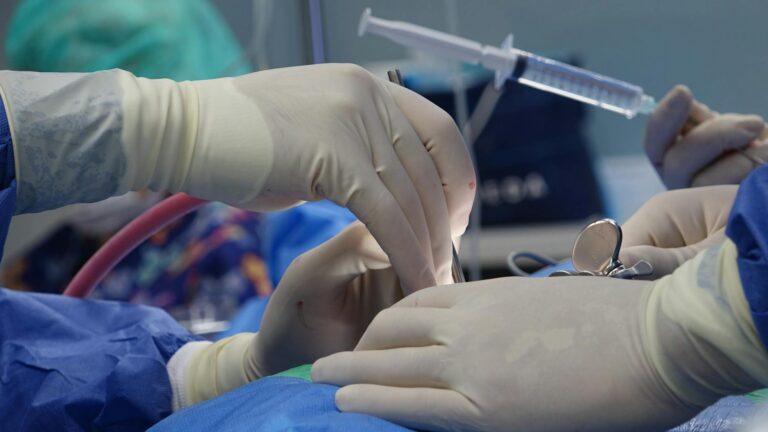
When physical examination and imaging leave uncertainty, or when doctors want absolute confirmation before recommending invasive treatment, diagnostic SI joint injections represent the gold standard. In this procedure, guided by either X-ray or ultrasound imaging, a physician injects a small amount of numbing medication directly into the SI joint space. The injection itself requires precise needle placement, which is why imaging guidance has become standard practice—it ensures the medication reaches the actual joint rather than surrounding tissues. The beauty of a diagnostic injection lies in its simplicity: if the SI joint is truly the pain source, the numbing medication will reduce or eliminate pain for approximately one to two hours. A positive result—defined as greater than 50% pain relief during this window—confirms that the SI joint is genuinely causing the pain.
This immediate feedback is far more definitive than any physical test or imaging study. For example, a patient might have three positive provocative tests and visible arthritis on MRI, but if a diagnostic injection provides minimal relief, doctors know the SI joint isn’t the primary pain generator and should pursue other investigations. This test does carry a small limitation: some patients experience immediate pain relief that’s partially attributable to the anesthetic effect of the injected medication before it’s had time to numb the joint structures thoroughly, potentially creating false-positive results. Additionally, patients with severe inflammation or extremely irritable joints might not respond as expected to a single injection. Despite these minor caveats, when performed by experienced physicians with proper imaging guidance, SI joint diagnostic injections provide clarity that other tests cannot match, which is why orthopedic and pain specialists rely on them before recommending SI joint fusion surgery or other definitive treatments.
Initial Assessment: Medical History and Physical Examination
Before any specialized testing occurs, the diagnostic process begins with a thorough conversation and basic physical examination. Doctors ask patients about the location of pain (often described as low back, buttock, or hip area), what activities make it worse (like sitting asymmetrically, climbing stairs, or prolonged standing on one leg), and what provides relief. They ask about previous injuries, whether the pain started gradually or after a specific incident, and how long it has persisted. This history guides everything that follows—if a patient describes pain that worsens when standing on one leg or crossing the legs, SI joint involvement becomes more likely. The physical examination begins with observation of how a patient walks and stands. A physician looks for asymmetrical weight-bearing, visible hip drop on one side, or other gait abnormalities suggesting SI joint dysfunction.
They palpate the SI joint area by feeling for tenderness, checking for alignment of the bony landmarks, and assessing muscle tension in surrounding structures. They may also test the patient’s hip flexibility and strength, as hip muscle imbalances often contribute to SI joint pain. All of this information—history, gait observation, palpation, and flexibility testing—forms the foundation upon which the more specialized provocative tests and imaging decisions are built. A common limitation in initial assessment is that SI joint pain can be referred from other sources or can coexist with other conditions. A patient with hip osteoarthritis and SI joint dysfunction might report hip pain that actually stems from both conditions, making it difficult to separate which structure is causing what symptoms. This is why experienced clinicians resist the temptation to diagnose based solely on the patient’s description of pain location. Instead, they use the physical examination findings to form hypotheses that are then tested through provocative maneuvers and, if necessary, diagnostic imaging.

Distinguishing SI Joint Pain From Similar Conditions
One of the diagnostic challenges doctors face is that SI joint pain often mimics or coexists with other lower back and hip conditions. Lumbar facet joint pain, hip osteoarthritis, piriformis syndrome (a muscular condition affecting the hip), and sacroiliac ligament strain can all produce pain in similar locations. The Fortin Finger Test helps with this distinction—when a patient points precisely to pain over the posterior superior iliac spine, it strongly suggests SI joint involvement rather than lumbar spine or more centralized back pain. However, when pain is diffuse or located slightly differently, additional testing becomes necessary.
Doctors also must consider whether SI joint pain is primary (the joint itself is dysfunctional) or secondary (the joint is painful because of hip weakness, previous pelvic fracture, or other underlying mechanical problems). This distinction matters for treatment—a patient with primary SI joint arthritis may benefit from different management than one whose SI joint pain stems from severe hip muscle weakness. The diagnostic process therefore extends beyond simply confirming that the SI joint hurts; it also involves understanding why it hurts and what factors perpetuate the problem. This is another reason why comprehensive evaluation—combining history, physical examination, imaging, and sometimes diagnostic injection—yields better outcomes than any single test in isolation.
Specialist Referral and When to Seek Advanced Diagnosis
Many patients initially see their primary care physician or chiropractor for back pain, and some diagnoses of SI joint pain are made at this level. However, when initial treatment doesn’t resolve the pain or when diagnostic uncertainty persists after basic evaluation, referral to a specialist becomes appropriate. Physiatrists (doctors specializing in physical medicine and rehabilitation), orthopedic surgeons, and pain management specialists have expertise in performing the full diagnostic battery, including fluoroscopy-guided injections and advanced imaging interpretation. These specialists also have access to a broader range of treatment options, from conservative approaches to more interventional procedures if needed.
The diagnostic process doesn’t end once a diagnosis is established. Doctors should periodically reassess whether the diagnosis remains accurate as treatment progresses. A patient who doesn’t improve with SI joint-focused therapy might benefit from repeat diagnostic injection to confirm the diagnosis, or might require imaging or testing for alternative conditions. This adaptive diagnostic approach—being willing to reconsider and reassess—reflects best clinical practice and helps ensure patients receive appropriate treatment for their actual problem rather than pursuing interventions based on an initial diagnosis that may have been incorrect or incomplete.
Conclusion
Diagnosing SI joint pain requires a methodical approach that combines clinical examination, provocative testing, imaging, and sometimes diagnostic injection. The single most important diagnostic principle is that three or more positive provocative tests provide strong evidence of SI joint involvement, with published research supporting 91% sensitivity in this scenario. However, no single test or imaging study tells the complete story—doctors integrate multiple pieces of information to reach a confident diagnosis.
Patients undergoing evaluation for SI joint pain should expect a thorough history, physical examination including multiple specific maneuvers, and potentially imaging studies. Those whose findings suggest SI joint pain but whose diagnosis remains uncertain may be candidates for diagnostic SI joint injection, which provides definitive confirmation by demonstrating whether numbing the joint reduces their pain. Understanding how doctors approach diagnosis helps patients prepare for their evaluation and recognize whether their workup has been thorough and appropriate.