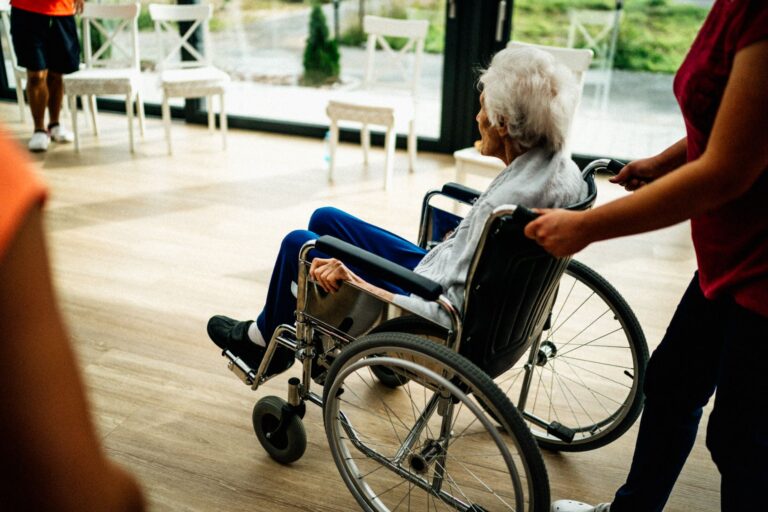
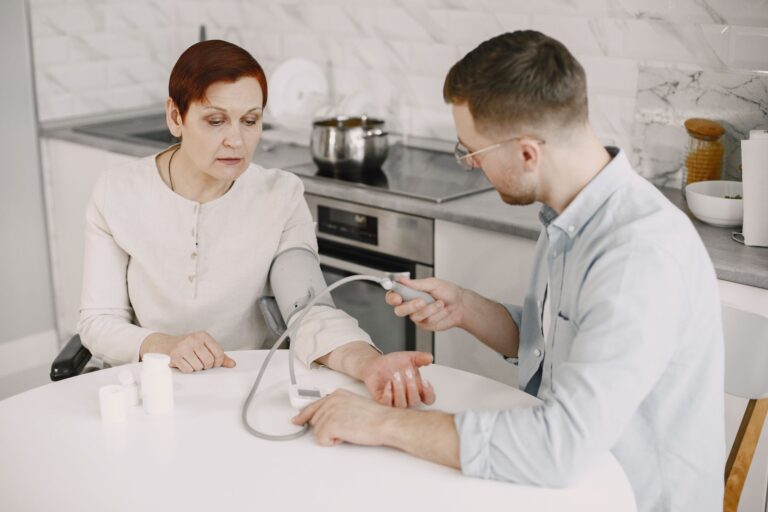
Caregivers build a comprehensive guide by pairing dementia-specific indoor safeguards with winter-specific outdoor routines and daily health checks. The guide works because it compensates for poor judgment and depth perception while removing ice, clutter, and lighting hazards.
Dementia means ongoing decline in memory, thinking, and judgment that impairs daily function. Winter adds slippery surfaces, dim light, and cold stress. The Centers for Disease Control and Prevention reports falls caused over 43,000 deaths and 4.5 million emergency visits among adults age 65 and older in 2024 older-adult fall data.
Medical information disclaimer: This article is for general educational purposes only and does not provide medical advice, diagnosis, or treatment. Always consult a physician or other qualified health professional about symptoms, medications, tests, or treatment decisions.
Table of Contents
- Why does winter raise risk for dementia patients?
- What should caregivers fix indoors?
- How can caregivers make outdoor trips safer?
- What daily checks complete the plan?
Why does winter raise risk for dementia patients?
People with Alzheimer's face higher fall risk because dementia can impair depth perception and judgment of distance. That makes curbs, steps, wet tile, and icy patches harder to read. Winter shortens daylight and hides hazards under snow or glare.
The National Institute on Aging warns winter hazards for older adults include falls on wintry surfaces plus frostbite and hypothermia. Cold can stiffen muscles, reduce attention, and rush trips outside. Confusion may also lead a person to wander without a coat, hat, or safe shoes.
What should caregivers fix indoors?
The National Institute on Aging recommends handrails on both sides of all stairs, kept secure, plus grab bars near toilets and inside and outside the tub and shower. It also advises better lighting and keeping often-used items within easy reach without climbing room-by-room fall prevention guide. These changes reduce reaching, bending, and nighttime navigation.
The National Institute on Aging's Alzheimer's caregiving guidance adds dementia-specific steps: clear clutter, remove throw rugs, use chairs with arms, improve lighting, and ensure sturdy shoes with good traction. The U.S. Department of Veterans Affairs dementia checklist echoes this approach with nonskid rugs, decluttered floors, and tucked cords.
- Install sturdy bathroom handrails and add a waterproof shower stool with handheld shower
- Use nonskid rugs, remove throw rugs, and keep cords off walking paths
- Gate stairs if needed and place support chairs with arms where dressing occurs
- Have the person wear supportive slippers or shoes indoors, not socks alone
How can caregivers make outdoor trips safer?
The National Institute on Aging advises nonskid, rubber-soled, low-heeled footwear, ice-melt or sand on walkways, railings on stairs and walkways, and avoiding snow shoveling when possible cold-weather safety guidance. Caregivers should pretreat steps, test traction before the patient walks, and hold an arm on stairs and slopes.
Limit trips to daylight when glare, ice, and fatigue are easier to see. Plan short routes with railings, benches, and indoor rest stops. Carry a phone, keep hands free of bags, and turn back if wind, snow, or wet shoes reduce control.
What daily checks complete the plan?
The Alzheimer's Association advises proper footwear, good lighting in halls, bathrooms, and stairways, and commonly used items on lower shelves. It also advises regular vision checks and asking a doctor about medication side effects. Drowsiness, dizziness, and blurred vision can turn a small slip into a serious fall. Keep home heat at least 68°F because the National Institute on Aging warns even a 60–65°F home can cause hypothermia.
Check room temperature, blankets, and winter clothing during cold snaps. Watch for shivering, pale skin, confusion, or unusual sleepiness and seek care promptly. Even careful programs cannot remove all risk because vision, reflex, muscle weakness, balance, foot problems, and medication-related dizziness persist. The National Institute on Aging notes researchers are still testing strategies after one tailored intervention proved no better than usual care. Review the plan after every slip, near-fall, illness, or medication change.