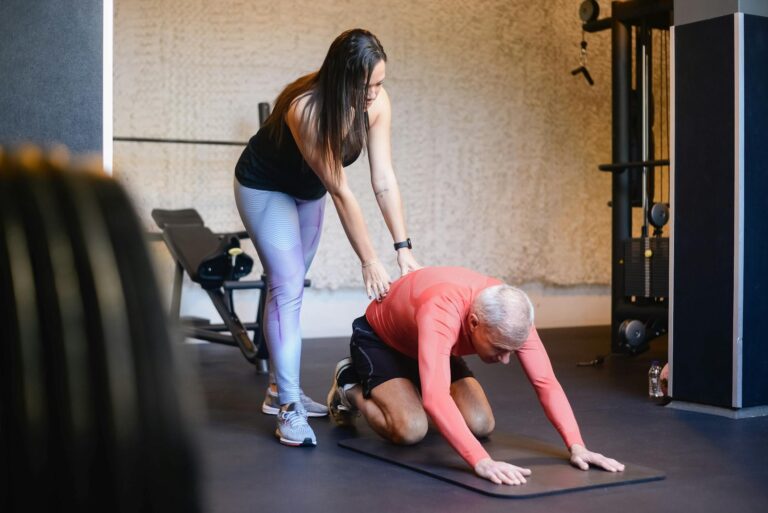
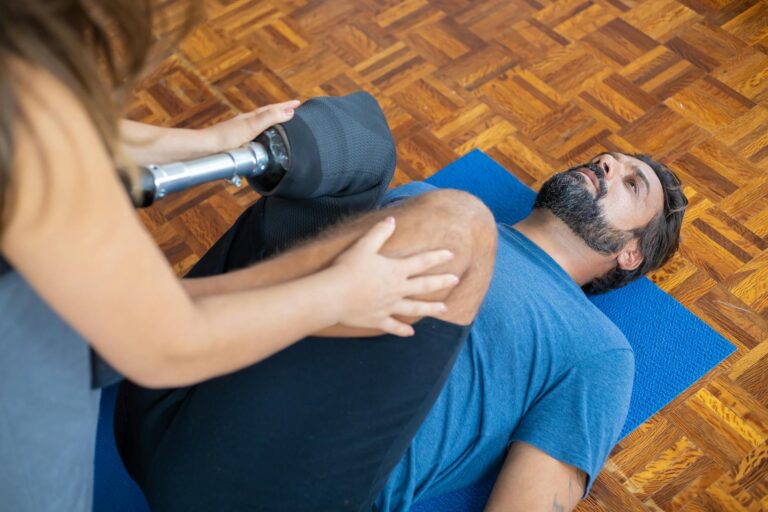
Core weakness is a significant contributor to sacroiliac joint pain because the deep stabilizing muscles of the abdomen and lower back are responsible for keeping the sacroiliac joint (SI joint) properly aligned and stable during movement. When these muscles are weak or underactive, the SI joint experiences excess stress, instability, and abnormal compression, leading to pain and dysfunction.
Research shows that SI joint dysfunction accounts for 15-30% of mechanical low back pain cases, and in many of these instances, weak core and gluteal muscles are a primary culprit. For example, someone who spends eight hours daily at a desk may develop weak core stabilizers, which then causes their SI joint to shift excessively when they stand, walk, or bend—resulting in the sharp, localized pain just above the buttocks that many people mistake for lower back pain. This article explains the biomechanical relationship between core weakness and SI joint pain, explores how the SI joint works, reviews evidence-based treatment options, and provides practical guidance on strengthening exercises that can help resolve the problem.
Table of Contents
- What Is the Sacroiliac Joint and How Does Core Weakness Destabilize It?
- How Does Core Muscle Weakness Cause Sacroiliac Joint Instability and Pain?
- What Does the Research Say About Core Strengthening for SI Joint Pain?
- What Is the Recommended Treatment Approach for SI Joint Pain from Core Weakness?
- What Common Mistakes Do People Make When Addressing Core Weakness and SI Joint Pain?
- How Should You Progress Your Core Strengthening Program?
- Why Address SI Joint Pain from Core Weakness Rather Than Seek Injections?
- Conclusion
What Is the Sacroiliac Joint and How Does Core Weakness Destabilize It?
The sacroiliac joint is a small but critical joint located where your sacrum (the base of the spine) connects to your pelvis on each side. Unlike the spine, which has many moveable joints, the SI joint is designed for stability rather than mobility—it should move only a few millimeters in normal function. The joint is held in place by a network of ligaments and muscles, including the core stabilizers (transverse abdominis, multifidus, and pelvic floor) and the gluteal muscles (particularly the gluteus maximus and medius). When these muscles are weak or don’t fire properly, the SI joint loses its dynamic stability, forcing the ligaments to work harder to keep the joint from shifting. This overwork on the ligaments causes inflammation, irritation, and pain.
Additionally, weak core stabilizers allow increased axial compression through the joint, which accelerates wear and inflammation. A person with weak abdominal muscles and gluteal weakness may find that even simple activities like standing on one leg, climbing stairs, or rolling over in bed trigger sharp SI joint pain because the joint is being asked to handle forces it cannot properly manage. The key difference between SI joint pain and typical lower back pain is that SI joint dysfunction is often driven by muscular instability rather than disc problems. Your core muscles are like the guy-wires on a tent—they don’t move the structure, but they prevent it from collapsing or shifting in the wind. Without them, the SI joint is susceptible to micromotion and ligamentous strain that ordinary daily activities can aggravate.

How Does Core Muscle Weakness Cause Sacroiliac Joint Instability and Pain?
The biomechanics are straightforward: when core stabilizers are weak, the pelvis becomes less stable, and the sacrum drifts or tilts slightly during movement. This abnormal positioning puts uneven stress on the SI joint cartilage and ligaments. The weak muscles also reduce proprioceptive feedback (your body’s awareness of where the joint is in space), so your nervous system doesn’t send the right signals to stabilize the joint during dynamic activities. Over time, this creates a vicious cycle: pain inhibits muscle activation, so the muscles become even weaker and less responsive, which worsens the instability.
Research from the Mayo Clinic and American Academy of Family Physicians confirms that weak core and gluteal muscles are recognized contributing factors to sacroiliac joint dysfunction and are specifically cited as causing increased axial compression and instability in the joint. However, it’s important to note that not all SI joint pain is caused by core weakness alone. Some people have structural issues like leg-length discrepancies, SI joint hypermobility (excessive looseness), or previous pelvic injuries that require different approaches. For someone whose SI joint pain stems purely from poor core strength, targeted core strengthening will resolve the issue within weeks; for someone with hypermobility or structural misalignment, core work is necessary but may need to be combined with bracing, manual therapy, or other interventions. A physical therapist can determine which category applies to you through specific tests and manual assessment.
What Does the Research Say About Core Strengthening for SI Joint Pain?
Recent research provides strong evidence that core strengthening is an effective treatment for SI joint dysfunction. A study examining gluteus maximus strengthening found statistically significant improvement (p<0.002) in pain and disability after just 10 sessions of targeted exercises, with participants showing increased gluteal strength and reduced pain symptoms. More recent work in 2024 demonstrated that core stability exercises combined with Mulligan's mobilization (a manual therapy technique) effectively lowered pain and disability scores in patients with SI joint dysfunction. Additionally, a 2025 meta-analysis reviewing stabilization exercises for chronic low back pain (which often includes SI joint involvement) confirmed the effectiveness of these exercises in reducing pain and improving functional recovery.
The consistency of these findings across different study designs suggests that core strengthening is not a theoretical solution but a proven, evidence-based treatment. For someone with SI joint pain, this means that a structured program of core stabilization exercises can produce noticeable improvement relatively quickly. One patient might experience 50% pain reduction within 4-6 weeks of consistent core work; another might take 8-12 weeks. The variation depends on how severe the weakness is, how consistently the person performs the exercises, and whether other contributing factors (like hypermobility or structural issues) are also being addressed. The research also suggests that combining core strengthening with gentle mobilization and stretching yields better results than core work alone.

What Is the Recommended Treatment Approach for SI Joint Pain from Core Weakness?
The standard first-line treatment for SI joint dysfunction is multi-modal conservative care, which combines pelvic girdle stabilization, core strengthening, and stretching. This means addressing the problem from multiple angles: strengthening the weak muscles, restoring mobility to tight muscles and joints, and retraining your nervous system to stabilize the joint properly during daily activities. Cleveland Clinic and other leading medical centers recommend starting with conservative treatment before considering more invasive options like injections or surgery, as most cases resolve with proper muscle rehabilitation.
A typical program might include transverse abdominis activation exercises (like dead bugs and bird dogs), gluteal strengthening (glute bridges and side-lying clamshells), hip flexor and piriformis stretching, and progressive functional exercises that challenge core stability while moving through real-life patterns (like lunges and single-leg stance). The advantage of this approach is that it addresses the root cause—the weak muscles—rather than just masking pain with medication. The tradeoff is that it requires consistent effort, usually 3-4 times per week for 6-12 weeks, whereas someone might experience faster but temporary pain relief from a corticosteroid injection. However, strengthening produces lasting change, whereas injections typically provide only temporary relief if the underlying weakness isn’t corrected.
What Common Mistakes Do People Make When Addressing Core Weakness and SI Joint Pain?
One of the most common mistakes is performing generic core exercises without proper alignment or activation. Many people do crunches or sit-ups, which primarily work the rectus abdominis (the “six-pack” muscle) but don’t engage the deep stabilizers that actually stabilize the SI joint. Another frequent error is exercising too aggressively too soon—pushing into advanced movements or heavy lifting before the core is ready, which can aggravate the SI joint and set back recovery. Additionally, some people focus only on core strength while ignoring mobility; tight hip flexors, hamstrings, or piriformis muscles can pull on the pelvis and undo the benefits of core strengthening if they aren’t addressed.
A critical warning: if you have SI joint pain combined with severe hip pain, radiating leg pain, or numbness, you may have a more serious condition like a herniated disc or nerve involvement that requires different treatment. In these cases, starting an aggressive core strengthening program without professional guidance could worsen the problem. Always get a proper diagnosis from a healthcare provider before beginning a home exercise program. Working with a physical therapist, even for just 2-4 sessions, can ensure you’re performing exercises correctly and identifying any additional issues that need attention.

How Should You Progress Your Core Strengthening Program?
Effective core strengthening follows a progression: begin with isolation exercises where you learn to activate the deep stabilizers (like transverse abdominis activation and pelvic floor awareness), move to foundational stabilization exercises (dead bugs, bird dogs, glute bridges), and eventually progress to dynamic and functional movements (lunges, single-leg stance, rotational exercises). Each phase should last at least 2-3 weeks before progressing, and you should only move forward if you can perform each exercise with good form and without pain. For instance, someone might spend the first week doing dead bugs and pelvic floor activations, then add glute bridges and side-lying clamshells in week two, and progress to quadruped exercises and single-leg glute bridges by week four.
The timeline for returning to normal activities or sport depends on the severity of your initial weakness and your consistency with exercise. Most people with SI joint pain from pure core weakness can return to regular activities within 6-8 weeks of consistent, progressive training. Athletes or highly active individuals may need 8-12 weeks before returning to high-impact activities like running or competitive sports.
Why Address SI Joint Pain from Core Weakness Rather Than Seek Injections?
While SI joint injections and other interventional treatments can provide temporary pain relief, they do not address the underlying weakness that caused the problem in the first place. A corticosteroid injection into the SI joint can reduce inflammation and pain for several weeks to a few months, but once the injection wears off, many people experience a return of pain unless they’ve also done the rehabilitation work.
In contrast, a person who completes a core strengthening program gains lasting stability because the muscles have been rebuilt and retrained. This means fewer recurrences of pain, improved performance in daily and recreational activities, and reduced risk of chronic pain becoming a long-term problem. The forward-looking evidence in sports medicine and orthopedics increasingly emphasizes early, aggressive rehabilitation over quick-fix interventions, particularly for joint instability issues like SI joint dysfunction.
Conclusion
Core weakness is a primary driver of sacroiliac joint pain and dysfunction, accounting for a significant portion of mechanical low back pain cases. The relationship is biomechanical and straightforward: weak stabilizers lead to increased instability and stress on the joint, which causes pain and inflammation. The good news is that this is one of the most treatable forms of back and pelvic pain; research consistently shows that targeted core strengthening, combined with stretching and mobility work, produces significant improvement and lasting recovery.
If you are experiencing SI joint pain, the first step is to get a proper evaluation from a healthcare provider to confirm the diagnosis and rule out other conditions. Once SI joint dysfunction from core weakness is confirmed, commit to a structured 6-12 week program of progressive core stabilization exercises, ideally with guidance from a physical therapist. This approach addresses the root cause, builds lasting strength, and restores pain-free function—outcomes that far exceed what temporary injections or pain medication alone can provide. The investment in consistency during those weeks of rehabilitation pays dividends in years of pain-free mobility.