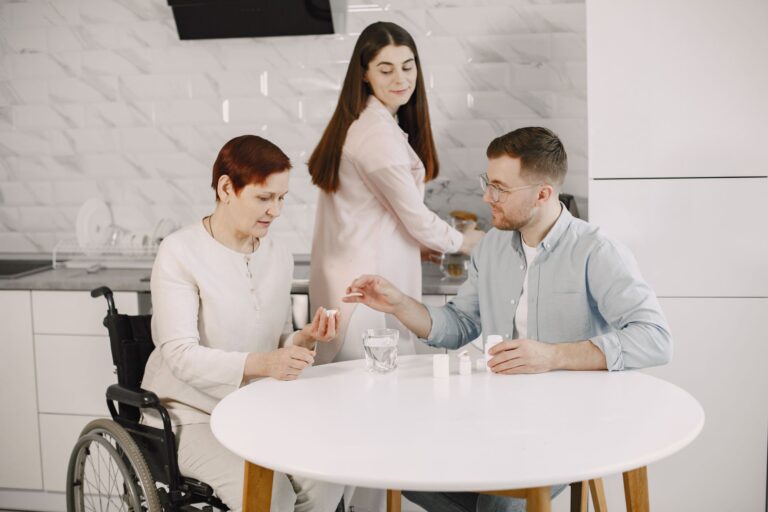
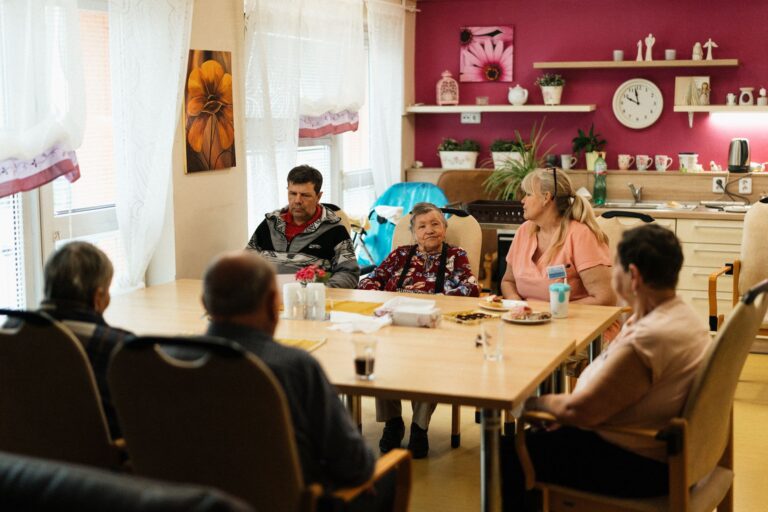
Caregivers can respond to word-finding trouble by pausing, listening for meaning, and offering a short cue or choice. In respite care, they can keep language simple, calm, and visual, and brief every relief helper on what works.
Respite care gives a primary caregiver short-term relief for hours to weeks. It can happen at home, in a health facility, or at an adult day center, according to the National Institute on Aging NIA getting help guidance. Word-finding trouble means familiar words repeat, thoughts stall, speech shortens, and gestures increase, as described by the Alzheimer's Association.
Medical information disclaimer: This article is for general educational purposes only and does not provide medical advice, diagnosis, or treatment. Always consult a physician or other qualified health professional about symptoms, medications, tests, or treatment decisions.
Table of Contents
- What does word-finding trouble look like?
- How do you respond without adding frustration?
- How can you support understanding when words fail?
- What should respite staff receive at handoff?
What does word-finding trouble look like?
People with Alzheimer's often repeat familiar words and lose their train of thought. They may speak less and rely more on gestures as language becomes harder, according to the Alzheimer's Association Alzheimer's Association communications guidance. A new respite helper may notice this first during meals, dressing, or outings.
The pause does not mean the person has nothing to say. It often means the word is stuck while the idea remains. Waiting a few beats preserves dignity and reduces pressure.
How do you respond without adding frustration?
Give extra time and avoid interrupting or finishing sentences. The National Institute on Aging warns that impatience raises frustration instead of aiding recall NIA communicating guidance. Make eye contact, then speak slowly in a calm voice.
Listen for meaning rather than exact words. If she says bus for car, follow the direction she points and confirm the goal. Keep your tone even when the same question returns. Correction and debate shut down effort, while a calm guess invites a nod or a second try, as the Alzheimer's Association advises.
- Call the person by name and get attention before speaking.
- Use short sentences with one idea at a time.
- Repeat back what you heard and offer one guess or cue.
- Do not criticize, correct, or argue about wrong words.
How can you support understanding when words fail?
Pair speech with gestures, facial expression, pointing, pictures, or written words. The American Speech-Language-Hearing Association notes these supports plus yes-or-no or single-choice questions aid understanding ASHA aphasia resources. Ask tea or water rather than an open question.
Reduce background noise and face the person directly. The Alzheimer's Association recommends less distraction, eye contact, and approaching from the front so focus stays on one speaker. One speaker at a time prevents overload during a busy respite visit.
What should respite staff receive at handoff?
Leave a one-page note on current words, cues, and comforts. List names the person still uses, gestures that mean yes or hunger, and prompts that calm.
Include hearing aids, glasses, best time of day, and quiet spot. These methods do not restore lost language. Middle-stage dementia brings poorer comprehension over time, so keep simplifying, write down what works, and share it at each handoff, as the Alzheimer's Association advises.