Reviewed by the Help Dementia Editorial Team — our editors review every article for accuracy against guidance from the National Institute on Aging, the Alzheimer’s Association, and peer-reviewed sources.
Caregivers can reduce fall risk at home by making three fundamental changes: removing environmental hazards, monitoring movement and balance changes, and establishing routines that support safe activity. Falls are the leading cause of both fatal and nonfatal trauma in older adults, and people with dementia face an even higher risk because they often have impaired balance, confusion about their surroundings, and difficulty judging distances or recognizing obstacles. A caregiver’s role is to anticipate dangers and quietly remove them before they become problems. The good news is that most home falls are preventable. Consider an 74-year-old with mid-stage dementia who lives with her daughter. The mother started losing her balance while reaching for glasses on the nightstand, so the daughter moved the glasses to arm’s reach on the bed.
She also removed the throw rug next to the bed and installed grab bars in the bathroom. Within weeks, she noticed her mother moving more confidently through the house. These simple changes didn’t require renovation or cost much money—they just required attention to how her mother actually moved through her own home. Understanding why falls happen in dementia care is the first step toward prevention. People with dementia lose proprioception (body awareness in space), have slower reflexes, and may not remember where they last placed their cane or glasses. Caregivers who observe these patterns can intervene thoughtfully.
Table of Contents
- What Environmental Changes Matter Most for Fall Prevention at Home?
- How Can Caregivers Monitor Balance and Mobility Changes?
- What Role Does Physical Activity Play in Fall Prevention?
- How Should Caregivers Approach Stairs, Bathrooms, and Other High-Risk Areas?
- What Medical and Behavioral Issues Contribute to Fall Risk?
- How Can Technology and Monitoring Tools Help?
- Looking Forward: Planning for Changing Abilities and Future Needs
- Conclusion
What Environmental Changes Matter Most for Fall Prevention at Home?
The physical environment accounts for nearly half of all fall-related injuries in older adults. Tripping hazards like loose rugs, electrical cords, and clutter in hallways are common culprits, but so are less obvious problems like inadequate lighting, slippery floors, and furniture arranged in ways that force people to reach or twist. A systematic walkthrough of your loved one’s home—looking at it through the eyes of someone with impaired balance and vision—often reveals problems you’ve lived with for years without noticing. Start with the highest-risk areas: the bathroom, bedroom, and main hallway between them. Install grab bars at the toilet and in the shower, use a shower chair, and add non-slip mats.
Remove bath mats that slide easily or replace them with ones with strong grip. In the bedroom, ensure a clear path to the bathroom, keep a lamp within reach of the bed, and position a sturdy bedside table so your loved one can use it for balance when standing up. Hallways should be well-lit, free of tripping hazards, and lined with sturdy furniture or railings that can serve as handholds. One limitation of environmental modification alone is that it doesn’t address the cognitive side of fall risk. Even if you remove hazards, a person with dementia might still try to stand up suddenly or attempt tasks they’re no longer able to do safely. Environmental changes work best when combined with supervision and routine.

How Can Caregivers Monitor Balance and Mobility Changes?
People with dementia often show subtle shifts in how they walk, stand, or move before they fall. These changes might include shuffling instead of stepping normally, holding onto walls more frequently, unsteady movements when turning, or complaints of dizziness. Noticing these signs early gives you time to adjust activities and ask for professional help before a fall happens. Keep a simple log of movement changes you observe: Has your loved one’s gait changed? Do they grab handrails more? Have they mentioned feeling unsteady? If you see consistent changes, mention them to their doctor. Changes in balance can signal medication side effects, urinary tract infections, dehydration, or progression of their neurological condition.
A doctor might recommend physical therapy, medication adjustments, or the use of assistive devices like a cane or walker. Some people resist using aids because they feel they signal decline, but introducing them gradually as part of daily routine—rather than after a fall—can help normalize their use. A important warning: don’t assume that falls are an inevitable part of dementia. Some caregivers become resigned to “it will happen eventually,” but research shows that careful attention to environment, activity planning, and medical management significantly reduces fall frequency and severity. Additionally, some medications used in dementia care (sedating antidepressants, certain blood pressure medications) increase fall risk as a side effect. Always review medications with a doctor if fall risk increases.
What Role Does Physical Activity Play in Fall Prevention?
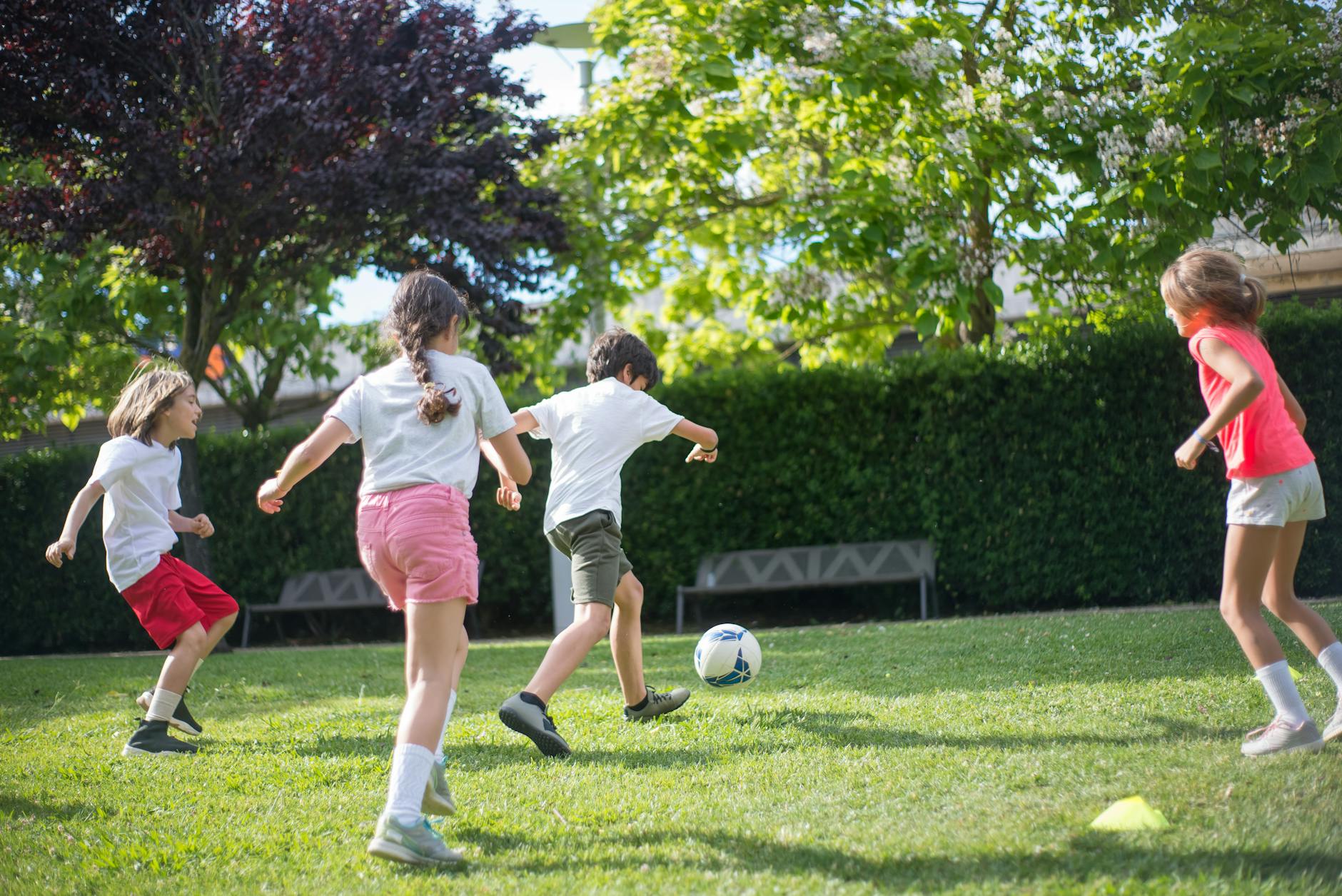
Strength and balance naturally decline with age and dementia, but gentle physical activity can slow that decline significantly. People who remain active have better balance, stronger legs, and more confidence moving around. However, activity needs to match ability—a person in late-stage dementia who can’t stand safely shouldn’t be encouraged to do so, but someone in early or mid-stage dementia might benefit greatly from daily walking, supervised stairs, or simple standing exercises. Consider the case of a 78-year-old man with early dementia who stopped walking much because his caregiver was worried he’d fall. After six months of inactivity, his legs became weak, his confidence dropped, and he actually became more likely to fall. When his caregiver started taking him on short walks around the house and yard several times a day—staying close and holding his arm—his balance improved within weeks.
He walked more confidently, slept better, and took fewer risks because he felt stronger. The caregiver didn’t need to send him to physical therapy, just needed to maintain regular, supported movement as part of his day. Physical therapy or occupational therapy can be valuable for people with dementia, though insurance coverage varies and finding therapists experienced in dementia care can be difficult. A therapist might teach specific exercises, recommend assistive devices, or suggest changes to your home that a caregiver might not think of. However, the most important factor is consistency. Brief daily activity trumps occasional intensive therapy sessions.
How Should Caregivers Approach Stairs, Bathrooms, and Other High-Risk Areas?
These spaces concentrate multiple hazards: wet floors, height changes, poor lighting, and the need for balance during vulnerable activities like dressing or toileting. The practical question is whether to eliminate these risks by removing access (like blocking stairs) or managing them by installing safety equipment and increasing supervision. Stairs deserve careful thought. Some people benefit from staying on one floor if that’s practical, avoiding the fall hazard entirely. Others live in multistory homes where avoiding stairs isn’t realistic. If stairs must be used, ensure handrails on both sides are sturdy, lighting is bright, and your loved one uses them during the day when alert and supervised. Many falls happen at night when someone is groggy and the lights are off.
One solution is a bedroom on the main floor, or positioning a commode chair nearby at night to reduce nighttime bathroom trips. There’s a tradeoff: helping someone avoid stairs removes a risk but can also reduce activity level and increase dependence. Bathrooms require a different approach. A person needs to bathe and use the toilet, so elimination isn’t an option. Instead, install grab bars, reduce water temperature to prevent burns if your loved one adjusts it themselves, use a shower chair, and clear the floor of clutter and water hazards. The real challenge is balancing privacy and dignity with safety. Some people resist caregivers in the bathroom, but a caregiver nearby—or at least close enough to hear and respond quickly—significantly reduces injury risk if a fall happens.
What Medical and Behavioral Issues Contribute to Fall Risk?
Falls aren’t purely environmental or physical—they often have medical roots. Infections, medication side effects, low blood pressure, anemia, and dehydration can all cause dizziness, confusion, or weakness that leads to falls. People with dementia may not communicate these problems clearly, so caregivers need to watch for changes in behavior or function that might hint at underlying issues. Behavioral changes can also increase fall risk in ways that environmental modification can’t fully address. Restlessness, wandering, impulsive movements, or attempts to leave the house without help or appropriate clothing—common in dementia—create scenarios where falls are more likely.
One approach is to anticipate these behaviors and plan for them: Does your loved one get restless in late afternoon? Plan a walk during that time rather than waiting for them to wander unsupervised. Do they try to get up frequently at night? Reduce fluids before bed and make sure the bathroom is close and well-lit. A critical limitation of environmental and routine approaches is that they don’t work if your loved one is agitated, refusing to use equipment, or actively trying to do unsafe activities. In these situations, close supervision becomes essential, and sometimes medication adjustments are necessary. This is a conversation to have with a neurologist or geriatrician, not something to manage alone.
How Can Technology and Monitoring Tools Help?
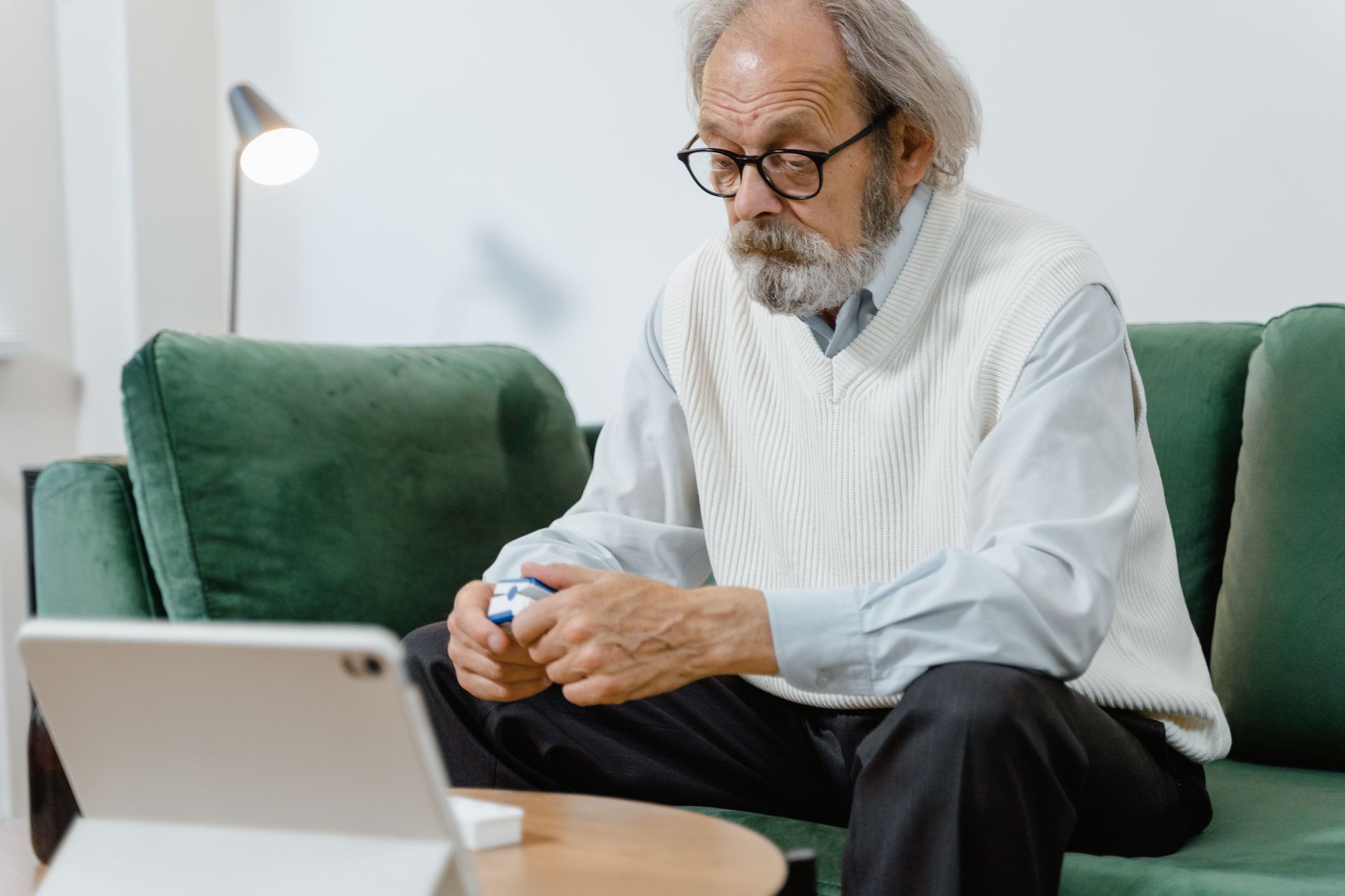
Modern assistive technology offers options that weren’t available a decade ago: movement sensors that alert you if your loved one gets out of bed, fall detection wearables that call for help automatically, and cameras with motion alerts. These tools can’t replace human supervision, but they can extend a caregiver’s awareness when they can’t be in the same room. A fall detection wearable—typically worn as a pendant or on the wrist—uses accelerometers to sense when someone falls and can automatically call emergency services or a caregiver.
These aren’t perfect (they have false alarms and don’t work in all situations), but they can be valuable if your loved one lives alone or if you can’t monitor them every moment. Some people refuse to wear them, which limits their usefulness. Motion sensors in hallways or bedrooms can alert you if your loved one is up at night, when falls often happen. The tradeoff is balancing safety benefits against privacy concerns and the cost of ongoing service fees.
Looking Forward: Planning for Changing Abilities and Future Needs
Dementia progresses, and fall risk changes at different stages. A person who’s independent and mobile early on may need full assistance with standing and walking later. Caregivers who prepare for these transitions—thinking about what will need to change and when—can prevent crises and plan modifications before they’re urgently needed. As your loved one’s abilities change, be willing to adjust your approach.
Aids that were refused a year ago might be accepted now. Activities that were safe last month might no longer be. Fall prevention isn’t a one-time fix; it’s an ongoing process of observing, adapting, and staying in touch with healthcare providers about what changes mean. The goal isn’t to prevent all falls—some remain unavoidable—but to reduce their frequency and severity, keeping your loved one as safe and active as possible for as long as possible.
Conclusion
Reducing fall risk for a person with dementia involves practical steps: making the home safer, staying alert to changes in balance and function, supporting gentle physical activity, and managing medical factors that contribute to falls. Most importantly, it requires observation and flexibility. The caregiver who notices their loved one reaching more carefully or hesitating before standing up—and responds by adding a grab bar or adjusting their routine—prevents the majority of falls before they happen.
Start with the three highest-risk areas in your home: the bathroom, bedroom, and main hallway. Work with your loved one’s healthcare provider to rule out treatable causes of instability. Watch for changes in mobility and medication side effects. And remember that some activity and risk-taking is part of a life worth living; the goal is to reduce unnecessary hazards while supporting meaningful movement and independence for as long as possible.