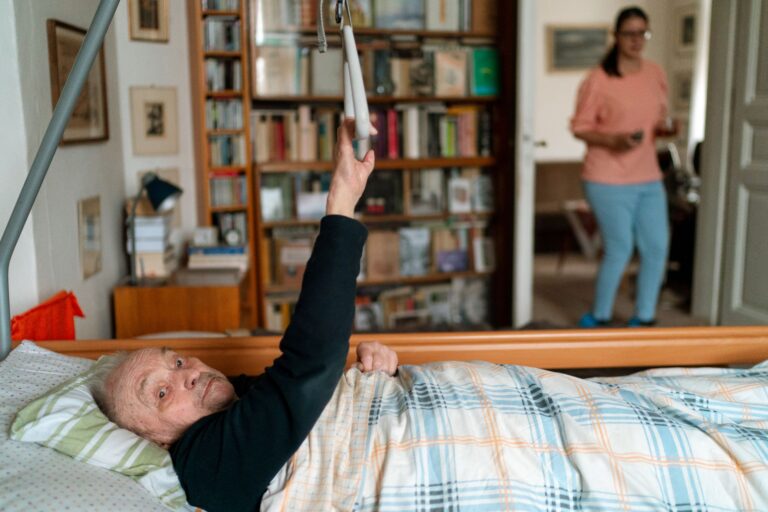
Hospital delirium is a sudden, fluctuating change in thinking or attention; dementia progression is usually gradual. They can occur together, so families should ask whether clinicians assessed delirium before assuming the dementia has worsened. Before discharge, ask about the person's baseline, possible causes, assessment results, medication changes, expected recovery, follow-up, and warning signs. These answers shape whether home care is realistic and what help the person may need.
Medical information disclaimer: This article is for general educational purposes only and does not provide medical advice, diagnosis, or treatment. Always consult a physician or other qualified health professional about symptoms, medications, tests, or treatment decisions.
Table of Contents
- Does the pattern look like delirium?
- What was the person's baseline?
- Was delirium assessed, and what caused it?
- What must the discharge plan include?
- Does delirium mean the dementia has permanently progressed?
Does the pattern look like delirium?
Timing is the clearest starting point. delirium begins suddenly and may improve or worsen over hours, days, or weeks. dementia generally develops more gradually, although a person can have both conditions at once, according to NIH MedlinePlus. Ask when the change first appeared and whether alertness or attention varied during the day.
A person who seemed engaged in the morning but confused that evening may have a fluctuating pattern. Do not look only for agitation. Delirium may involve hallucinations or restless behavior, but it can also appear as unusual sleepiness, withdrawal, or reduced responsiveness. Quiet delirium may be easier to miss.
What was the person's baseline?
Tell the care team what the person was like before hospitalization. The National Institute on Aging recommends describing pre-hospital memory, attention, behavior, mobility, and daily function because this baseline helps separate established dementia symptoms from an acute change in its hospital guidance for families.
Give concrete comparisons rather than saying the person was "better." For example: Ask staff to record this information. Without a clear baseline, new confusion or loss of function may be mistaken for the person's usual dementia.
- Could they recognize close relatives?
- Could they follow a conversation or simple directions?
- Did they walk independently or use an aid?
- Could they eat, dress, or use the toilet without help?
- Was the current sleepiness, fearfulness, or agitation present before admission?
Was delirium assessed, and what caused it?
Ask directly: "Was delirium assessed and documented?" When delirium indicators are present, NICE recommends the 4AT assessment outside critical care and recovery areas. It recommends CAM-ICU or ICDSC in critical care or after surgery and advises managing delirium first when distinguishing it from dementia is difficult, as detailed in the NICE recommendations.
Then ask what cause—or combination of causes—the team identified. A sudden worsening warrants assessment for potentially reversible contributors, including: Ask whether each suspected contributor was treated and whether any test results remain pending. If no cause was confirmed, request a clear explanation of what has been ruled out and what still needs monitoring.
- Infection, fever, or low oxygen
- Dehydration
- Pain or constipation
- Medication side effects
- Sleep loss
What must the discharge plan include?
Review every medicine with the discharge team. Ask what was started, stopped, or changed; why each change was made; and whether any medicine could affect alertness or behavior.
Also ask what improvement is expected, since delirium recovery may continue for weeks or months. Leave with a written plan that covers: AHRQ identifies medication information, warning signs, test results, follow-up, and home-care needs as core discharge discussions intended to reduce adverse events and readmissions.
- The complete medication schedule
- Individual warning signs and who to call
- Relevant test results, including pending results
- Follow-up appointments
- Required supervision and help with daily activities
Does delirium mean the dementia has permanently progressed?
No. Delirium does not prove permanent dementia progression, especially while an acute illness or another contributor is still affecting the person. Recovery should be judged against the pre-hospital baseline over time, not from one difficult hospital day.
Delirium still matters as a risk marker. A 2020 meta-analysis of 23 studies found significantly worse long-term cognition after delirium, but the observational evidence could not establish that delirium caused every later decline, according to the JAMA Neurology study indexed by PubMed. Before leaving, ask when cognition and daily function will be reassessed. Make sure the follow-up plan identifies who will compare the person's recovery with their documented pre-hospital baseline.