Reviewed by the Help Dementia Editorial Team — our editors review every article for accuracy against guidance from the National Institute on Aging, the Alzheimer’s Association, and peer-reviewed sources.
Healthcare system sits at the center of this dementia and brain health question.
No. America’s healthcare system is not adequately prepared to handle the explosion in Alzheimer’s treatment demand that is already beginning. The United States currently has 5.5 million patients living with Alzheimer’s-related dementia, but that number is projected to more than double to 11.6 million by 2040 according to the RAND Corporation.
Meanwhile, two new disease-modifying treatments have recently gained FDA approval—lecanemab in January 2023 and donanemab in July 2024—creating urgent new demand for diagnosis, treatment planning, and infusion services that the healthcare system simply cannot yet accommodate. Consider the real-world experience of a 62-year-old patient in rural Pennsylvania who receives a diagnosis of early-stage Alzheimer’s and asks his neurologist about starting lecanemab. The neurologist wants to help, but her practice is already booked four months out with Alzheimer’s evaluations, and the nearest infusion center equipped to deliver the drug is sixty miles away. This scenario is playing out in waiting rooms across the country, illustrating a fundamental mismatch between the promise of new treatments and the practical capacity of the system to deliver them.
Table of Contents
- Can the Healthcare System Absorb Growing Demand for Alzheimer’s Treatment?
- The Price of Innovation—Treatment Costs and Coverage Challenges
- The Diagnostic and Infrastructure Bottleneck
- Access Delays and the Geography of Treatment Inequality
- Primary Care and the Path to Expanded Access
- Alternative Delivery Models and Home-Based Treatment
- A System at an Inflection Point
- Conclusion
Can the Healthcare System Absorb Growing Demand for Alzheimer’s Treatment?
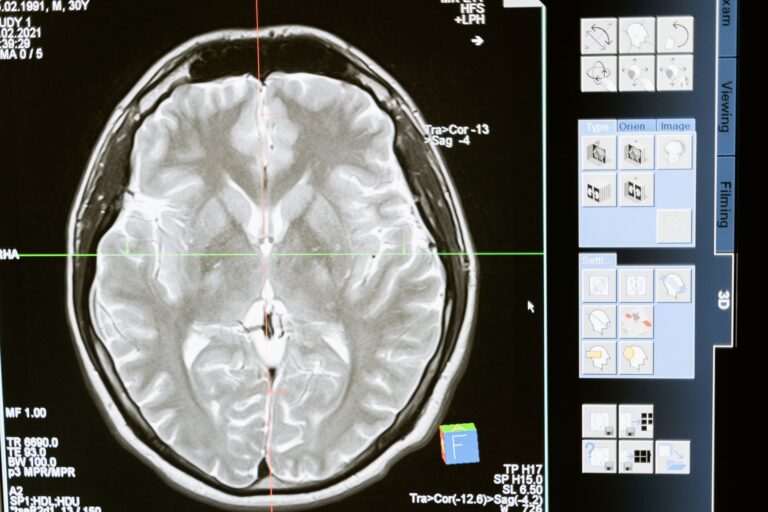
The infrastructure required to diagnose, treat, and monitor Alzheimer’s patients is severely constrained. The RAND Corporation’s analysis identified three critical bottlenecks: too few neurologists and specialists to diagnose early-stage disease and determine treatment eligibility, a limited number of specialized diagnostic scanners (such as PET imaging for amyloid and tau), and insufficient infusion centers to deliver treatments at scale. These are not minor logistical challenges—they are fundamental capacity limitations that will determine how many patients can actually access the new generation of Alzheimer’s treatments.
To put the specialist shortage in perspective, the average wait time to see a neurologist in major metropolitan areas is already three to four months. Rural and underserved regions often have no Alzheimer’s specialists available at all, forcing patients to travel long distances for evaluation. The shortage will only worsen as demand increases, unless healthcare systems begin training and deploying additional specialists now.

The Price of Innovation—Treatment Costs and Coverage Challenges
Lecanemab carries an annual price tag of $26,500, with donanemab pricing expected to be comparable. These are not one-time costs but ongoing expenses for patients who remain on the medication. Cost-effectiveness studies suggest that annual prices in the range of $8,900 to $21,500 would represent reasonable value compared to other treatments, meaning lecanemab’s current price exceeds most consensus benchmarks. If just a quarter of Medicare beneficiaries were prescribed an aducanumab-like therapy, annual Medicare expenses could exceed $29 billion—a staggering sum that exceeds the entire annual budget for many states’ Medicaid programs.
The challenge is compounded by the lag time between FDA approval and actual patient access. Lecanemab may take over one year to become accessible through private drug insurance plans and over two years through public Medicare plans. This means a patient approved for treatment today might not receive their first infusion until 2027 or later. Global access remains even more restricted, often limited to wealthy populations or countries with public health systems that have explicitly adopted coverage for these drugs. The disparity creates a two-tiered system where socioeconomic status determines who benefits from the most advanced treatments.
The Diagnostic and Infrastructure Bottleneck
Before any patient can receive lecanemab or donanemab, they must undergo accurate diagnostic testing. This typically involves cognitive testing, blood biomarkers, and imaging such as PET scans or advanced MRI. The problem is that specialized diagnostic imaging infrastructure is concentrated in urban medical centers and major hospital systems. Many community hospitals lack the equipment or expertise for advanced Alzheimer’s imaging.
Some regions have waiting lists months long just to schedule a PET scan—delays that are problematic for early-stage patients who could benefit most from treatment. Infusion centers represent another critical gap. While oncology centers and rheumatology practices routinely manage infusions, most primary care settings and many community hospitals lack the specialized training, monitoring protocols, and emergency equipment needed for amyloid-targeting monoclonal antibodies. These drugs can cause amyloid-related imaging abnormalities (ARIA), a serious side effect that requires regular MRI monitoring and clinical oversight. Building out infusion capacity will require not just space and equipment, but significant investment in staff training and oversight protocols.

Access Delays and the Geography of Treatment Inequality
The time lag between approval and coverage creates a window where only wealthy, well-insured patients can access treatment. Even after coverage expands, geographic barriers persist. A patient in a densely populated area like Boston or San Francisco might have multiple infusion centers within thirty minutes and several neurologists to choose from. A patient in rural Montana or Mississippi may have no infusion centers within a hundred miles and may need to travel six hours for a specialist consultation. This geographic inequality is not incidental—it is baked into how healthcare infrastructure develops based on population density and market economics.
Another barrier emerges from insurance coverage variability. While the Inflation Reduction Act helped ensure Medicare coverage, commercial insurance policies vary widely in coverage criteria, prior authorization requirements, and reimbursement rates. Some insurers require patients to fail other treatments first or to meet restrictive cognitive criteria. The result is a patchwork where similar patients have vastly different access depending on their insurance plan and geographic location. A patient with robust Medicare Advantage coverage and access to a nearby infusion center faces a completely different path to treatment than an uninsured or underinsured patient in a rural area.
Primary Care and the Path to Expanded Access
One solution emerging from healthcare analysis is the role of primary care practitioners in early diagnosis and evaluation. Currently, most Alzheimer’s diagnoses are made by neurologists or geriatricians—specialists who are in short supply. If primary care physicians, nurse practitioners, and physician assistants could be trained and equipped to recognize early Alzheimer’s signs, order appropriate blood biomarker tests, and manage patient evaluation, a huge bottleneck could be relieved. The RAND Corporation specifically identified this as a way to reduce specialist wait times and increase treatment uptake from 2025 through 2044.
However, there is a significant caveat: enabling primary care to diagnose and manage Alzheimer’s requires infrastructure that many primary care practices lack. This means investment in training, adoption of diagnostic algorithms, access to blood biomarker testing, and coordination with specialists for complex cases. It also requires reimbursement models that incentivize primary care providers to spend the time needed for thorough evaluation—something many current insurance payment structures do not support. Without addressing these underlying economic and organizational barriers, expanding primary care roles will only push frustrated practitioners to refer all complex cases to overburdened specialists.

Alternative Delivery Models and Home-Based Treatment
The RAND Corporation and other experts have recommended a combined approach to infusion delivery: facility-based infusion centers for complex cases, office-based infusions in neurology and specialty practices, and home infusion services for stable patients. This multi-pronged strategy could dramatically increase treatment capacity by distributing the load across different settings. Home infusion is particularly promising for patients who live far from medical centers or struggle with transportation.
The FDA is expected to make a decision in May 2026 on lecanemab home-use starter doses, which would further expand access. A patient could potentially receive their initial dose in a monitored clinical setting and then transition to home-based administration once stabilized. This approach has proven successful in cancer care and other disease areas, and it offers genuine potential to overcome some geographic and logistical barriers that currently limit access.
A System at an Inflection Point
The next three years will be crucial in determining whether the healthcare system rises to meet the Alzheimer’s treatment challenge or whether demand significantly outpaces supply. The convergence of new treatment options, growing patient numbers, and existing capacity constraints creates both urgency and opportunity. Healthcare systems that proactively invest in training neurologists and specialty nurses, installing diagnostic infrastructure, and building infusion capacity will serve patients better and position themselves as centers of excellence. Those that wait and react will find themselves overwhelmed.
The transformation required is not just clinical but systemic. It involves payment models that incentivize prevention and early diagnosis, workforce training programs that begin now, and policy decisions that ensure equitable geographic distribution of resources. None of this will happen automatically. It will require leadership, investment, and commitment from healthcare organizations, policymakers, and the broader medical community.
Conclusion
America’s healthcare system faces a genuine test of readiness. New Alzheimer’s treatments offer real hope for patients and families, but that hope can only be realized if the system has the capacity to deliver diagnosis, treatment planning, infusion services, and monitoring at scale. Today, it does not.
The gaps in specialist availability, diagnostic infrastructure, and infusion capacity are real, measurable, and growing as demand increases toward 11.6 million patients by 2040. The path forward requires immediate action: expanding primary care diagnostic capacity, building infusion infrastructure in underserved regions, training additional specialists, and creating payment models that support early detection and treatment. Patients and families should understand these limitations now, advocate for their own care proactively, and not wait passively for systems to transform on their own timeline. Working with healthcare providers to find available resources and building relationships with centers of excellence for Alzheimer’s care will be essential during this period of constrained capacity.
You Might Also Like
- Innate Immune System Modulation Explored for Alzheimer’s Treatment
- Treatment Accessibility Programs Work to Ensure Alzheimer’s Drug Availability
- Long-Acting Injection Formulations Studied for Alzheimer’s Treatment
For more, see CDC — Alzheimer’s and Dementia.