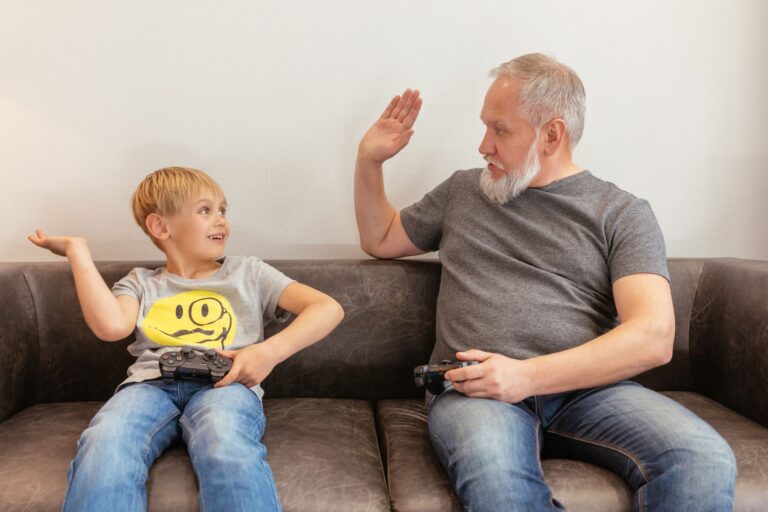
In 2026, games have a useful but limited role in dementia care: they may support engagement, but they are not proven to prevent dementia or produce lasting general improvements in thinking. The decision mainly affects people with mild-to-moderate dementia and the carers who help choose and support activities. "Games for dementia care" includes puzzles, card games, matching activities, and digital exercises used for enjoyment or mental activity. The Alzheimer's Society says brain-training gains usually remain limited to the tasks being practised.
Medical information disclaimer: This article is for general educational purposes only and does not provide medical advice, diagnosis, or treatment. Always consult a physician or other qualified health professional about symptoms, medications, tests, or treatment decisions.
Table of Contents
- Cognitive stimulation is not brain training
- Who is affected?
- What does the evidence show?
- How should carers choose and use games?
Cognitive stimulation is not brain training
Cognitive training involves repeated practice intended to improve a particular skill. A person might repeatedly complete memory, attention, or problem-solving exercises and receive a score. Cognitive stimulation is broader. It uses enjoyable, often social activities to engage thinking and memory.
Conversation, reminiscence, and shared problem-solving can matter as much as completing the game. A commercial app may offer cognitive training, cognitive stimulation, or simple entertainment. Its label does not establish that it treats dementia. NICE distinguishes these approaches, recommending structured cognitive stimulation or reminiscence for mild-to-moderate dementia while advising against cognitive training as an Alzheimer's treatment.
Who is affected?
Dementia affected 57 million people worldwide in 2021 and causes nearly 10 million new cases each year. The World Health Organization also reports that women provide 70% of dementia care hours globally, showing why activity choices affect carers as well as patients in its 2026 dementia fact sheet. The clearest research discussed here concerns people with mild-to-moderate dementia.
It should not be assumed that the same activity, difficulty, or benefit applies at every stage. Carers are also part of the activity. They may need to introduce the rules, simplify choices, notice frustration, and decide when participation is no longer enjoyable.
What does the evidence show?
A Cochrane review examined 37 randomized trials involving 2,766 people with mild-to-moderate dementia. Across 25 studies, cognitive stimulation produced a small short-term advantage of 1.99 points on the Mini-Mental State Examination, a brief cognitive test. However, only two studies used digital delivery, and lasting clinical importance remains uncertain in the Cochrane evidence review.
This evidence supports cognitive stimulation as a care activity, not as a cure. A small average test-score difference does not show that every participant will benefit or that improvements will transfer to independent daily living. It also does not justify treating evidence about group-based, social stimulation as proof for an app or video game. Products that promise broad or permanent cognitive improvement go beyond the evidence described here.
How should carers choose and use games?
Choose an activity for enjoyment, connection, or manageable mental engagement—not to test the person. Familiarity and a comfortable level of challenge matter more than completing every round or achieving a high score.
The National Institute on Aging recommends adapting activities to the person's abilities and watching how they respond. Its caregiving guidance supports a practical approach: Do not use game performance to diagnose dementia, measure progression, or decide whether treatment is working. Games can complement clinical care, but they cannot replace assessment, prescribed treatment, or individualized support.
- Pick a familiar or easily explained activity.
- Reduce the number of pieces, cards, choices, or rules when needed.
- Help the person begin instead of waiting for them to work out every step.
- Watch for tension, withdrawal, repeated errors, or visible frustration.
- Offer encouragement without correcting every mistake.
You Might Also Like
- How to Verify Games for Dementia Care Claims in 2026: FDA, NIH, WHO, and CMS sources, Evidence, and Red Flags
- Games for Dementia Care FAQ for September 2026: Source-Checked Answers to Common Questions
- Games for Dementia Care 2026 Guide: safety, access, and evidence limits; Key Facts and Questions to Ask