No human clinical trials have tested whether fresh garlic or garlic extract prevents dementia or slows cognitive decline, despite promising results in animal studies. The two forms differ significantly: aged garlic extract (AGE) is odorless and has higher antioxidant activity than fresh garlic, but both may offer indirect brain benefits through cardiovascular effects rather than direct protection against memory loss.
The research gap is stark. While 13 animal studies showed garlic extract reduced cognitive impairment in mice and rats, according to a 2021 systematic review in the Journal of Ethnopharmacology, the Alzheimer's Drug Discovery Foundation confirms zero human cognitive trials exist. Before spending money on supplements or changing your diet, you should understand what evidence actually supports these claims and what safety considerations apply to your situation.
Medical information disclaimer: This article is for general educational purposes only and does not provide medical advice, diagnosis, or treatment. Always consult a physician or other qualified health professional about symptoms, medications, tests, or treatment decisions.
Table of Contents
- Why No Human Studies Exist Yet
- Fresh Garlic vs. Aged Garlic Extract: What's Different
- The Cardiovascular Angle (Indirect Dementia Protection)
- Safety and Side Effects
- What You Can Do Now
- Frequently Asked Questions
Why No Human Studies Exist Yet
The jump from mouse models to human patients is where most supplement research fails. Animal studies can show that a compound reduces brain inflammation or protects neurons from oxidative stress—both believed to contribute to Alzheimer's disease—but this does not prove the same effect occurs in humans, at the doses used in humans, over the timescales that matter for dementia prevention.
Aged garlic extract treatment reduced oxidative stress, inflammation, and neuronal loss in Alzheimer's transgenic mice models, according to NIH research, and prevented memory decline in those animals. However, findings from mouse and rat models do not reliably predict human efficacy, and researchers have not yet identified the optimal doses for any potential dementia benefit in people. The next step—randomized controlled trials in humans measuring cognitive outcomes—has not happened.
Fresh Garlic vs. Aged Garlic Extract: What's Different
The two forms are not interchangeable. Aged garlic extract has higher antioxidant activity than fresh garlic and is odorless, meaning it avoids the bad breath and body odor that fresh garlic causes. Both contain bioactive compounds, but the processing changes their chemical profile and potency.
Bioavailability—how much of the active compound your body actually absorbs—varies dramatically. Enteric-coated garlic tablets ranged from 36 to 104% bioavailability, while consuming garlic with high-protein meals reduced this to 22 to 57%, according to research in MDPI Nutrients. Crushed fresh garlic showed complete bioavailability of allyl thiosulfinates, though processing and storage affect potency. If you choose a supplement form, timing and meal composition matter more than you might expect.
The Cardiovascular Angle (Indirect Dementia Protection)
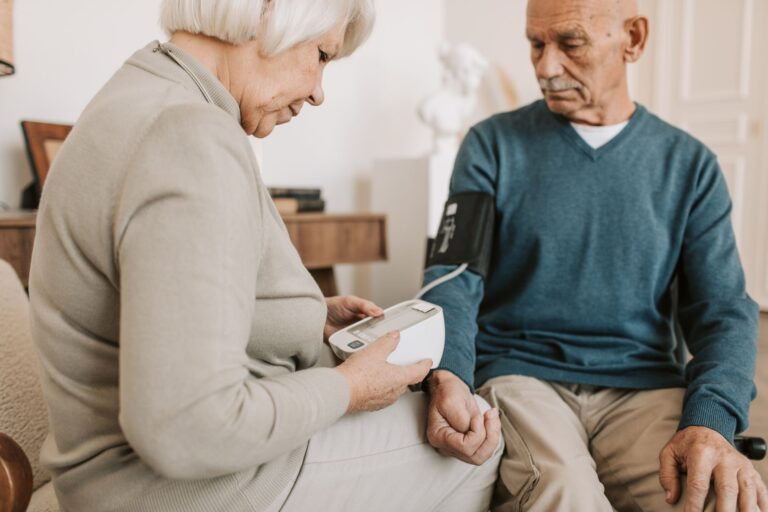
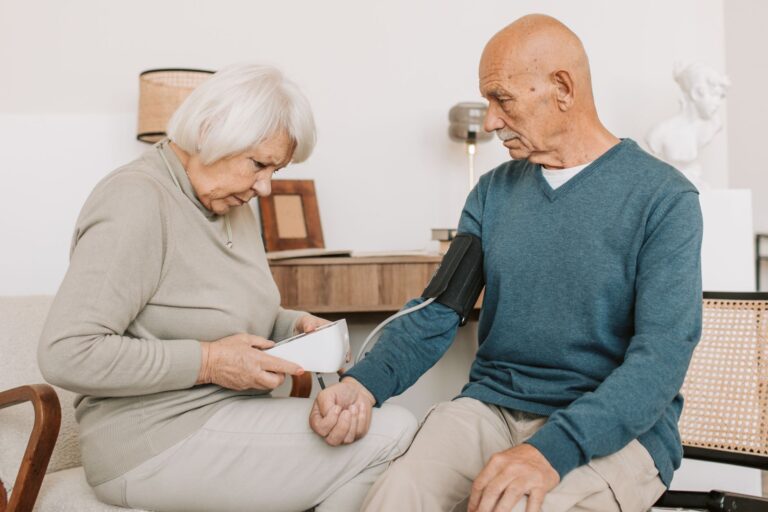
Garlic does show one proven human benefit that may indirectly support brain health. Randomized clinical trials show aged garlic extract reduced systolic blood pressure by 5 to 15 mmHg over 12 weeks in adults with hypertension, according to evidence reviewed by ScienceDirect. Since high blood pressure is a known risk factor for Alzheimer's disease, blood pressure reduction could reduce dementia risk—but this is a side effect of treating hypertension, not direct cognitive protection.
This distinction matters for your decision-making. If you take aged garlic extract and it helps your blood pressure, that is a real benefit with real health implications. If you take it expecting to prevent memory loss, you have no human evidence supporting that specific claim.
Safety and Side Effects
Aged garlic extract is generally well tolerated with mainly mild gastrointestinal side effects in clinical trials, and the FDA classifies garlic as generally recognized as safe (GRAS). However, caution is warranted in specific situations: Check with your doctor or pharmacist before starting a garlic supplement, especially if you take anticoagulants or have a history of bleeding problems.
- If you take blood thinners (such as warfarin) or have a bleeding disorder, garlic may increase bleeding risk
- If you are allergic to lily-family plants (onions, chives, leeks), you may have an allergic reaction to garlic
- Gastrointestinal upset is the most common side effect; taking AGE with food may help
What You Can Do Now
If dementia prevention is your goal, garlic is one of many factors you cannot yet count on. More effective approaches with human evidence include: If you want to try garlic—either fresh or as aged garlic extract—there is no harm in doing so, provided you account for the safety considerations above and understand that you are testing it on yourself, not following evidence-based dementia prevention. You are not failing to prevent dementia by skipping garlic; dementia prevention requires a whole-of-life approach across diet, exercise, cardiovascular health, and cognitive engagement.
- Managing high blood pressure, diabetes, and cholesterol (proven risk-reduction factors)
- Staying physically active (strong evidence for cognitive benefit)
- Engaging in cognitively stimulating activities
- Maintaining social connections
Frequently Asked Questions
Is aged garlic extract the same as fresh garlic?
No. Aged garlic extract has higher antioxidant activity, is odorless, and processes differently, so bioavailability and effects may differ from fresh garlic.
Can garlic prevent Alzheimer's disease?
Not based on current human evidence. Animal studies show promise, but zero clinical trials in humans have tested whether garlic or garlic extract prevents cognitive decline.
Is garlic safe to take daily?
Generally yes, with mild gastrointestinal side effects being most common. However, avoid it or consult your doctor if you take blood thinners or have a bleeding disorder.
Does garlic reduce dementia risk in any way?
Indirectly, yes: aged garlic extract has been shown to reduce blood pressure, and high blood pressure is a dementia risk factor. This is cardiovascular benefit, not direct brain protection.