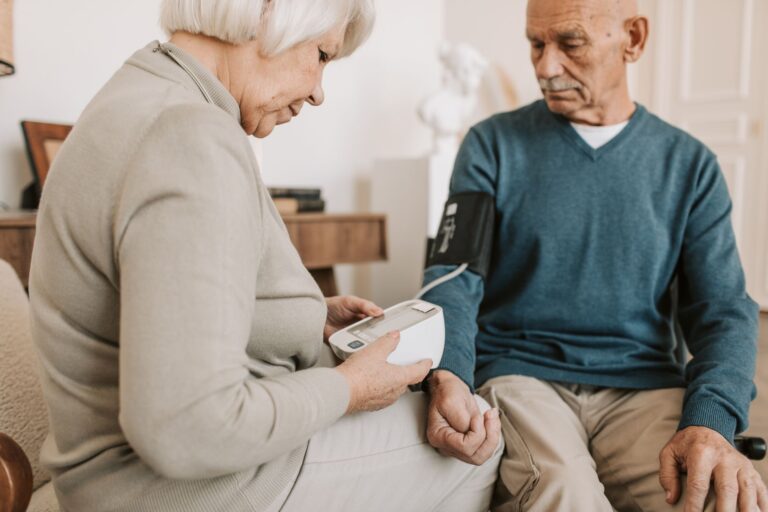
Free events sits at the center of this dementia and brain health question.
Free community events are helping families understand Alzheimer’s disease earlier by providing accessible education, peer support, and awareness about early detection before symptoms become severe. Organizations like the Alzheimer’s Association now offer hundreds of free events nationwide—from the Walk to End Alzheimer’s held in over 600 communities to live webinars on brain health and dementia care—removing financial and geographic barriers that traditionally kept families in the dark about early warning signs and prevention strategies. This shift matters because the numbers are urgent: 7.7 million Americans are currently living with Alzheimer’s, with that number projected to nearly double to 13 million by 2050, yet public awareness about early detection remains surprisingly low despite overwhelming desire for it.
The timing of this educational push is critical. Research shows that 99% of Americans believe early diagnosis is important, and 79% would want to know if they had Alzheimer’s before symptoms appeared. Yet most people don’t know where to turn for reliable information or how to recognize the difference between normal aging and disease. This article explores how free community events are closing that knowledge gap, what resources families can access, and why early understanding—even when diagnosis isn’t immediate—can fundamentally change how families approach brain health and caregiving.
Table of Contents
- What Are Free Alzheimer’s Events Actually Teaching Families?
- June and September: Concentrated Windows for Awareness and Action
- How Community Events Reach Families Who Otherwise Stay Silent
- What Families Actually Learn About Early Detection
- The Resource Gap That Free Events Begin to Address
- How Early Understanding Shifts Family Dynamics and Planning
- The Future of Free Education and Community Reach
- Conclusion
What Are Free Alzheimer’s Events Actually Teaching Families?
Free community events tackle a specific problem: most families don’t understand the early signs of cognitive decline until it’s too late for preventive action. The Alzheimer’s Association’s free live webinars throughout 2026 cover topics like recognizing mild cognitive impairment, understanding the difference between normal forgetfulness and dementia, learning about new blood biomarker tests that can detect Alzheimer’s years before symptoms, and strategies for maintaining brain health in midlife. These aren’t generic wellness talks—they’re education designed to help people identify when a parent’s memory problems cross from occasional lapses into something requiring evaluation.
Walk to End Alzheimer’s events, held annually in more than 600 communities, combine fundraising with grassroots education. Participants and their families learn about local resources, hear from caregivers and researchers, and often encounter information about early detection for the first time. However, the limitation here is that walk events happen once a year, so families who attend must then navigate the gap period between events to find ongoing support and resources. That’s where the Alzheimer’s Association’s broader event calendar—spanning webinars, support group meetings, and local education programs—fills the void with year-round learning opportunities.

June and September: Concentrated Windows for Awareness and Action
Alzheimer’s & brain Awareness Month in June and World Alzheimer’s Day on September 21 create two significant opportunities for concentrated public education. During these periods, free community programs explode—memory walks, fundraisers, awareness activities, and educational seminars pop up across cities, libraries, senior centers, and online platforms. The advantage of these concentrated periods is that they generate critical mass: local media covers events, social media amplifies messaging, and families who might otherwise isolate with their concerns suddenly see Alzheimer’s and dementia discussed publicly and validated as matters worth understanding.
The downside, though, is that these awareness months can feel performative without follow-up infrastructure. A family attends a free seminar in June, learns they should watch for subtle signs in an aging parent, then finds themselves lost six months later with questions and nowhere to turn. this is why the most effective communities pair their June and September events with permanent resources—free support groups, telehealth consultations, and educational libraries that remain available year-round. Without that continuity, the awareness spike often dissipates, leaving families back where they started.
How Community Events Reach Families Who Otherwise Stay Silent
One of the most powerful aspects of free events is that they reduce stigma. Many families dealing with early cognitive changes don’t seek help because they’re embarrassed, uncertain if the changes are “real,” or afraid of what a diagnosis might mean. Attending a free community event—especially a Walk to End Alzheimer’s where thousands of other people show up—normalizes the conversation. Families realize they’re not alone, and they see that early detection isn’t a death sentence but an opportunity to plan, access treatments, and connect with support.
This peer-to-peer learning is where community events outperform online resources. At a local event, a caregiver can talk directly with someone else who’s already navigated a parent’s diagnosis, learn what doctors to see, hear about warning signs they should have caught earlier, and sometimes get direct referrals to neurologists or memory clinics. An online webinar provides information; a community event provides connection. For families dealing with isolation—rural communities, non-English speakers, people with limited internet access—in-person free events are often their only realistic pathway to understanding Alzheimer’s and finding resources. That said, community events require geographic proximity and often happen during specific times that don’t work for everyone, which is why parallel online options remain essential.

What Families Actually Learn About Early Detection
Free events now prioritize teaching families about early detection methods that were largely unknown to the public just a few years ago. Blood biomarker tests can detect Alzheimer’s pathology in the brain years before symptoms appear—but 91% of Americans would be willing to take such a test if available, even though very few are familiar with it. Free webinars educate families about these new diagnostic tools, where to access them (many insurance plans now cover them), and what results actually mean for future planning. Free events also teach the distinction between normal aging and disease, a critical gap in public understanding.
Everyone forgets names occasionally; Alzheimer’s involves forgetting recently learned information repeatedly, even after reminders. A family member gets lost taking a familiar route; that’s concerning. They forget they even took a drive; that warrants evaluation. By teaching these distinctions, free events help families make more informed decisions about when to encourage an aging parent to see a doctor—not based on fear or outdated stereotypes, but on specific observable patterns. The tradeoff is that accurate education sometimes reassures families (not everything is Alzheimer’s), while other times it compels them toward action they might have delayed (and that delayed action could mean missing the window for early intervention).
The Resource Gap That Free Events Begin to Address
While 99% of Americans value early diagnosis and 79% would want to know their status, 66% of caregivers report difficulty finding resources and support for their needs. Free community events directly address this gap, but they can only do so much. A person can attend a webinar and learn about early signs, but then struggle to find an affordable neurologist, navigate insurance coverage for testing, or locate caregiver support groups that fit their schedule. This is why effective free events always include resource lists—hotlines, websites, support group directories, clinic referrals—rather than just information.
A specific warning: not all free events are equally reliable. Some are hosted by reputable organizations like the Alzheimer’s Association, Alzheimer’s Foundation of America, and official healthcare systems. Others may be hosted by supplement companies, alternative medicine practitioners, or even scam artists trying to prey on worried families. When choosing free events, families should verify the host is a legitimate nonprofit or healthcare organization, not a commercial entity with something to sell. The best free events are transparent about funding, feature speakers with actual credentials, and provide resources aligned with evidence-based Alzheimer’s care rather than unproven treatments.

How Early Understanding Shifts Family Dynamics and Planning
When families understand Alzheimer’s early, they often make better long-term decisions. A parent who learns about mild cognitive impairment at age 62, when they still have capacity to participate in decision-making, can help establish healthcare directives, discuss financial planning, and maintain autonomy in future care decisions. Compare this to families who don’t learn until stage 2 or 3 dementia, when the person with the disease has lost the ability to participate meaningfully in these conversations. Free events that educate families about these windows of opportunity can literally change the trajectory of long-term care.
Free events also help families access treatment earlier. New Alzheimer’s drugs approved in recent years work better when started earlier in the disease process. But families who don’t know what to look for often delay seeking evaluation, missing the optimal treatment window. An event attendee who learns about early signs might catch a parent’s cognitive decline at mild cognitive impairment stage, leading to earlier diagnosis and earlier access to disease-modifying medications—something simply not possible if the family doesn’t understand the significance of the early warning signs.
The Future of Free Education and Community Reach
The expansion of free events reflects a broader shift in how healthcare is approaching dementia—no longer waiting for people to show up at clinics with advanced disease, but meeting families where they are with accessible education and support. As the population ages and Alzheimer’s prevalence rises toward 13 million cases by 2050, this early-education model will likely become even more central to public health strategy. More events, more online webinars, and more partnership between nonprofits and community organizations will be needed to reach families before crisis hits.
Looking ahead, the most effective communities will be those that integrate free events with follow-up support structures—ensuring that families who gain awareness at a June event actually have accessible resources come July. This might mean combining large annual walks with regular support groups, pairing one-time webinars with ongoing consultation lines, or creating peer mentor programs where early caregivers support newly diagnosed families. The free event is the entry point; sustainable community resources are what make the event’s impact last.
Conclusion
Free community events are helping families understand Alzheimer’s earlier by removing barriers to education, normalizing the conversation around early detection, and connecting people with resources they might otherwise never access. Through programs like Walk to End Alzheimer’s, free webinars, and June and September awareness initiatives, thousands of families are learning for the first time that early diagnosis matters, that new detection tools exist, and that understanding early warning signs can fundamentally change how they approach a parent’s or partner’s cognitive health. The most powerful impact of these free events isn’t just the information they provide—it’s the shift in family culture they enable.
When communities make education free and accessible, more families understand Alzheimer’s before crisis strikes. More people recognize early warning signs and pursue evaluation at stages when treatment is more effective. More families plan ahead, preserve autonomy, and build support networks before they’re desperately needed. If 13 million Americans will be living with Alzheimer’s by 2050, early education through free community events isn’t a luxury—it’s an essential piece of the infrastructure that will determine whether families face this disease informed and prepared, or isolated and overwhelmed.
You Might Also Like
- Lawmakers are pushing new plans to fight Alzheimer’s nationwide
- Early detection tools are here, but not everyone agrees on using them
- Doctors say these new blood tests could detect Alzheimer’s much earlier
For more, see Alzheimer’s Association.