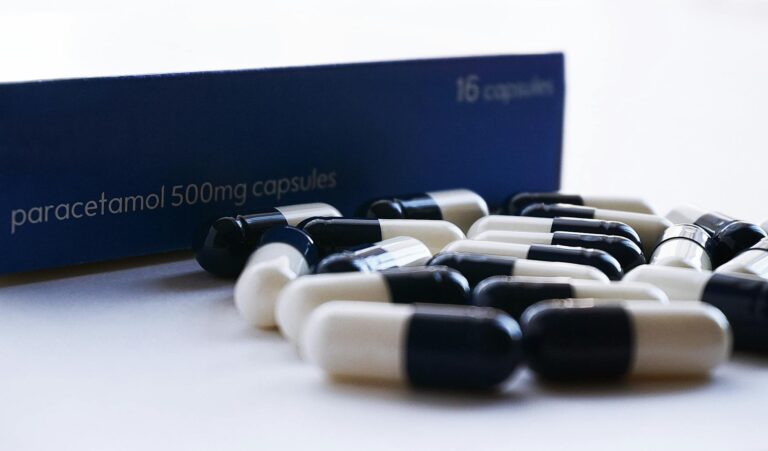
The FDA-approved fecal transplant pill is called Vowst, and it became available after the agency greenlit it on April 26, 2023, making it the first orally administered fecal microbiota product in history. Developed by Seres Therapeutics and distributed through Nestlé Health Science, Vowst contains live purified spore-forming Firmicutes bacteria derived from screened human donor stool. The treatment course is straightforward: four capsules taken once daily for three consecutive days, twelve capsules total. It is approved specifically for preventing recurrence of Clostridioides difficile infection in adults 18 and older who have already completed antibacterial treatment for recurrent CDI. For older adults and their caregivers, this approval carries particular weight.
C. difficile causes approximately 500,000 infections per year in the United States, and over 80 percent of the roughly 29,000 deaths within 30 days of initial diagnosis occur in adults aged 65 and older. More than 100,000 of those infections happen in nursing home residents each year. Before Vowst, the only FDA-approved fecal microbiota option was Rebyota, a rectally administered product. A pill that patients can simply swallow represents a meaningful shift in how this devastating gut infection can be managed, especially for elderly patients already dealing with the physical toll of repeated antibiotic courses. This article covers how Vowst works, what the clinical trial data actually showed, who qualifies for treatment, the steep cost and insurance landscape, safety considerations for older adults, how it compares to Rebyota, and what emerging research suggests about the future of microbiome-based therapies.
Table of Contents
- How Does the FDA-Approved Fecal Transplant Pill Work to Restore Gut Health?
- What Did Clinical Trials Reveal About Vowst’s Effectiveness and Limitations?
- Why C. Difficile Is Especially Dangerous for Dementia Patients and Older Adults
- How Does Vowst Compare to Rebyota, and Which Option Makes More Sense?
- The Cost Problem — $17,500 for Twelve Capsules
- Safety Considerations for Elderly Patients
- What the Future Holds for Microbiome-Based Therapies
- Conclusion
- Frequently Asked Questions
How Does the FDA-Approved Fecal Transplant Pill Work to Restore Gut Health?
The basic premise behind Vowst is that recurrent C. difficile thrives in a gut stripped of its natural microbial diversity, usually after rounds of antibiotics have wiped out the protective bacteria along with the harmful ones. Vowst reintroduces purified bacterial spores from healthy, screened donor stool into the patient’s gastrointestinal tract. These Firmicutes spores survive the acidic environment of the stomach, germinate in the intestines, and begin recolonizing the gut with organisms that crowd out C. difficile and restore a healthier microbial balance. The mechanism is essentially competitive exclusion: fill the ecological niche so the pathogen cannot regain its foothold.
What makes this different from traditional fecal microbiota transplantation, which has been performed experimentally for years via colonoscopy or nasal tube, is the standardization and the route of delivery. Each Vowst capsule contains a defined preparation of spores rather than raw processed stool, and the oral route eliminates the need for invasive procedures. For a frail 78-year-old nursing home resident who has already endured three rounds of vancomycin and two hospitalizations for C. difficile recurrence, swallowing capsules over three days is a categorically different experience than undergoing a colonoscopy-delivered transplant. It is worth noting that Vowst is not a probiotic supplement you can buy over the counter. It is a prescription biological product subject to the same regulatory scrutiny as any FDA-approved therapy. The donor stool undergoes extensive screening for infectious agents, and the manufacturing process isolates specific spore-forming bacteria. This is a regulated pharmaceutical, not a wellness product.
What Did Clinical Trials Reveal About Vowst’s Effectiveness and Limitations?
The pivotal clinical trial enrolled 180 patients with recurrent C. difficile infection and the results were significant. Among those who received Vowst, 88 percent did not experience reinfection at the eight-week mark, compared to 60 percent in the placebo group. Put another way, the CDI recurrence rate was 12.4 percent for Vowst versus 39.8 percent for placebo. For a condition where 15 to 35 percent of cases recur after standard antibiotic treatment alone, cutting recurrence to roughly one in eight patients represents a substantial improvement. However, these numbers come with context that matters.
The trial population was adults 18 and older, and while many participants were elderly, the specific outcomes for patients with advanced cognitive decline or those on complex medication regimens common in dementia care were not broken out as a separate subgroup in the primary results. If your loved one has moderate to advanced dementia and is already managing multiple medications, the decision to add Vowst involves a conversation with their gastroenterologist and primary care team about potential interactions and the practical logistics of ensuring the capsules are taken correctly over three days. Patients must not take antibiotics within 72 hours of beginning the Vowst course, which can be a complication for older adults who are frequently prescribed antibiotics for urinary tract infections, pneumonia, or other common conditions. The trial also measured outcomes at eight weeks, which is a relatively short follow-up window. Longer-term recurrence data and real-world effectiveness studies are still accumulating. Clinical trials enroll patients who meet strict criteria, and the messy reality of geriatric medicine, where patients have multiple comorbidities, fluctuating kidney function, and swallowing difficulties, does not always mirror trial conditions.
Why C. Difficile Is Especially Dangerous for Dementia Patients and Older Adults
The intersection of C. difficile and dementia care is grim and underappreciated. Older adults in long-term care facilities face a perfect storm of risk factors: frequent antibiotic exposure, close living quarters where spores spread easily on surfaces, weakened immune systems, and proton pump inhibitor use that reduces stomach acid and may facilitate C. difficile colonization. The CDC data showing that over 100,000 C. difficile infections per year occur in U.S. nursing home residents underscores just how endemic this pathogen is in the settings where many dementia patients live. For someone with dementia, a C.
difficile infection is not just a gastrointestinal problem. The severe diarrhea leads to dehydration, electrolyte imbalances, and delirium, which in a person already experiencing cognitive decline can be mistaken for disease progression rather than a treatable medical condition. Repeated hospitalizations for recurrent CDI accelerate functional decline, increase fall risk, and expose the patient to additional infections. Each course of antibiotics to treat the C. difficile further damages the gut microbiome, setting up the next recurrence in a vicious cycle that can continue until the patient is too debilitated to recover. Consider a specific scenario: a 82-year-old woman with moderate Alzheimer’s disease living in a memory care unit develops C. difficile after a course of amoxicillin for a dental infection. She is treated with vancomycin, improves, but relapses three weeks later. After a second recurrence, her physician now has the option of prescribing Vowst to break the cycle, rather than subjecting her to yet another antibiotic course or an invasive fecal transplant procedure that would require sedation and hospital transfer.

How Does Vowst Compare to Rebyota, and Which Option Makes More Sense?
Before Vowst reached the market, Rebyota by Ferring Pharmaceuticals became the first-ever FDA-approved fecal microbiota product in November 2022. The critical difference is the route of administration: Rebyota is delivered rectally by a healthcare professional, while Vowst is taken orally at home. For older adults, particularly those with mobility limitations or cognitive impairment, this distinction matters enormously. A rectal administration requires a clinical visit, bowel preparation, and a procedure that many patients and families find burdensome and undignified. Rebyota’s real-world data from February 2023 through March 2025 showed 75 percent treatment success at eight weeks, with an interim registry analysis reporting 82.9 percent success. Vowst’s pivotal trial showed 88 percent of patients avoiding recurrence at eight weeks.
Direct comparison between these numbers is tricky because the patient populations and study designs differ, but both products represent a genuine advance over antibiotics alone. The trade-off is largely practical: Vowst offers convenience and patient autonomy, while Rebyota may be preferable when a clinician wants direct oversight of administration, particularly if there are concerns about a patient’s ability to comply with the three-day oral regimen. It is also worth noting that in October 2025, Ferring announced it would explore strategic options for Rebyota and reduce its U.S. commercial efforts, though patient access continues for now. This development introduces uncertainty about Rebyota’s long-term availability and may make Vowst the more reliable option going forward. Caregivers and physicians should stay informed about Rebyota’s status, as the competitive landscape for these products is shifting.
The Cost Problem — $17,500 for Twelve Capsules
The wholesale acquisition cost of Vowst is approximately $17,500 per treatment course, and retail pharmacy prices start around $19,231 for the twelve capsules. For a therapy targeting a condition that disproportionately affects elderly patients on fixed incomes, many of whom are on Medicare, this price tag is a serious barrier. The Vowst Co-pay Savings Program offers eligible commercially insured patients the possibility of paying as little as zero dollars out of pocket, with maximum savings of $9,100 per year, but this program does not apply to Medicare, Medicaid, or other government insurance beneficiaries. Medicare coverage for Vowst is not guaranteed and varies by plan. Some Medicare Part D plans may cover it, but prior authorization is typically required, and patients may face significant cost-sharing even with coverage. For a nursing home resident on dual Medicare and Medicaid eligibility, navigating the approval process can be a bureaucratic ordeal that delays treatment.
Caregivers should work with the prescribing physician’s office and the pharmacy to pursue all available assistance options, and should not assume that insurance will deny coverage without actually submitting the claim and appeal if necessary. The cost also raises a broader question about value. A single course of Vowst costs as much as a used car, but a single hospitalization for severe C. difficile can cost $30,000 or more, and recurrent patients often cycle through multiple hospitalizations. From a health system perspective, preventing even one recurrence may justify the expense. But that economic argument provides little comfort to the individual patient or family facing the bill.
Safety Considerations for Elderly Patients
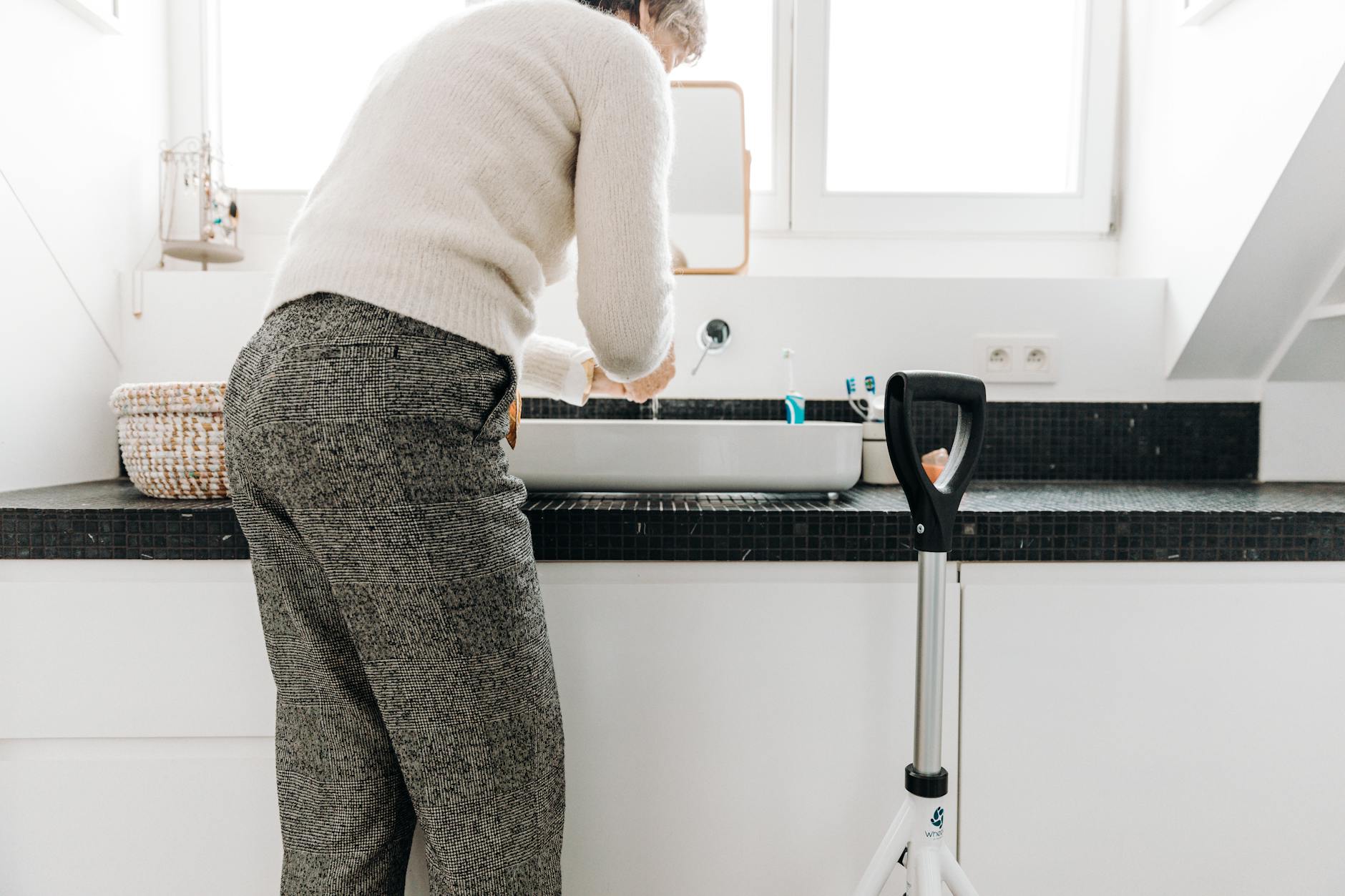
Vowst’s safety profile includes several considerations that are particularly relevant for older adults. Because the product is derived from human donor stool, it may carry a risk of transmitting infectious agents, though donors and stool undergo rigorous screening. The capsules may also contain food allergens, which should be discussed with the prescribing physician, especially for patients with known allergies. The requirement to avoid antibiotics within 72 hours of the Vowst course demands careful coordination in patients who are prone to infections and may be on prophylactic or as-needed antibiotics.
For dementia patients specifically, the practical challenge is compliance. Four capsules daily for three days requires that the patient or their caregiver reliably administer the medication on schedule. Swallowing difficulties, which are common in later-stage dementia, could be a contraindication since the capsules must be swallowed whole, not crushed or chewed. Families should have an honest conversation with the care team about whether their loved one can realistically complete the treatment course before the prescription is filled and the significant cost is incurred.
What the Future Holds for Microbiome-Based Therapies
The American Gastroenterological Association now recommends fecal microbiota transplantation for the majority of recurrent C. difficile patients, as formalized in their 2024 guidelines. This institutional endorsement signals that microbiome-based treatments have moved from experimental curiosity to standard of care for CDI. Research is also ongoing into applications for inflammatory bowel disease, metabolic syndrome, and solid tumor malignancies, though the AGA recommends against FMT for IBD and irritable bowel syndrome outside of clinical trials at this time.
A 2025 review paper titled “Fecal Microbiota Transplantation in 2025: Two Steps Forward, One Step Back” captures the current moment well. The science is advancing rapidly, with real products now available and real patients benefiting, but questions about long-term safety, optimal donor selection, cost accessibility, and expansion beyond C. difficile remain unresolved. For caregivers watching a loved one suffer through recurrent gut infections, the existence of Vowst is a concrete step forward, even as the broader promise of microbiome medicine continues to unfold.
Conclusion
Vowst represents a genuine breakthrough for patients trapped in the cycle of recurrent C. difficile infection, particularly older adults for whom invasive procedures carry outsized risk. The clinical data is strong: 88 percent of patients avoided reinfection at eight weeks, and the oral route of administration makes treatment accessible in ways that prior options did not. For dementia caregivers navigating a loved one’s recurrent CDI, this pill offers a path that avoids colonoscopy, reduces hospitalization, and may break the antibiotic-recurrence cycle that accelerates decline. The barriers are real, though.
A price tag approaching $20,000 per course, uncertain insurance coverage for Medicare patients, the need for careful coordination around antibiotic timing, and practical concerns about swallowing in advanced dementia all require honest discussion with the medical team. If someone you care for is dealing with recurrent C. difficile, ask their gastroenterologist or infectious disease specialist specifically about Vowst, inquire about the co-pay assistance program, and confirm that the treatment course is feasible given their current cognitive and physical status. The option now exists. Making it work for each individual patient takes planning.
Frequently Asked Questions
Is Vowst the same as a traditional fecal transplant?
Not exactly. Traditional fecal transplants involve processing raw donor stool and delivering it via colonoscopy, enema, or nasal tube. Vowst contains purified spore-forming Firmicutes bacteria from screened donor stool, manufactured into capsules under FDA-regulated conditions. The goal is similar, restoring healthy gut bacteria, but the product is standardized and taken orally.
Can someone with dementia safely take Vowst?
It depends on the stage of disease. The capsules must be swallowed whole over three consecutive days. Patients with significant swallowing difficulties, common in later-stage dementia, may not be candidates. Discuss feasibility with the care team before filling the prescription.
Does Medicare cover Vowst?
Coverage varies by plan and is not guaranteed. Medicare Part D plans may cover it with prior authorization, but cost-sharing can be significant. The Vowst Co-pay Savings Program is available for commercially insured patients but does not apply to Medicare or Medicaid beneficiaries.
How soon after antibiotics can someone start Vowst?
Patients must wait at least 72 hours after their last dose of any antibiotic before beginning the three-day Vowst course. This timing needs to be carefully coordinated, especially for older adults who may be on multiple medications.
Are there serious side effects?
The most commonly reported side effects in clinical trials were mild gastrointestinal symptoms. Because the product is derived from human stool, there is a theoretical risk of transmitting infectious agents, though rigorous donor screening minimizes this risk. The capsules may also contain food allergens.
What happens if Rebyota becomes unavailable?
As of late 2025, Ferring Pharmaceuticals is exploring strategic options for Rebyota and has reduced U.S. commercial efforts, though patient access continues. Vowst remains available and may become the primary FDA-approved fecal microbiota option. Patients currently on Rebyota should discuss alternatives with their physician.