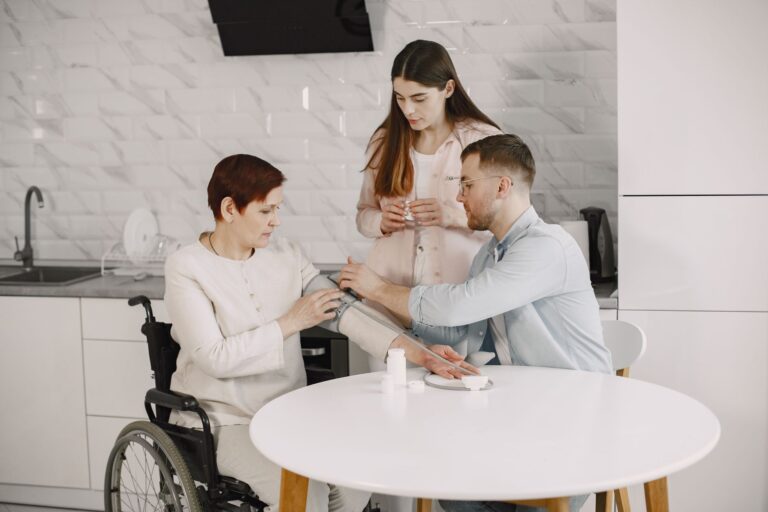
Yes, evidence-based dementia caregiver programs are expanding in 2026 through Medicare's GUIDE Model and community grants. Family caregivers can get practical help by asking local programs about GUIDE enrollment, the named training used, and how respite is arranged.
Evidence-based means the training was tested and listed for agencies to adopt. GUIDE stands for Guiding an Improved Dementia Experience, a voluntary nationwide test for people with dementia and their unpaid caregivers. A local Dementia Care Program provides a navigator and coordinated support for both the patient and the family caregiver.
Medical information disclaimer: This article is for general educational purposes only and does not provide medical advice, diagnosis, or treatment. Always consult a physician or other qualified health professional about symptoms, medications, tests, or treatment decisions.
Table of Contents
- How programs are growing in 2026
- What trained help actually provides
- Who qualifies for Medicare-covered help
- What to ask your local program
How programs are growing in 2026
National growth is visible in provider counts. EIN News reports nearly 400 organizations are building Dementia Care Programs nationally. The work includes PocketRN with Modivcare and Abramson Senior Care, a shift beyond early pilot sites in 2025 and 2026. MedBetterHealth announced expansion into New York on Feb. 9, 2026.
It partnered with Continental Home Care for the work. Qualifying families receive Medicare-covered navigation with home-health respite support. The Administration for Community Living opened 2026 grants for Dementia Capable States and Communities. Applications are due July 22, 2026. The grants support home- and community-based dementia services and caregiver supports.
What trained help actually provides
Family Caregiver Alliance, reporting on the CMS model, describes hands-on program help in its Family Caregiver Alliance report on GUIDE. Participating programs provide a care navigator, 24/7 support line, caregiver training, care coordination, and community referrals. Respite is short-term relief care. They also offer up to $2,500 per year in respite care at no cost-sharing. National Academy for State Health Policy materials, citing ACL-approved options, point agencies to Best Practice Caregiving. The directory from Family Caregiver Alliance and Benjamin Rose Institute on Aging lists more than 40 vetted programs.
Examples include REACH, Savvy Caregiver, and Powerful Tools for Caregivers. Savvy Caregiver is a six-week training that teaches dementia understanding, behavior coping, communication, skills, and self-care for confidence and less stress. USC researchers estimated high family costs in a June 24, 2026 study in Alzheimer's and Dementia. The team put 2026 U.S. dementia costs at $818 billion, with families bearing over three times health-system costs. Reduced quality of life totaled $320 billion, according to the USC Schaeffer Center account shared via MedicalXpress report on the 2026 estimate.
Who qualifies for Medicare-covered help
The Centers for Medicare and Medicaid Services describes GUIDE as a voluntary nationwide eight-year test that began July 1, 2024 and continues through 2026 in its GUIDE model page. It serves Medicare beneficiaries with dementia and unpaid caregivers. Use in 2026 depends on meeting program rules and finding a participating provider.
Under CMS eligibility rules, GUIDE requires traditional Medicare Parts A and B and living at home. It excludes hospice care and nursing-home residence. Caregivers should confirm these points first because rules affect access to navigation and respite.
What to ask your local program
Call the program and ask for names and steps. General promises do not show fit. Specific answers show whether staff use tested training and can unlock respite.
If the program is not GUIDE-enrolled, ask for a referral to one that is. Bring Medicare details and a short list of daily care tasks to the first call. End the call with a written plan for navigator contact and respite booking.
- Are you enrolled in GUIDE as a Dementia Care Program, and who serves as navigator?
- Which named curriculum do you teach, such as Savvy Caregiver, REACH, or Powerful Tools for Caregivers, and what is the schedule?
- How do we access the yearly respite benefit, including hours, providers, and booking steps?
- If GUIDE does not fit, which community dementia services or Best Practice Caregiving options do you offer?
You Might Also Like
- Evidence-Based Dementia Caregiver Programs Expanding in 2026: What the Report Establishes and Leaves Unanswered for Family Caregivers
- Evidence-Based Dementia Caregiver Programs Expanding in 2026: What the Report Means for Adult Children
- UAS-CLEAR Dementia Care Research Data Priorities in 2026: What the Findings Mean for Family Caregivers