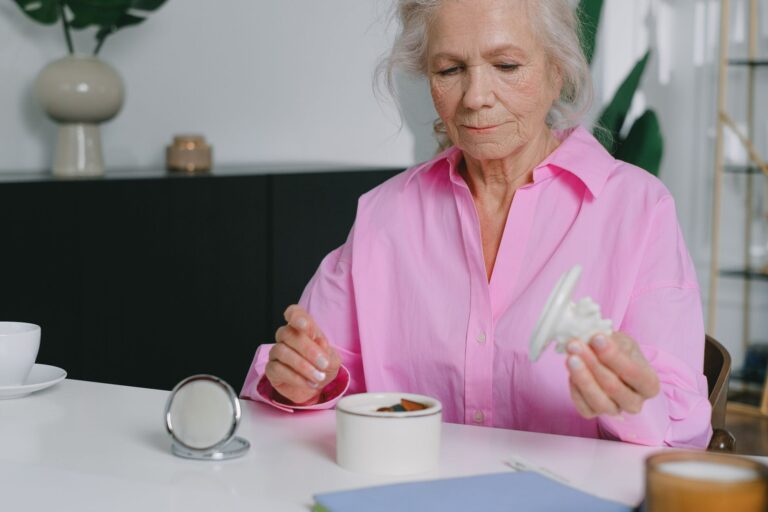
Enlarged pores sits at the center of this dementia and brain health question.
Enlarged pores are not a disease or disorder—they’re simply openings in your skin that appear more visible than you’d prefer. What they mean for your skin depends on several factors: your genetics, how much oil your skin produces, sun exposure over your lifetime, and your age. For most people, pores are largely predetermined by inheritance and sebum production, which is the amount of oil your skin naturally generates. This matters because the stronger predictors of visible pore size are not your skincare routine or age alone, but rather the combination of your genetic blueprint and how much oil your skin produces.
While you cannot fundamentally change your pore size—since pores themselves are a normal, necessary part of skin anatomy—understanding what causes them to appear enlarged can help you manage their appearance and prevent them from becoming more pronounced over time. Visible pores affect people differently. Some people have always noticed theirs, while others see them become more apparent in their thirties or forties. This article explores what causes enlarged pores, why different groups of people experience them differently, what professional and at-home treatments can realistically do, and how to make informed decisions about whether treatment is right for you.
Table of Contents
- What Actually Causes Pores to Look Enlarged?
- How Sun Damage Enlarges Pores Over Decades
- Why Pore Size Differs Dramatically by Ethnicity and Hormones
- What Professional Treatments Can Actually Accomplish
- At-Home Prevention and Management Strategies
- The Reality of Pore Treatments and Expectations
- Deciding Whether Pore Treatment Is Right for You
- Conclusion
What Actually Causes Pores to Look Enlarged?
The fundamental answer is straightforward: pore size is primarily a matter of genetics. Just as your height, eye color, and natural hair texture are inherited traits governed by multiple genes, so is your pore size. Pore size and pore number are polygenic traits, meaning many different genes contribute to your outcome. This genetic predisposition accounts for the majority of variation in pore size between individuals, which is why some people have naturally small, barely visible pores while others have noticeably larger ones regardless of their skincare habits. However, genetics is not the complete story. The second major factor is sebum production—the amount of oil your skin naturally generates.
Research shows that increased sebum output is directly correlated with larger-appearing pores. This is because excess oil accumulates in and around the pore opening, making it more visible. The relationship is strong enough that sebum production is considered the single strongest predictor of visible pore size. This is why people with oily skin often complain about enlarged pores more than those with dry skin, and why pores in the T-zone (forehead, nose, chin) tend to be more noticeable—this area produces significantly more oil than other facial regions. Age and sex also play measurable roles. Enlarged pore sizes are statistically associated with increased age and male sex, though this association is partially explained by higher sebum production in males. Additionally, hormonal fluctuations in female patients can affect pore appearance, with changes occurring throughout the menstrual cycle, which explains why some women notice their pores look different at different times of the month.

How Sun Damage Enlarges Pores Over Decades
One of the most significant—and preventable—causes of enlarged pores is sun damage accumulated over your lifetime. Prolonged UV exposure does something specific to skin structure: it decreases collagen and elastin, the proteins that give skin its firmness and elasticity. When these structural proteins break down, the skin loses its ability to remain taut. As skin sags and loses elasticity, the pores stretch and become more noticeable, even if the actual pore size hasn’t increased. This is a mechanism of premature aging that compounds over decades. This matters because it’s the one major factor affecting pore appearance that you can actually control.
Someone who spent their twenties and thirties at the beach or in the sun without protection may see noticeably enlarged pores by their forties and fifties, even if they had smaller pores as a younger person. Conversely, someone who has consistently used sunscreen and limited sun exposure may maintain tighter, less visible pores well into middle age. The difference isn’t their genes—it’s the cumulative effect of UV protection versus exposure. However, there’s an important caveat: sun protection cannot shrink pores that are already enlarged. It can only prevent further deterioration and damage. If you’re in your fifties and have spent decades in the sun, starting sunscreen now won’t reverse the collagen loss that’s already occurred. The benefit comes from halting future damage, not undoing past exposure.
Why Pore Size Differs Dramatically by Ethnicity and Hormones
Pore size varies significantly across racial and ethnic groups due to genetic differences in skin structure. Research shows that people of Asian descent have the smallest average pore areas compared to other racial groups. In contrast, people of African and Indian ancestry typically have larger pores. This is not a matter of skincare quality or technique—it’s an intrinsic structural difference based on genetics and is completely normal variation in human skin. For women specifically, hormonal influences add another layer of complexity.
Beyond the menstrual cycle effects mentioned earlier, hormonal shifts during perimenopause and menopause can affect sebum production and skin elasticity, which in turn affects pore appearance. A woman might notice her pores look worse during phases of her cycle when her body produces more androgens (male hormones), which can increase sebum production. Understanding this can help contextualize why your pores might look different at different times rather than assuming something is wrong with your skin. This ethnic and hormonal variation matters when evaluating pore treatments. A treatment that’s highly effective for one person may have less impact for another due to underlying genetic differences. This is why dermatologists often adjust recommendations based on skin type and ethnicity, and why comparing your pore size to someone else’s results from a specific treatment may not predict your own outcomes.

What Professional Treatments Can Actually Accomplish
Several professional dermatological treatments have demonstrated effectiveness in reducing the appearance of enlarged pores, though it’s important to understand what they do and don’t accomplish. Radiofrequency (RF) microneedling is a minimally invasive treatment that combines radiofrequency wavelengths with microneedling to stimulate collagen remodeling around pores. By tightening the skin around the pore opening, it makes pores appear smaller without actually shrinking the pore itself. RF microneedling is considered both safe and effective for treating enlarged pores on the face and body, with results gradually improving over several weeks as collagen rebuilds. Other professional options include laser therapy, chemical peels, and microdermabrasion. Laser treatments work similarly to RF microneedling by stimulating collagen and tightening surrounding skin.
Chemical peels using stronger concentrations of acids than at-home products can deeply exfoliate and improve skin texture, making pores less prominent. Microdermabrasion physically removes the outer layer of skin, improving appearance through a different mechanism. The choice between these depends on your skin type, the severity of your concerns, and what your dermatologist recommends. However, there’s a critical limitation: none of these treatments actually shrink your pores’ actual size. They work by tightening surrounding skin or temporarily clearing debris from pores, making them appear smaller. Results are typically not permanent and require maintenance treatments to sustain the improvement. A person might invest in RF microneedling, see improvement for six months to a year, and then watch pores gradually become more visible again as new skin forms and collagen remodels over time.
At-Home Prevention and Management Strategies
Since most professional treatments are temporary and pore size is largely genetic, the most realistic approach to managing enlarged pores focuses on prevention and maintaining skin health through daily practices. The single most important step is daily sun protection using broad-spectrum, water-resistant sunscreen with SPF 30 or higher. This directly addresses the UV damage mechanism and prevents future collagen breakdown that would enlarge pores. Applying sunscreen every day, even on cloudy days, protects against the cumulative damage that makes pores increasingly visible with age. Chemical exfoliation using salicylic acid, glycolic acid, or lactic acid helps manage pore appearance by clearing excess sebum and dead skin from pore openings. These work more effectively than physical scrubs, which can irritate skin and potentially enlarge pores further.
Salicylic acid is particularly useful for oily skin because it penetrates oil more effectively than water-soluble exfoliants. Using a chemical exfoliant two to three times weekly can keep pores clearer and make them appear less prominent. Additionally, topical treatments containing retinoids improve cell turnover and skin texture, while niacinamide specifically helps balance oil production (potentially addressing the second-strongest predictor of pore size), and alpha hydroxy acids smooth the skin’s surface overall. Clay masks applied twice weekly can temporarily help remove oil from pores, though the effect is temporary. For people with very oily skin or oily T-zones, this can be a useful maintenance strategy that’s affordable and easy to incorporate at home. The key principle is consistency: no single product will dramatically change pore size, but combining daily sunscreen, regular chemical exfoliation, and targeted topical treatments creates an environment where pores appear their best given your genetic predisposition.

The Reality of Pore Treatments and Expectations
One of the most important facts about pore treatment is what dermatologists have learned through decades of practice: treatments that focus on shrinking large pores are not very effective because pore size is largely genetic and oil-production dependent. Instead, most dermatological approaches focus on preventing enlargement and addressing associated factors like increased sebum production and skin aging. This represents a fundamental shift in how dermatology approaches pores—from trying to change them to managing factors that make them worse.
This means if you have large pores due to your genetics, the realistic goal isn’t to make them small. The goal is to keep them clean and clear, prevent sun damage that would make them worse, and maintain collagen and elasticity so the skin around pores stays taut. For someone with naturally small pores, aggressive prevention can help them stay that way. For someone with naturally large pores, the same strategies prevent them from becoming noticeably larger over time.
Deciding Whether Pore Treatment Is Right for You
The decision to pursue professional pore treatments should be based on realistic expectations and personal priorities. If professional treatments appeal to you, understand that results are temporary and maintenance treatments will be needed. RF microneedling, for example, might improve your pore appearance for six to eighteen months, after which you’d need another session if you want to maintain the results. Cost considerations matter here—multiple maintenance treatments per year add up significantly.
For most people, consistent at-home skincare—particularly daily sunscreen and regular exfoliation—produces the best long-term results relative to time and cost invested. This approach prevents future deterioration and keeps pores in the best condition your genetics allow. If enlarged pores cause you genuine distress or significantly impact your quality of life, professional treatments are available. But if they’re a mild cosmetic concern, prevention-focused daily skincare is typically sufficient and more sustainable over decades.
Conclusion
Enlarged pores result from the intersection of genetics, sebum production, sun exposure, and age. While your genes determine your baseline pore size and you cannot fundamentally change your pores’ actual size, you have meaningful control over factors that make them appear worse or better. The most important step is daily sunscreen use, which prevents the UV damage and collagen loss that enlarges pores over time.
This single habit, combined with regular exfoliation and targeted topical treatments, represents the most effective, sustainable approach to managing pore appearance. If professional treatments appeal to you after understanding their temporary nature, options like RF microneedling and laser therapy can produce real improvements, though maintenance will be needed. The key is approaching pore management with realistic expectations and a prevention-focused mindset rather than hoping for permanent shrinking of pores.
You Might Also Like
- Wrinkles Explained What They Mean For Long Term Skin Health
- Ice Pick Scars Explained What They Mean For Skin Recovery
- Fine Lines Explained What They Mean For Skin Aging
For more, see NIH MedlinePlus — dementia.