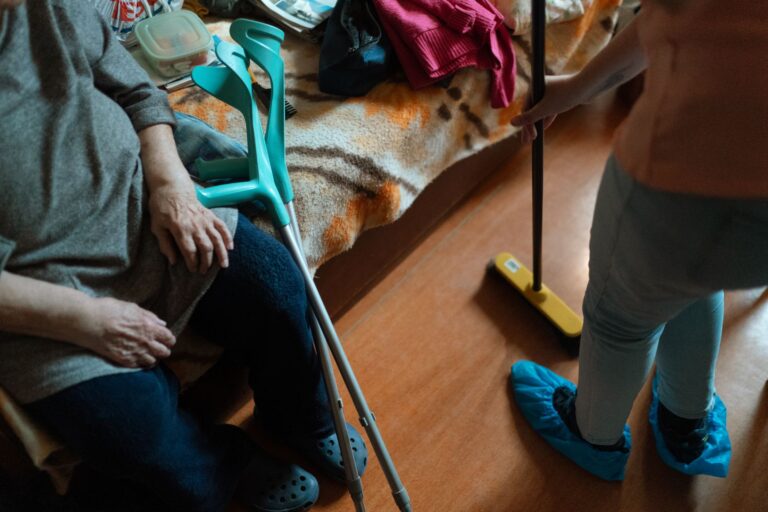
Empowering family members in the care loop means giving them real information, defined roles, and a seat at the table in every major decision about the person with dementia. It’s not about making family caregivers into medical experts or burdening them with full responsibility—it’s about building a system where everyone understands what’s happening, why certain choices are being made, and what their specific role is in the care plan. When a family sits down with a neurologist to discuss whether medication adjustments make sense for their parent’s particular stage of cognitive decline, or when an adult child is trained on how to communicate with their parent during moments of confusion rather than correcting them, that’s empowerment in action.
This approach works because dementia doesn’t just affect one person—it fundamentally changes the family system. The person with dementia benefits from consistent, informed family members who understand their medical situation and behavioral patterns. The professional care team works better when they have allies who can report what’s happening at home and follow through on strategies. And family members themselves do better when they’re included rather than sidelined or overwhelmed.
Table of Contents
- Who Should Be in the Decision-Making Loop, and When?
- Establishing Structured Communication With Medical Providers
- Defining Specific Care Responsibilities So No One Person Bears the Whole Weight
- Developing Care Protocols That Respect Autonomy While Providing Needed Support
- Managing Family Disagreements About Care Goals and Methods
- Understanding Legal Documents and Financial Planning as Core Empowerment Tools
- Knowing When Professional Support Systems Replace or Enhance Family Involvement
Who Should Be in the Decision-Making Loop, and When?
Not every family member needs to be involved in every decision, but there should be clarity about who has decision-making authority and who has input roles. Typically, one person serves as the primary decision-maker—often designated through legal documents like a healthcare power of attorney—but the most successful care arrangements involve 2-4 family members who each bring something to the table. One adult child might manage medical appointments and medications. Another might coordinate social activities and emotional support. A spouse might handle day-to-day care and safety monitoring at home. A sibling who lives far away might handle finances or coordinate respite care.
The danger of excluding family members or keeping information compartmentalized is that critical details slip through—a medication side effect noted at home never reaches the doctor, or a behavior change at an appointment isn’t connected to something the family saw weeks earlier. The timing of inclusion matters just as much as who’s included. Waiting until a crisis point to involve family members forces rushed decisions without context. More effective families begin these conversations early, when the person with dementia can still participate in discussing their own wishes and values. This might happen at a diagnostic appointment, or it might happen over coffee a few months after diagnosis when everyone has processed the initial shock. The conversation doesn’t need to solve everything at once—it can be brief and circled back to. The point is establishing the principle that family will be a coordinated team, not isolated individuals each doing their own thing.
Establishing Structured Communication With Medical Providers
Hospitals and medical practices vary widely in how they handle family involvement, and many providers are used to speaking primarily with the patient—which becomes problematic when the patient has memory loss or communication difficulties. Families need to establish communication channels proactively, not passively. This means ensuring that one or more family members are listed in the medical record with authorization to receive information. It means scheduling a specific conversation with the primary care physician or neurologist to explain the dementia diagnosis and ask about their preferred method for sharing test results, medication changes, or care concerns. Some clinics use patient portals where results post automatically; others prefer phone calls; some work best when a family member attends appointments to take notes.
The warning here is that information silos create dangerous blind spots. If the neurologist makes a medication change based on what they observe in a 15-minute appointment, but the family sees a completely different behavioral pattern at home, and neither group communicates with the other, the medication might be working poorly without anyone realizing it. Setting up a system—whether that’s email check-ins, a shared notebook at the clinic, or a monthly call between one family member and the care team—prevents these disconnects. Families should also clarify who gets called in an emergency and how. If the person with dementia lands in an emergency room, will they call the primary family contact, or will information get stuck with the patient who may not accurately describe the situation?.
Defining Specific Care Responsibilities So No One Person Bears the Whole Weight
A common pattern in families is that one person gradually becomes the sole primary caregiver—usually without formal agreement—while other family members drift into a peripheral role or no role at all. Years down the line, that one person is burned out, resentful, or simply can’t continue, and the system collapses because no one else has been trained or involved. Empowerment means deliberately dividing responsibilities and rotating them when possible. Consider a real family scenario: The oldest daughter manages medical appointments and medications, attending neurologist visits and filling prescriptions. The son handles finances, insurance, and legal documents.
The middle daughter coordinates social activities twice a week—taking their parent to a memory café on Tuesdays and helping with household activities on Fridays. The spouse manages day-to-day meals and personal care but has scheduled respite care every Saturday afternoon so they don’t deteriorate from 24/7 caregiving. A daughter who lives out of state does a weekly video call and helps research new medications or therapies when questions come up. This distribution means no single person is drowning, everyone has a defined role they understand, and if one person needs to step back temporarily, the system doesn’t collapse because others know their responsibilities. The trade-off is that coordinating this requires more initial planning and ongoing communication than letting one person do everything—but the payoff is sustainability and significantly lower caregiver burnout.
Developing Care Protocols That Respect Autonomy While Providing Needed Support
Empowerment also goes the other direction—giving the person with dementia as much autonomy as possible within the care structure. This is fundamentally different from the false choice between “letting them do whatever they want” (which can be dangerous if they’re cognitively impaired) or “treating them like a child” (which is infantilizing and damages dignity). The middle ground is protocol-based care: the family and caregivers develop clear, written approaches for common situations that balance safety with autonomy. For example, a protocol might say: The person with dementia can choose their clothes daily, but if they’ve worn the same outfit for four days straight and it needs washing, a family member will gently suggest a change rather than unilaterally removing the soiled clothing.
Another protocol might specify that the person can prepare their own breakfast if supervision is present (since stove safety is a concern), and if they forget they already ate breakfast and ask for breakfast again, the family will acknowledge the request without arguing but will gently redirect to a snack or lunch preparation. Comparison: A family without such protocols might argue with their parent about whether they ate breakfast, creating conflict and confusion. A family with protocols expects this pattern and has a pre-agreed response that’s kinder and more effective. These protocols need to be revisited as the disease progresses—what works at the mild stage won’t work at moderate or advanced stages.
Managing Family Disagreements About Care Goals and Methods
Families often disagree about dementia care, and these disagreements become painful when there’s no framework for resolution. One sibling might want aggressive medical treatment for every infection, while another prioritizes comfort and quality of life over longevity. One family member might believe the person with dementia should stay home as long as possible, while another thinks assisted living would provide better socialization and safety. These aren’t small philosophical differences—they drive real decisions about where someone lives, what medications they receive, and how medical emergencies are handled.
A critical warning: Conflicts that go unresolved often escalate into serious family rifts, or worse, into legal disputes where one family member challenges another’s medical decisions through guardianship courts. Prevention requires establishing a shared value system early and getting alignment on the person with dementia’s own wishes, preferences, and values before dementia progresses to the point where the person can’t communicate those wishes clearly. This often means having difficult conversations explicitly: “What kind of life quality matters most to Mom?” “How did Dad talk about what would matter to him if his memory got bad?” “What would she want if we’re facing a choice between prolonging life and maximizing comfort?” These conversations are uncomfortable, but they give the family a north star for making decisions together even when they disagree on specific choices. When disagreements still emerge—and they often do—having a trusted neutral facilitator (sometimes a social worker, chaplain, or ethics consultant) can help families work through different perspectives without family members feeling steamrolled or unheard.
Understanding Legal Documents and Financial Planning as Core Empowerment Tools
Many families put off legal planning because it feels morbid or complex, but actually, it’s one of the most direct ways to empower everyone involved. A healthcare power of attorney document clarifies who makes medical decisions if the person with dementia can’t. A financial power of attorney or trustee designation clarifies who manages money and assets. Advance directives or living wills clarify what kind of medical interventions the person does or doesn’t want under different scenarios. Without these documents, disagreements about who should make decisions can land in probate court, and the person with dementia’s own wishes might never be honored because there’s no legal proof of what they wanted.
A specific example: An 68-year-old man with early Alzheimer’s sits down with his adult daughter and a lawyer to create a healthcare power of attorney naming his daughter as his agent, with his son as alternate. The document also includes his statements about what matters to him—he says he’s willing to try treatment for infections but wouldn’t want to be on a feeding tube if swallowing became impossible. He also specifies he wants to remain at home as long as it’s medically safe. Two years later, his daughter makes a decision to treat pneumonia aggressively, which aligns with his documented wishes. When complications arise, her brother initially questions whether aggressive treatment was right, but the advance directive settles the matter without rancor. This same legal planning also clarifies that his daughter has authority to access his medical information, sign consent forms, and coordinate with doctors.
Knowing When Professional Support Systems Replace or Enhance Family Involvement
Family empowerment doesn’t mean families should provide all care themselves or that they become the sole support system. In fact, research on caregiver outcomes shows that families who integrate professional services—whether that’s a part-time home health aide, adult day programs, respite care, or eventual residential care—actually do better than families trying to handle everything on their own. The family’s role shifts to oversight, relationship maintenance, and care coordination rather than providing 24/7 hands-on care. Many families initially see professional care involvement as a failure—a sign they’re not doing enough.
In reality, it’s a recognition that dementia is a complex medical and social condition that requires both family involvement and professional expertise. A person with moderate dementia might spend three days a week at an adult day program while family members provide support and meals at home. A family member with the early-stage person with dementia might hire a geriatric care manager to coordinate medical appointments, assess the home for safety, and monitor for changes in cognitive or physical functioning. These arrangements free up family time for actual relationship and support rather than exhausting family members with logistics and physical caregiving. Studies show that when family members experience this kind of professional support structure, their own health outcomes improve and they report better relationships with their loved one because they’re less stretched.
- —