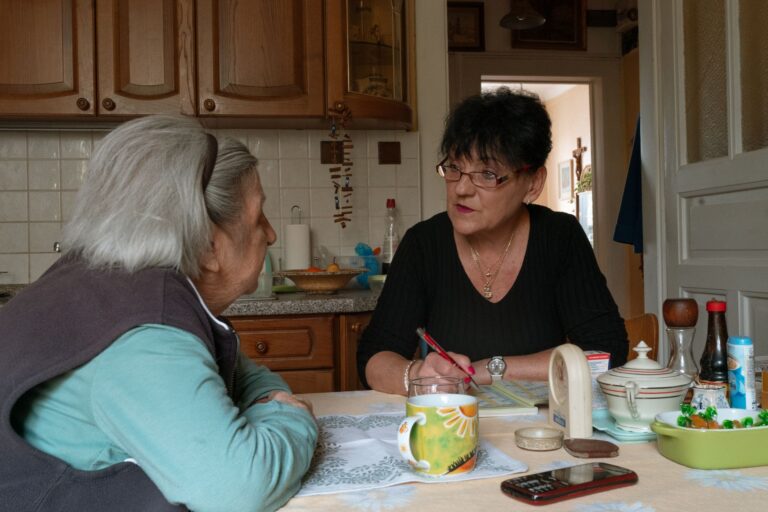
The 2026 NIA summary report makes early dementia detection across clinics and community programs a research priority. Long-distance caregivers can ask local programs how they screen, refer, and share results.
Early detection means spotting memory and thinking changes before a crisis forces decisions. NIA held its Dementia Care and Caregiving Research Summit virtually March 17-19, 2026. Its August 13 summary outlines gaps and priorities, according to the ARCH Quick News Update citing NIA.
Medical information disclaimer: This article is for general educational purposes only and does not provide medical advice, diagnosis, or treatment. Always consult a physician or other qualified health professional about symptoms, medications, tests, or treatment decisions.
Table of Contents
- What does "across care settings" cover?
- Does the program offer a brief thinking check?
- What happens after a concern is raised?
- How can you coordinate care from a distance?
What does "across care settings" cover?
A parent may see a primary-care clinic, a hospital team, and an aging-services program in one year. Each place can notice thinking changes, but each uses different staff and routines. UCSF geriatrician Anna Chodos discussed progress in early detection across those settings at the NIA summit, according to the UCSF Division of Geriatrics report.
For a distant caregiver, the practical point is connection. Ask the local program which settings it covers and where it sends people when more testing is needed. Clear handoffs matter more than any single test name.
Does the program offer a brief thinking check?
Many programs can start with a short structured check during a routine visit. Trained staff can complete an initial assessment in 10 minutes or less with tools such as AD8, QDRS, and Mini-Cog, according to the NIA caregiving FAQ.
Some versions can be completed by the patient or caregiver in the waiting room. Ask the intake nurse or program coordinator these questions:.
- Do you offer a brief memory or thinking check during routine visits?
- Who gives it, and can a family member help complete it?
- How do you share the result with a long-distance contact?
- What happens next if the result raises concern?
What happens after a concern is raised?
A brief check does not diagnose dementia. It signals whether closer review, medical follow-up, or watchful waiting fits the situation. Ask who explains the result, how soon follow-up happens, and what records the family receives.
Also ask how the result shapes care choices. Programs may adjust safety plans, medication review, driving discussions, or referrals to specialists and community supports. Get the name of one contact for updates, plus the best way to reach that person.
How can you coordinate care from a distance?
Distance makes written permission and routine updates essential. Ask how to join visits by phone or video, how test results enter the shared record, and how often the program repeats the check.
Keep a short file with dates, scores when given, referrals, and next steps. For local help, contact the Eldercare Locator online or at 800-677-1116, which NIA points new caregivers to for trustworthy local supports, as noted in the NIA caregiving FAQ. Call before a visit to confirm screening hours and what to bring.
You Might Also Like
- Early Dementia Diagnosis Economics in the 2026 NIA Report: Questions Long-Distance Caregivers Can Ask Local Care Programs
- The $781 Billion Dementia Economic Estimate in the 2026 NIA Report: Questions Long-Distance Caregivers Can Ask Local Care Programs
- Community-Academic Dementia Partnerships in the 2026 NIA Report: Questions Long-Distance Caregivers Can Ask Local Care Programs