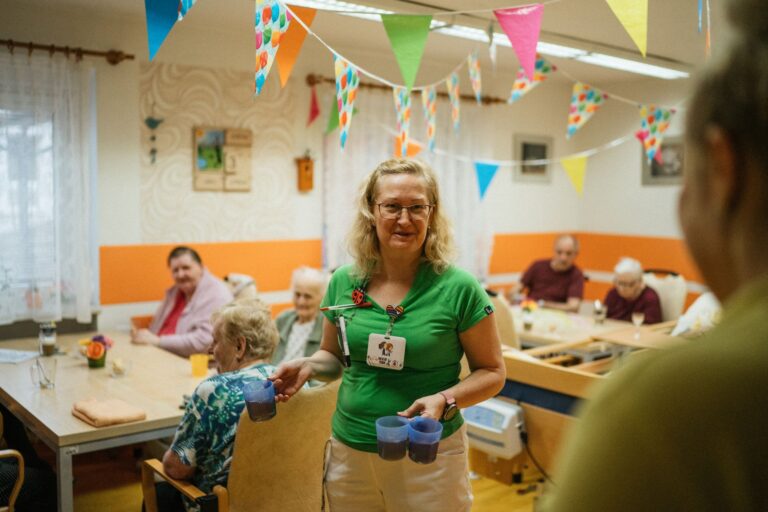
Most loved ones do not enjoy being alone in a nursing home. Most residents feel lonely, while a smaller group truly enjoys quiet solitude. Loneliness here means distress about feeling disconnected.
That difference matters for families. A resident who seeks quiet rest needs privacy. A resident who feels cut off needs more contact and support.
Medical information disclaimer: This article is for general educational purposes only and does not provide medical advice, diagnosis, or treatment. Always consult a physician or other qualified health professional about symptoms, medications, tests, or treatment decisions.
Table of Contents
- How is loneliness different from being alone?
- How common is loneliness in care homes?
- Who actually enjoys solitude?
- What can families do?
How is loneliness different from being alone?
The CDC distinguishes loneliness from social isolation, as explained in CDC guidance on social isolation and loneliness. Loneliness is distress about disconnection. Isolation means having objectively few contacts.
So a resident can feel lonely in a full dining room. The issue is lack of close connection, not lack of people nearby. Families should watch for sadness, withdrawal, or complaints about feeling left out.
How common is loneliness in care homes?
Loneliness is common. Gardiner and colleagues analyzed 13 studies with 5,115 care-home residents, mean age 83.5, and estimated 61% had moderate loneliness and 35% severe loneliness, as summarized in the Social Sciences review of care-home loneliness.
Lockdown experience showed the same pain. Periyakoil and colleagues found 60% of 30 seriously ill nursing-home residents reported loneliness during COVID-19 isolation. About 70% said isolation harmed them, often through missed time with family and friends.
Who actually enjoys solitude?
Some residents do choose time alone for healthy reasons. The Mather Institute found some residents seek solitude for reflection, restoration, and personal interests. Other residents withdraw to avoid discomfort or exclusion.
The Mather researchers call the first group Solitude Seekers, who enjoy alone time and report better well-being, as summarized by the HealthCap summary of the Seeking Solitude study. Wanting solitude does not equal being lonely. Positive motive brings rest. Negative motive brings distress.
What can families do?
Poor connection carries health risks. The National Academies link poor social connection in older adults to about 29% higher heart-disease risk, 32% higher stroke risk, and 50% higher dementia risk, plus higher depression, anxiety, and early death. Regular family contact helps.
Weekly videoconferencing reduced depression and loneliness for Taiwanese nursing-home residents in a BMC Geriatrics trial. Yale researchers also linked calls and emails to fewer negative emotions for long-term-care families. Estimates vary across homes and most evidence is observational, so treat rates as approximate and focus on each resident's stated preference.
- Ask what level of social time your loved one prefers.
- Schedule brief, regular video or phone contact.
- Protect quiet private space alongside group activities.
- Tell staff when alone time looks like sad withdrawal.