The core difference between a DHEA supplement and prescription prasterone is regulatory oversight. DHEA supplements, sold over the counter in the United States since the mid-1990s, are classified as dietary supplements and are not subject to the rigorous testing, standardized dosing, or manufacturing controls required of prescription drugs. Prescription prasterone, on the other hand, is pharmaceutical-grade DHEA that has gone through formal clinical trials and FDA approval for a specific medical indication.
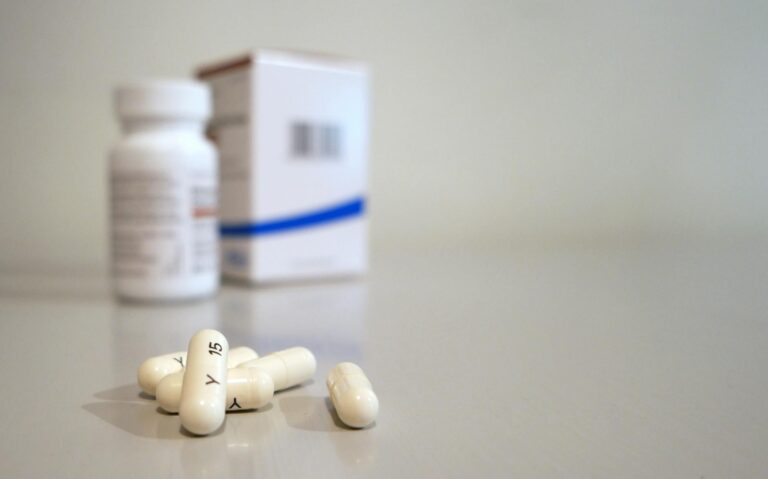
For example, Intrarosa (prasterone vaginal inserts) received FDA approval in 2016 for treating moderate to severe dyspareunia caused by vulvar and vaginal atrophy in postmenopausal women — a use that no over-the-counter DHEA supplement is legally permitted to claim. This distinction matters more than many people realize, especially for older adults managing cognitive decline, hormonal changes, or multiple medications. A supplement bottle labeled “DHEA 25 mg” may or may not contain exactly 25 milligrams of active compound, and it almost certainly has not been tested for the condition you are hoping to treat. This article breaks down what DHEA actually does in the body, how the supplement and prescription forms compare in terms of quality and regulation, what the research says about DHEA and brain health, and what practical considerations should guide your decision if you or a loved one is weighing these options.
Table of Contents
- What Exactly Is DHEA, and How Does It Relate to Prescription Prasterone?
- How Regulatory Differences Affect What You Actually Get
- What Research Says About DHEA and Brain Health
- Comparing Cost, Access, and Practical Tradeoffs
- Safety Concerns and Who Should Be Cautious
- Compounding Pharmacies as a Middle Ground
- Where the Science May Be Heading
- Conclusion
- Frequently Asked Questions
What Exactly Is DHEA, and How Does It Relate to Prescription Prasterone?
Dehydroepiandrosterone, universally abbreviated as DHEA, is a steroid hormone produced primarily by the adrenal glands. It serves as a precursor to both estrogen and testosterone, meaning the body converts it into these more potent hormones as needed. DHEA levels peak in early adulthood — typically in the mid-twenties — and then decline steadily with age. By the time someone reaches their seventies or eighties, circulating DHEA levels may be only 10 to 20 percent of what they were at peak production. This natural decline has fueled decades of interest in DHEA supplementation as a potential anti-aging intervention. Prasterone is simply the International Nonproprietary Name (INN) for DHEA when it is used as a pharmaceutical agent.
The molecule is identical. What differs is everything surrounding it: the manufacturing standards, the clinical evidence required for approval, and the legal claims that can be made about what it does. When a physician prescribes prasterone, they are working with a product that has been manufactured under Current Good Manufacturing Practices (cGMP) enforced by the FDA for drugs, tested in controlled clinical trials, and approved for a defined use with a known safety profile at a specific dose. A useful comparison is the difference between fish oil capsules from a health food store and a prescription omega-3 product like Vascepa. The active substance overlaps, but the prescription version has been held to a higher evidentiary and manufacturing standard. This does not automatically mean the supplement is worthless — it means the supplement occupies a gray zone where quality, potency, and efficacy are less certain.

How Regulatory Differences Affect What You Actually Get
The Dietary Supplement Health and Education Act of 1994 created the legal framework that allows DHEA to be sold without a prescription in the United States. Under this law, supplements do not need to prove they are effective before reaching store shelves. They only need to be generally recognized as safe, and the manufacturer is responsible for ensuring quality — with the FDA stepping in only after a problem has been reported. Independent testing organizations like ConsumerLab, NSF International, and USP have repeatedly found that supplement products can vary significantly from their label claims. Some DHEA supplements have been found to contain less active ingredient than advertised, while others contained more. Prescription prasterone, by contrast, must meet the standards of the FDA’s drug approval process.
The manufacturer of Intrarosa, for instance, had to demonstrate through Phase III clinical trials that the product worked for its stated indication and that its safety profile was acceptable. Every batch must meet strict identity, potency, and purity specifications. For someone managing a complex health situation — say, a 72-year-old woman with early-stage dementia who is also dealing with postmenopausal symptoms — the predictability of a prescription product is not a trivial advantage. However, if your interest in DHEA is more exploratory — perhaps you have read about its potential cognitive benefits and want to try a low dose — a prescription product may not be available or appropriate, since Intrarosa is approved only as a vaginal insert for a specific gynecological condition. There is currently no FDA-approved oral prasterone product for cognitive enhancement or general hormone replacement. This means that for many of the uses people are most interested in, the supplement form is the only accessible option, which makes choosing a reputable brand and consulting with a healthcare provider all the more important.
What Research Says About DHEA and Brain Health
The relationship between DHEA and cognitive function has been a subject of scientific inquiry for over two decades, and the results remain genuinely mixed. Several observational studies have noted correlations between low DHEA-sulfate levels and increased risk of cognitive decline or dementia in older adults. The biological rationale is plausible: DHEA and its sulfated form (DHEA-S) are found in high concentrations in the brain, where they appear to have neuroprotective and anti-inflammatory properties, and they may modulate neurotransmitter systems including those involving GABA and NMDA receptors. But correlation is not causation, and intervention trials have largely failed to show consistent cognitive benefits from DHEA supplementation. A well-known study published in the New England Journal of Medicine in 2006 found that two years of DHEA supplementation in older adults did not improve cognitive performance, body composition, or quality of life compared to placebo.
Smaller studies have occasionally reported modest benefits in specific subgroups — for instance, some research has suggested possible mood improvements in people with mid-life depression — but these findings have not been robust enough to change clinical practice. For families navigating a dementia diagnosis, this is important context. DHEA is not an established treatment for Alzheimer’s disease or other forms of dementia. Some integrative medicine practitioners do include DHEA in broader hormone-balancing protocols for aging patients, but this practice is based more on theoretical reasoning and clinical experience than on strong trial evidence. Anyone considering DHEA for cognitive purposes should do so with realistic expectations and under medical supervision, particularly because DHEA can influence levels of sex hormones and may interact with other treatments.
Comparing Cost, Access, and Practical Tradeoffs
Over-the-counter DHEA supplements are widely available and relatively inexpensive. A month’s supply of a common 25 mg or 50 mg DHEA supplement typically costs between five and twenty dollars at most pharmacies and health food stores, though prices fluctuate. Prescription prasterone is a different financial proposition entirely. As a branded pharmaceutical product, Intrarosa has historically carried a significantly higher price tag, potentially hundreds of dollars per month without insurance coverage. Insurance may or may not cover it depending on the plan and the indication. Access also differs geographically.
In several countries, including Canada and parts of Europe, DHEA is not available as an over-the-counter supplement and can only be obtained by prescription or through compounding pharmacies. This means the distinction between “supplement DHEA” and “prescription prasterone” is partly an artifact of American regulatory policy. A person in France taking prescribed DHEA from a pharmacy is getting a more controlled product than someone in the U.S. buying it off a shelf, even if neither is using the branded Intrarosa product. The practical tradeoff comes down to this: supplements offer affordability and easy access but uncertain quality and no approved medical claims, while prescription prasterone offers verified quality and clinical evidence but only for a narrow indication, at a higher cost, and with the requirement of a physician’s involvement. For someone primarily interested in potential cognitive or general wellness benefits, the supplement route is more accessible but requires more due diligence — choosing products with third-party verification seals like USP or NSF is a reasonable starting point.
Safety Concerns and Who Should Be Cautious
DHEA is a hormone, and treating it casually because it sits on a supplement shelf is a mistake. Because the body converts DHEA into estrogen and testosterone, supplementation can raise levels of these downstream hormones in ways that may not be desirable or safe for everyone. In women, potential side effects include acne, hair loss, facial hair growth, and deepening of the voice. In men, DHEA supplementation could theoretically promote prostate tissue growth, which is a concern for those with or at risk for prostate cancer. These effects are dose-dependent and more likely at higher doses, but individual responses vary considerably. People with hormone-sensitive conditions — including breast cancer, ovarian cancer, uterine cancer, prostate cancer, and endometriosis — are generally advised to avoid DHEA unless specifically directed by a physician.
DHEA can also interact with certain medications, including insulin, blood thinners, and drugs metabolized by the liver. For older adults who are often taking multiple medications, this interaction potential is not hypothetical. A person on anticoagulant therapy who adds DHEA without informing their doctor could be altering their drug metabolism without anyone monitoring for the change. There is also limited long-term safety data for DHEA supplementation, particularly at the higher doses sometimes promoted in anti-aging circles. Most clinical trials have studied supplementation over periods of months to a couple of years. What happens with a decade of daily DHEA use is not well characterized. This uncertainty is worth weighing honestly, especially when the proven benefits for any specific condition remain modest.

Compounding Pharmacies as a Middle Ground
Some people pursue a middle path between off-the-shelf supplements and branded prescription products by obtaining DHEA through a compounding pharmacy. A physician can write a prescription for DHEA at a specific dose and formulation — oral capsule, topical cream, sublingual tablet — and a compounding pharmacy will prepare it. This approach offers more dosing flexibility than commercial supplements and is made to a prescription standard, though compounding pharmacies are regulated differently than large-scale drug manufacturers and quality can still vary.
This route is particularly common in integrative and functional medicine practices where practitioners may prescribe DHEA as part of a broader bioidentical hormone protocol. For example, a clinician might order blood tests to measure a patient’s DHEA-S levels, determine that they are significantly below the reference range for their age, and prescribe a tailored dose from a compounding pharmacy with follow-up lab monitoring. This is a more individualized approach than simply buying a bottle at the drugstore, though it also tends to be more expensive and is often not covered by insurance.
Where the Science May Be Heading
Research interest in neurosteroids — the class of hormones that includes DHEA and its metabolites — continues to grow, particularly in the context of neurodegenerative disease. Some ongoing lines of inquiry are examining whether specific DHEA metabolites, rather than DHEA itself, might offer more targeted neuroprotective effects. There is also increasing interest in the relationship between adrenal hormone decline and the progression of Alzheimer’s pathology, though this work remains in relatively early stages.
Whether any of this translates into approved therapies for cognitive decline remains to be seen. The history of dementia research is littered with promising biological rationales that did not survive rigorous clinical testing. For now, DHEA — in any form — should be viewed as an area of active investigation rather than a proven intervention for brain health. Staying informed through reputable medical sources and maintaining open communication with healthcare providers is the most practical advice for anyone following this space.
Conclusion
The difference between a DHEA supplement and prescription prasterone is not the molecule — it is the regulatory framework, manufacturing standards, and clinical evidence surrounding the product. Over-the-counter DHEA is affordable and accessible but unregulated in meaningful ways, while prescription prasterone is held to pharmaceutical standards but approved only for a narrow indication. For those interested in DHEA’s potential cognitive or general health benefits, neither option offers a clear, evidence-based path, which makes informed decision-making and medical guidance essential.
If you or a family member is considering DHEA in the context of aging or cognitive health, start by discussing it with a physician who can review current medications, order baseline hormone levels, and help weigh the uncertain benefits against the real risks. Choose supplements that carry independent third-party testing certifications if you go the over-the-counter route. And maintain realistic expectations — DHEA is a hormone with genuine biological activity, not a miracle anti-aging pill, and the research on its cognitive benefits has yet to deliver the clear answers many people are hoping for.
Frequently Asked Questions
Is DHEA the same thing as prasterone?
Yes, chemically they are identical. Prasterone is the pharmaceutical name for DHEA when it is used as an approved drug product. The difference lies in how the product is manufactured, tested, and regulated — not in the molecule itself.
Can I buy prescription prasterone for brain health?
Not currently. The only FDA-approved prasterone product as of recent reports is Intrarosa, which is a vaginal insert approved for a specific postmenopausal condition. There is no FDA-approved oral prasterone for cognitive enhancement or dementia prevention.
Is over-the-counter DHEA safe for older adults?
DHEA is generally tolerated at low doses in short-term studies, but it is a hormone that can alter estrogen and testosterone levels. Older adults, especially those on multiple medications or with hormone-sensitive conditions, should consult a physician before starting DHEA.
How do I choose a reliable DHEA supplement?
Look for products that have been tested by independent third-party organizations such as USP, NSF International, or ConsumerLab. These certifications indicate that the product contains what its label claims and is free of major contaminants.
Will my insurance cover prescription prasterone?
Coverage varies widely by plan and by indication. Intrarosa may be covered for its approved gynecological use, but off-label uses of compounded DHEA are typically not covered. Check with your insurance provider for specifics.