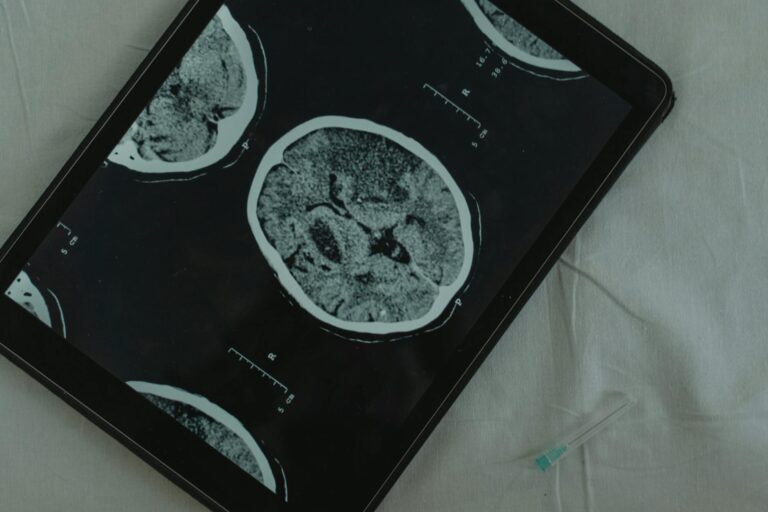
**Dementia’s Impact on Language: Communication Challenges and Solutions**
Dementia, including Alzheimer’s disease, affects how people communicate. As the condition progresses, it can become increasingly difficult for individuals to find the right words, understand conversations, and express themselves clearly. This article will explore the communication challenges faced by people with dementia and provide practical solutions to help them and their caregivers.
### Understanding the Challenges
**Word-Finding Difficulties**
People with dementia often struggle to find the right words. This can lead to long pauses or the use of incorrect words. For example, they might say “thingy” instead of “phone” or “where’s my…?” instead of “where’s my keys?”[4].
**Memory Loss**
Dementia can cause memory loss, making it hard for individuals to remember names, events, or even recent conversations. This can lead to confusion and frustration, especially if they are asked about the past or specific details[2][5].
**Confusion and Frustration**
As dementia progresses, individuals may become easily confused or frustrated. They might have trouble following conversations, especially if there are multiple topics or complex sentences. This can make them feel overwhelmed and disrespected[2][5].
### Practical Solutions
**Simplify Your Communication**
When talking to someone with dementia, use simple and clear language. Break down complex thoughts into short, manageable sentences. Avoid using jargon, long explanations, or abstract concepts[2].
**Speak Slowly and Clearly**
Speak slowly and clearly, pausing between sentences to allow the person to process the information. Maintain a calm and patient tone of voice. This helps them understand better and feel more at ease[2].
**Use Nonverbal Communication**
Nonverbal cues like facial expressions and body language can complement spoken words. Smile to show warmth and encouragement. Maintain eye contact to indicate attention and respect. Use gentle gestures to reinforce verbal instructions[2][3].
**Be Patient and Avoid Interrupting**
Give the person enough time to think and respond. Avoid interrupting or completing their sentences, as this can make them feel pressured or disrespected. If they struggle to find the right word, gently offer prompts or encouragement[2].
**Minimize Distractions**
Engage in conversations in a quiet and comfortable environment. Turn off TVs, radios, or other noisy devices during conversations. Choose a well-lit space that feels calm and welcoming[2].
**Focus on One Topic at a Time**
Jumping between topics can confuse individuals with dementia. To ensure clarity, limit each talk to one topic. For example, if discussing dinner plans, avoid bringing up unrelated matters like errands or medical appointments[2].
**Use Visual Aids and Reminders**
Visual aids like pictures, diagrams, or written notes can assist in understanding and following a conversation. Use calendars, labels, and signs to reinforce key information. This helps them remember important details and stay focused[2][3].
**Validate Their Feelings**
Acknowledge the emotions of individuals with dementia. They may feel frustrated, anxious, or embarrassed about their condition. Say something like, “I understand this might be confusing. Let’s figure it out together.” This helps build trust and comfort[2].
**Encourage Social Interaction**
Social engagement can stimulate cognitive function and reduce feelings of loneliness. Encourage participation in group activities or casual chats with friends and family. Suggest simple group activities like storytelling, games, or shared meals[2].
### Additional Tools and Strategies
**Visual Aids and Symbols**
Icons, pictures, and symbols can be particularly helpful for those with cognitive impairments. Use communication books containing words, symbols, and pictures that individuals can point to when they need to communicate[3].
**Augmentative and Alternative Communication (AAC) Devices**
AAC devices, such as picture boards or speech-generating devices, can significantly enhance the communication abilities of individuals with severe speech or language impairments. These devices can convert