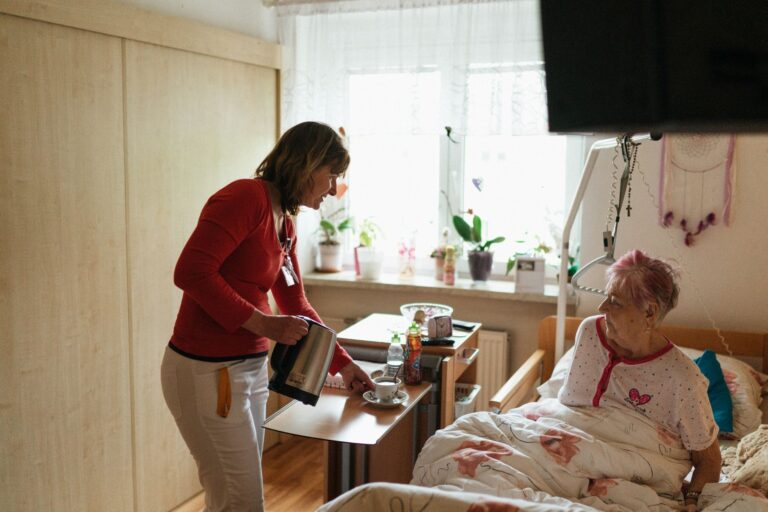
Sending key words before a video appointment helps a person with dementia with primary progressive aphasia follow the call and take part. Primary progressive aphasia (PPA) is a dementia syndrome that causes progressive loss of language function with other thinking skills relatively spared early on, according to a PMC/NIH article on PPA anatomy PPA anatomy review.
A short note with names, topics, and time lets the person read at their own pace before the screen conversation starts. Video calls move fast and leave little time to decode speech. Advance words plus a caregiver nearby lower that pressure and keep the visit focused on care decisions.
Medical information disclaimer: This article is for general educational purposes only and does not provide medical advice, diagnosis, or treatment. Always consult a physician or other qualified health professional about symptoms, medications, tests, or treatment decisions.
Table of Contents
- How PPA changes language
- Why video appointments need advance preparation
- What key words should you send?
- How to use the words during the call
How PPA changes language
PPA affects frontal and temporal language areas and often links to frontotemporal dementia. The Aphasia Library describes it as starting with mild speech impairment that worsens over time. Word-finding, sentence building, or word meaning can falter while memory for daily routines holds longer.
UCSF Memory and Aging Center recognizes three PPA variants — nonfluent/agrammatic, semantic, and logopenic — each with distinct speech and language features. That pattern matters for video calls because the person may understand the purpose yet struggle to follow rapid questions. Unlike stroke-related aphasia, UCSF notes, PPA does not typically improve, so care focuses on supporting current abilities and other ways to communicate.
Why video appointments need advance preparation
Video adds screen, sound, and timing demands to a language problem. The National Institute on Aging advises older adults to prepare for telehealth by adding the visit to a calendar, testing technology, and involving a family caregiver who can join from home NIA telehealth guide. A pre-call note fits that same preparation step.
Alzheimer Society guidance for dementia-friendly calls recommends explaining the video call in advance and sending a follow-up message to help the person remember details. For PPA, the advance part carries extra weight. It previews who will speak, what will be discussed, and what response is needed.
What key words should you send?
Speech-language guidance from the Northwestern Medicine and UMass Memorial health library advises repeating key words or writing them down to clarify meaning when speaking with a person with aphasia aphasia communication guidance. Send those same words before the call, not only during it. Keep the list short, large-print, and concrete.
Northwestern University aphasia experts also advise writing a key place or concept word on paper if the person looks confused, then pointing to yourself or the word. Use that tactic in the note. Write "PAIN — knee," "RIDE — clinic," or "CALL — pharmacist" rather than full sentences.
- visit reason: checkup, medicine review, care plan
- names and roles: Dr. Lee, nurse, daughter Ana
- time and length: Tuesday 10 a.m., 20 minutes
- three questions to be asked
- reply options: yes, no, need example
How to use the words during the call
Keep the same sheet visible on the table during the video. Say the key word, show it, then pause. Repeat the word in the same form instead of rephrasing, then point to the written copy.
Ask one question at a time and let the person point, read aloud, or gesture. Have the caregiver sit in view and hold up backup cards with the same words. Start by restating the agenda from the note, end by restating what was decided, and send the same three to five words again afterward as a reminder. That written loop supports memory and reduces repeat calls.
You Might Also Like
- Dementia With Primary Progressive Aphasia and a Strong Accent: Helping Clinicians Understand the Baseline
- Dementia With Primary Progressive Aphasia and Two Languages: Preparing Examples for a Speech Assessment
- Dementia With Primary Progressive Aphasia and Hearing Tests: Why Communication Assessments May Need Both