Reviewed by the Help Dementia Editorial Team — our editors review every article for accuracy against guidance from the National Institute on Aging, the Alzheimer’s Association, and peer-reviewed sources.
Severe stage dementia typically reduces life expectancy to 1-3 years from the time of diagnosis at that stage, though some patients survive longer depending on overall health, age, and the underlying cause of dementia. The transition to severe dementia marks a critical turning point where cognitive and physical decline accelerates dramatically—individuals can no longer communicate clearly, require total dependence for daily activities, and face increased vulnerability to life-threatening infections and organ complications. A 78-year-old diagnosed with severe Alzheimer’s disease, for example, might have a remaining lifespan of 18-24 months, whereas a 65-year-old with early-onset severe dementia could potentially live 3-5 years depending on how aggressively infections and other complications are managed.
The timeline is not fixed, however, and variability is substantial. Someone entering severe dementia at age 85 might decline more rapidly than someone at 70, partly because baseline health conditions become more significant in very advanced age. The cause of dementia matters too—vascular dementia (caused by stroke or blood vessel damage) often progresses more unpredictably than Alzheimer’s, while Lewy body dementia and frontotemporal dementia can follow their own distinct trajectories. Medical interventions, quality of nutrition, presence of infections, and family involvement in care all influence how long survival continues.
Table of Contents
- What Factors Most Influence Lifespan in Advanced Dementia?
- How Do Comorbidities and Health Conditions Affect Survival?
- What Physical Changes Occur in Severe Dementia and How Do They Relate to Survival?
- How Do Different Care Approaches Affect Life Expectancy in Severe Dementia?
- What Infections and Medical Crises Commonly End Life in Severe Dementia?
- How Do Age and Genetics Influence the Severe Stage Trajectory?
- What Should Families Expect and How to Prepare?
- Conclusion
What Factors Most Influence Lifespan in Advanced Dementia?
Age at diagnosis is perhaps the strongest predictor of remaining life expectancy. Individuals diagnosed with severe dementia in their 60s often live longer than those diagnosed in their 80s or 90s, not necessarily because dementia progresses more slowly, but because younger people typically have more physiological reserves to handle complications. A 62-year-old with frontotemporal dementia might survive 4-6 years in the severe stage, while an 88-year-old with similar progression might survive only 12-18 months. However, this is not absolute—a very frail 68-year-old with multiple comorbidities might decline faster than a healthier 80-year-old.
The specific cause of dementia substantially affects survival timelines. Alzheimer’s disease in its severe stage typically accounts for 8-10 years total disease duration from initial diagnosis (mild through severe), meaning severe stage might represent the final 1-3 years. In contrast, vascular dementia can show a more stepwise pattern, with periods of stability followed by sudden cognitive drops after mini-strokes, making the trajectory less predictable. Lewy body dementia introduces additional complications like severe movement problems (parkinsonism) and profound hallucinations that can accelerate physical decline. Frontotemporal dementia, especially the behavioral variant, can progress rapidly even when memory remains relatively preserved.

How Do Comorbidities and Health Conditions Affect Survival?
Underlying health conditions dramatically shape how long someone with severe dementia survives. Conditions like diabetes, heart disease, chronic obstructive pulmonary disease (COPD), and kidney disease all reduce life expectancy in severe dementia because they interact with dementia’s physical toll. A person with severe dementia who also has poorly controlled diabetes and heart failure might survive only 6-12 months, whereas someone with severe dementia but relatively good general health might live 2-4 years. This interaction is one reason why life expectancy estimates are so variable—dementia doesn’t occur in isolation.
Nutritional status and swallowing ability become critical considerations in severe dementia. As the disease progresses, many people lose the ability to eat safely, developing difficulty swallowing (dysphagia) that increases the risk of food or liquids entering the lungs, causing aspiration pneumonia. Some families and care teams choose to place feeding tubes at this stage, while others prefer comfort-focused care without artificial nutrition. The decision significantly impacts survival—tube feeding can prolong life by months or years, but it does not prevent the underlying dementia or address the reason why swallowing failed. Pneumonia remains one of the most common causes of death in severe dementia, sometimes called “the old person’s friend” because it offers a relatively quick endpoint compared to the slow decline of advanced dementia.
What Physical Changes Occur in Severe Dementia and How Do They Relate to Survival?
In severe dementia, the body undergoes profound physical changes that directly influence how much longer someone will survive. Most people lose the ability to walk and spend increasing time in bed or chairs. Muscle wasting accelerates—a process called sarcopenia—where muscles gradually atrophy from disuse and inadequate protein intake. The immune system becomes increasingly compromised, making severe dementia patients vulnerable to infections that a younger person might easily fight off. A urinary tract infection in a person with severe dementia can rapidly progress to urosepsis (bloodstream infection), which can be fatal within days if not treated, whereas the same infection in a healthier person might cause only mild symptoms.
Skin breakdown and pressure ulcers (bedsores) develop more easily in severe dementia because people cannot shift their body weight or communicate discomfort. These wounds can become infected and, in cases of severe neglect or poor care, lead to life-threatening sepsis. This is why consistent repositioning, good skin care, and attention to nutrition are considered essential elements of severe dementia care. Contractures—permanent tightening and shortening of muscles—develop over months, eventually limiting movement almost completely. The person may assume a fetal position and become increasingly rigid, which further increases infection risk and makes basic care more physically challenging.

How Do Different Care Approaches Affect Life Expectancy in Severe Dementia?
The choice between aggressive medical intervention and comfort-focused care significantly alters survival and quality of life in severe dementia. Families who elect aggressive treatment—including feeding tubes, antibiotics for every infection, hospital transfers, and CPR if the heart stops—often see longer survival times, sometimes by months. However, this approach frequently involves more hospitalizations, discomfort during medical procedures, and repeated courses of antibiotics that may breed resistant infections. A person with severe dementia who is hospitalized multiple times for pneumonia, experiences restraint during medical procedures, and receives aggressive medications may technically live longer but spend their final months in distress.
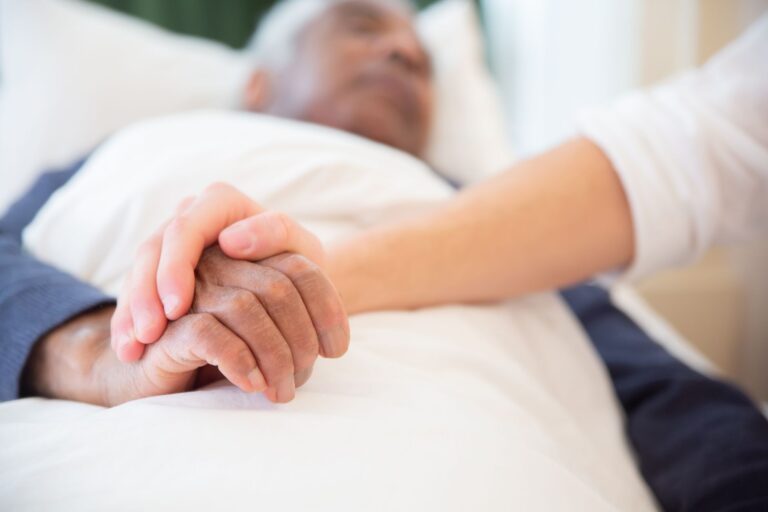
Comfort-focused or palliative care takes a different approach, prioritizing dignity, peace, and symptom relief over prolonging life. This might mean allowing natural death from infection rather than treating with antibiotics, focusing on pain management and gentle care, and keeping the person at home or in a home-like setting. While this approach typically results in shorter survival times—sometimes weeks or months shorter—many families report that their loved one seemed more peaceful and that the time was more meaningful. The tradeoff is significant: aggressive care may add time but subtract quality; comfort care may subtract time but preserve comfort and allow for meaningful goodbyes. There is no universally “right” answer, and the choice should align with the person’s documented wishes if known, or with family values and beliefs.
What Infections and Medical Crises Commonly End Life in Severe Dementia?
Aspiration pneumonia remains the leading infectious cause of death in severe dementia. This occurs when swallowing difficulties allow food, drinks, or oral secretions to enter the lungs, causing infection. Unlike typical pneumonia acquired through respiratory exposure, aspiration pneumonia develops from material originating in the mouth, making it particularly difficult to prevent even with meticulous care. A person in severe dementia might have multiple episodes of aspiration pneumonia, recover with antibiotics, only to develop it again weeks later as swallowing continues to decline.
Eventually, the lungs or body become too weakened to recover. Other common terminal events include urinary tract infections progressing to sepsis, stroke, myocardial infarction (heart attack), and sudden cardiac arrhythmias. Some people simply fail to thrive—they gradually eat and drink less, become increasingly weak, and eventually die from what might be called “failure to thrive” rather than any single acute event. One important limitation of predicting lifespan is that dementia deaths are rarely from dementia alone; they result from the intersection of advanced dementia, age-related decline, and acute medical events. This makes it impossible to say with certainty whether someone will live 6 more months or 3 years—both are plausible for someone newly entered into the severe stage.

How Do Age and Genetics Influence the Severe Stage Trajectory?
People with early-onset dementia (diagnosed before age 65) often show different survival patterns than late-onset dementia. Early-onset cases are sometimes more aggressive in their progression, potentially because the person has fewer age-related vulnerabilities to infections or other complications that would naturally shorten life. A 55-year-old in severe dementia might have different physiological responses to infections than an 85-year-old, potentially surviving longer if no major medical crisis occurs.
Conversely, some early-onset dementias like frontotemporal dementia can be particularly aggressive, shortening overall disease duration. Family history and genetic factors play a role, particularly in familial Alzheimer’s disease and hereditary forms of frontotemporal dementia. People carrying certain genetic mutations may show faster progression overall, including a more rapid transition through the severe stage. However, genetics alone do not determine lifespan—environmental factors, access to healthcare, quality of care, and the presence of other diseases all modulate how the genetic predisposition manifests.
What Should Families Expect and How to Prepare?
The transition into severe dementia marks a shift from managing cognitive decline to managing end-of-life care, and families often benefit from understanding this shift in advance. Conversations about goals of care, preferred location for end-of-life care (home, hospice facility, hospital), and whether to pursue life-sustaining interventions should ideally occur before the person reaches the severe stage, or as soon as possible after. These conversations are difficult but essential for ensuring that care aligns with the person’s values and the family’s capacity.
Looking ahead, advances in dementia research may eventually offer disease-modifying treatments that slow or halt progression, but currently no cure exists, and treatment options for severe dementia remain limited to symptomatic management and compassionate care. In the coming years, as the population ages and dementia prevalence increases, access to quality palliative and hospice care will likely become even more important. Families and caregivers are encouraged to connect with dementia support organizations, grief counselors, and hospice services early, as these resources can substantially improve both the person’s comfort and the family’s emotional wellbeing during this final stage.
Conclusion
Severe stage dementia typically results in a life expectancy of 1-3 years, though some individuals may survive longer depending on age, overall health, the type of dementia, and the intensity of medical interventions. The reality is that lifespan becomes highly variable at this stage, and accurate prediction is often impossible.
What matters most is shifting focus from fighting decline to ensuring comfort, maintaining dignity, and allowing time for meaningful connections with loved ones. Families facing this stage should seek guidance from healthcare providers, including palliative care specialists and hospice teams, to understand their options and make informed decisions aligned with their values. The severe stage of dementia, while undeniably difficult, can also be a time for presence, forgiveness, and closure if approached with compassion and realistic expectations about what medicine can and cannot accomplish.