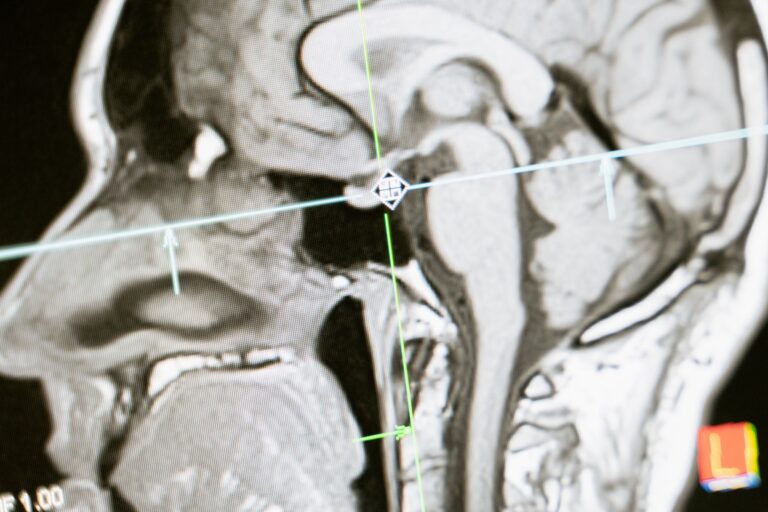
Dementia care sits at the center of this dementia and brain health question.
The lifetime cost of dementia care combined with funeral expenses totals approximately $413,462 to $413,762 per person in the United States. This figure combines the average lifetime dementia care cost of $405,262 with traditional funeral expenses of $8,200 to $8,500. For families managing a parent’s diagnosis of early-onset Alzheimer’s at age 58, this means planning for over $400,000 in expenses spread across decades of care—a reality that reshapes retirement plans, home equity decisions, and family financial security.
This article breaks down where these costs originate, which expenses fall to family caregivers, what facility care actually costs, and how funeral expenses factor into end-of-life planning. The financial burden of dementia extends far beyond medical bills. Approximately 70% of the $405,262 lifetime cost is borne by family caregivers through unpaid care and out-of-pocket expenses, rather than being covered by insurance or government programs. Understanding this cost structure is essential for anyone caring for a person with dementia, as early planning can make a significant difference in managing the financial crisis that often accompanies a diagnosis.
Table of Contents
- What Constitutes the $405,262 Lifetime Dementia Care Cost?
- How Much Does Daily Dementia Care Actually Cost?
- Breaking Down the Facility-Based Care Journey and Its Costs
- Understanding Funeral Costs as Part of the Total Lifetime Expense
- The Hidden Reality: Family Caregiving Costs and Lost Income
- Planning for Medicaid and Government Assistance
- The Evolving Landscape of Dementia Costs and Future Planning
- Conclusion
What Constitutes the $405,262 Lifetime Dementia Care Cost?
The $405,262 lifetime dementia care cost represents the total economic burden for one person with dementia, according to 2025 research from the USC Schaeffer Center. This is not simply the price of a memory care facility or nursing home—it encompasses medical care, long-term facility or home-based care, lost wages for family caregivers, transportation, medications, equipment, and countless smaller expenses that accumulate over 8 to 12 years of cognitive decline. When a 72-year-old receives a dementia diagnosis and lives with the disease for an average of 8 to 10 years, families typically navigate multiple care settings. The disease may begin with in-home care while the person still lives independently, shift to adult day programs or part-time care, transition to a memory care facility as needs increase, and sometimes move to a nursing home in final stages.
Each transition adds new costs and complexity. The U.S. total economic burden of dementia in 2025 reaches $781 billion annually—a staggering figure that underscores why individual family costs are so high. Medical and long-term care components account for $232 billion, while the value of unpaid family caregiving reaches $233 billion, representing approximately 6.8 billion hours of care provided at no cost to insurance systems or government programs.

How Much Does Daily Dementia Care Actually Cost?
Memory care facilities and nursing homes represent the largest direct costs for many families. A memory care facility median cost is $6,690 per month, or $80,280 per year as of 2026. Traditional nursing home care averages $100,375 per year. These costs assume the person requires supervised living in a specialized facility, not staying home with family or a paid caregiver. However, if your loved one remains in the home with family caregiving, the financial picture shifts dramatically—the burden moves from facility fees to lost wages, stress leave, equipment costs, and eventual burnout.
For families seeking alternatives to full-time facility care, adult day health care programs average $19,500 per year, allowing the person with dementia to remain at home while receiving supervision and activities during the day. This option preserves some independence, maintains family connections, and can delay the need for residential placement—but it works only for people in earlier dementia stages and requires a family member to provide evening and overnight care. The cost difference between care types is substantial. A family keeping a relative at home while using adult day care might spend $19,500 on programming plus expenses for medications, equipment, modifications, and occasional respite care—potentially $25,000 to $35,000 annually. The same person in a memory care facility could cost $80,000+ per year. Over a 10-year disease course, this difference compounds to hundreds of thousands of dollars, yet home-based care transfers the exhaustion and financial strain to family members who may lose job opportunities and income.
Breaking Down the Facility-Based Care Journey and Its Costs
Most families don’t choose a single care setting at diagnosis; they follow a progression as the disease advances. A person diagnosed with mild cognitive impairment might spend 2 to 3 years at home with occasional in-home care, costing $10,000 to $15,000 annually. As memory decline worsens, they move to a memory care facility at $6,690 per month—a monthly expense that feels shocking when first encountered. For someone living in a memory care facility for 6 years before moving to a nursing home, the cost is approximately $401,040 (6 years × 12 months × $6,690), not including any additional costs for specialized care, medications, or doctor visits.
In the final stages, many people transition to a nursing home where end-of-life care averages $100,375 per year. This higher cost reflects the medical complexity of advanced dementia—the person may require feeding tubes, pain management, wound care, and constant supervision. A 2-year stay in a nursing home costs approximately $200,750, pushing the total facility care costs for a 10-year disease course toward the $600,000 to $700,000 range before insurance contributions or Medicaid support. The variability across states, with memory care costs ranging from $5,000 to over $9,000 monthly depending on location, means families in high-cost areas face even steeper challenges.

Understanding Funeral Costs as Part of the Total Lifetime Expense
Funeral costs are often overlooked during dementia planning, yet they represent a significant final expense that adds to the cumulative burden. The average funeral cost in the United States is $7,726 when blending cremation and burial options. However, the choice between cremation and traditional burial makes a substantial difference. Direct cremation, which skips viewing and ceremony, averages $2,202. A traditional burial with viewing costs $8,200 to $8,500, while including cemetery and final expenses can push the total to $13,000 to $16,000.
For families already depleted by years of caregiving expenses and lost income, an unexpected $8,000 to $15,000 funeral bill can trigger a financial crisis. This is why funeral planning during earlier dementia stages, when the person with dementia can still express preferences, is important. Some families pre-plan and pre-pay funeral arrangements, locking in costs before inflation increases prices further. Others choose direct cremation to minimize expenses, allowing resources to go toward care rather than ceremonies. The trade-off is emotional—a full funeral ritual can provide closure and community support, while direct cremation offers financial relief but less formal acknowledgment of death.
The Hidden Reality: Family Caregiving Costs and Lost Income
The $405,262 lifetime dementia care cost includes approximately $233 billion in unpaid family caregiving value nationally—care provided by spouses, adult children, and relatives without compensation. This means that on an individual level, the cost structure shifts dramatically when family members provide care. A spouse who leaves their job to provide full-time care loses not only immediate income but also future retirement contributions, pension benefits, and Social Security credits. Over 10 years, this lost income and benefits can exceed $400,000 to $600,000 for a person in their peak earning years.
One critical limitation of the $405,262 figure is that it captures the total economic burden but masks who pays. Insurance and government programs (Medicare, Medicaid) cover approximately 30% of costs, leaving 70% to families. This means the actual out-of-pocket burden for many families may be $280,000 to $320,000, assuming no insurance gaps or catastrophic expenses. However, if Medicaid eligibility is limited by assets or the person requires specialized care not covered by the program, families may face the full $405,262 burden or additional costs beyond this estimate.

Planning for Medicaid and Government Assistance
Medicaid pays for facility-based and home-based long-term care, making it crucial for families facing dementia costs. Medicaid long-term care coverage requires the person to exhaust most assets (spending down to approximately $2,000 in some states) before the program begins paying facility costs. This strategy, called Medicaid planning, allows families to protect some assets while accessing government support for care.
However, understanding Medicaid rules requires careful legal and financial planning—mistakes can delay eligibility by months or create unnecessary tax penalties. A family with a parent diagnosed with dementia at age 72 and $400,000 in assets might plan to use $200,000 for the first 2 to 3 years of care while working toward Medicaid eligibility. Once assets fall below the Medicaid threshold, the program covers facility costs (approximately 80% of nursing home and memory care expenses in most states), significantly reducing out-of-pocket expenses for remaining care years. This planning requires consultation with an elder law attorney, as asset transfers and timing can affect Medicaid eligibility.
The Evolving Landscape of Dementia Costs and Future Planning
Dementia costs are rising faster than inflation. The 2025 total U.S. dementia economic burden of $781 billion represents a significant increase from previous years, reflecting both more diagnoses and higher costs for care.
As the Baby Boomer generation ages, dementia prevalence is projected to increase, potentially pushing national costs above $1 trillion by 2030. This trend means current cost estimates may underestimate what future families will face. For individuals and families planning today, the implications are clear: early financial planning, exploring long-term care insurance options while still insurable, and understanding Medicaid rules are essential strategies. The lifetime cost of $413,462 for combined dementia care and funeral expenses is substantial, but it’s manageable with advance planning, realistic expectations about care settings, and knowledge of available assistance programs.
Conclusion
The combined lifetime cost of dementia care and funeral expenses—approximately $413,462 to $413,762—represents one of the largest financial challenges families face. This total spans an average of 8 to 10 years of care across multiple settings, from memory care facilities at $6,690 monthly to nursing homes at $100,375 annually, ending with funeral costs of $8,200 to $15,000.
The burden falls disproportionately on family caregivers, who absorb approximately 70% of costs through unpaid care, lost wages, and out-of-pocket expenses. Planning for these costs begins with honest conversations about care preferences, exploration of Medicaid eligibility and planning, consultation with elder law attorneys, and realistic budgeting across the disease course. Understanding what each care setting costs, which expenses insurance may cover, and where to find assistance allows families to make informed decisions aligned with both their values and financial reality.
You Might Also Like
- How Much Does A Funeral Cost After Long Term Dementia Care
- How Dementia Changes End Of Life Costs Including Funeral Expenses
- How Dementia Impacts Final Expenses Including Funeral Bills
For more, see NIH MedlinePlus — dementia.