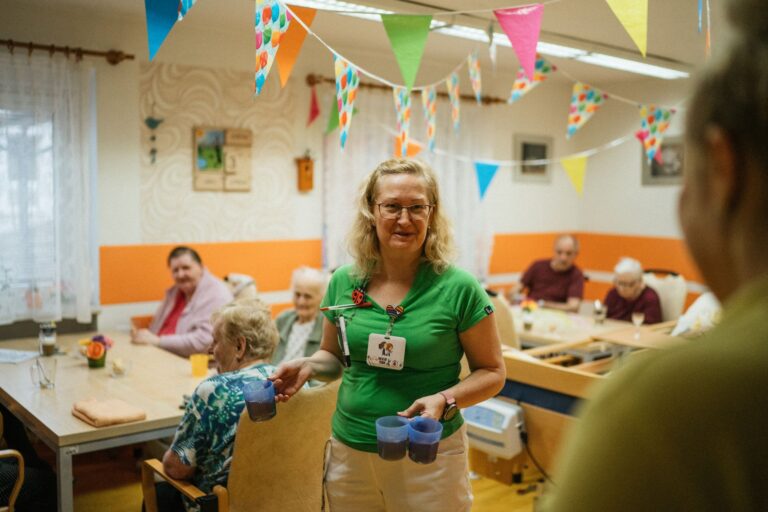
For dementia, shorter religious visits built around familiar prayers, music, and rituals work best. Aim for 30 minutes or less, keep the routine predictable, and sit where leaving early feels easy.
Dementia means ongoing loss of memory and thinking that makes crowded or changing settings harder to follow. Familiar faith practice can support connection and calm without demanding full attendance. A brief visit, a known song, and greeting familiar members can meet the need.
Medical information disclaimer: This article is for general educational purposes only and does not provide medical advice, diagnosis, or treatment. Always consult a physician or other qualified health professional about symptoms, medications, tests, or treatment decisions.
Table of Contents
- Why short visits hold attention better
- What to keep familiar
- How do you prepare the congregation?
- What if a full service is too much?
Why short visits hold attention better
An ACT on Alzheimer's church guide recommends short, simple services, noting 30 minutes or less can help someone with dementia stay engaged Dementia-Friendly Church Guide. Researcher Fayron Epps, reporting on the Alter program, says routine matters because missing lifelong church attendance can bring confusion and loss.
Short visits reduce fatigue, restlessness, and sensory overload. Familiar order lets the person recognize what comes next and take part.
What to keep familiar
New York State's EDGE Project says abstract theological discussion is not useful and directs use of familiar sensory cues worship ritual guidance. Those cues include prayer books, rosary, cross, candles, and familiar hymns to aid orientation.
The National Institute on Aging advises involving people with Alzheimer's in spiritual activities such as worship, readings, sacred music, prayer, meditation, and holiday rituals adapting activities guidance. Black churches in the Alter program use this approach, offering shorter services with familiar prayers and hymns.
How do you prepare the congregation?
The National Institute on Aging advises telling the preferred faith community about the Alzheimer's diagnosis so members can accommodate behavior and sustain inclusion. Memory-care guidance from North Woods Village suggests choosing early-morning, less-crowded services, using quiet rooms, or praying between regular services. Plan ahead with leaders and family:.
- visit at a calm time and sit near an exit
- bring a prayer book, rosary, or familiar hymn sheet
- agree on a signal for a quiet break
What if a full service is too much?
New York State's EDGE Project prescribes short faith-sharing experiences for residents who cannot attend full worship services. Memory-care guidance also points to a separate small worship group as an option.
Ask about a brief prayer, song, and blessing in a quiet room before or after the main crowd. Bring one familiar object, stay a few minutes, and leave before fatigue sets in.