When someone receives both a dementia diagnosis and a cancer diagnosis, life expectancy typically shortens compared to having either condition alone, but the degree depends heavily on the type and stage of each disease. A 2020 study published in JAMA Internal Medicine found that older adults with dementia who were diagnosed with cancer had a median survival of roughly 1.5 to 2.5 years, compared to 3 to 5 years for cancer patients without cognitive impairment. For a 78-year-old woman diagnosed with moderate Alzheimer’s disease and early-stage breast cancer, for instance, the clinical picture becomes complicated not because the diseases necessarily accelerate each other biologically, but because dementia limits treatment options, complicates informed consent, and makes symptom management far more difficult.
This dual diagnosis is more common than many families expect. Both dementia and cancer are diseases of aging, and as people live longer, the overlap between these two conditions continues to grow. Roughly 5 to 10 percent of cancer patients over age 65 also have some form of cognitive impairment. This article examines how these two diagnoses interact, what the research says about survival outcomes, how treatment decisions shift when dementia is present, and what families and caregivers should realistically expect when navigating both conditions at once.
Table of Contents
- How Does a Dual Diagnosis of Dementia and Cancer Change Life Expectancy?
- Why Dementia Severity Matters More Than the Diagnosis Itself
- The Biological Relationship Between Dementia and Cancer
- Making Treatment Decisions When Dementia and Cancer Coexist
- Underdiagnosis, Late Detection, and the Screening Gap
- Caregiver Burden and the Hidden Cost of Two Diagnoses
- Where Research and Policy Are Heading
- Conclusion
- Frequently Asked Questions
How Does a Dual Diagnosis of Dementia and Cancer Change Life Expectancy?
The clearest finding across multiple studies is that dementia independently reduces survival after a cancer diagnosis. A large population-based study from the Netherlands tracking over 100,000 cancer patients found that those with pre-existing dementia had significantly higher mortality at every cancer stage, even after adjusting for age, tumor type, and comorbidities. The gap was most pronounced in cancers that are typically treatable. For example, among patients with localized colon cancer, five-year survival dropped from around 65 percent in cognitively intact patients to below 30 percent in those with dementia. The cancer itself was no more aggressive, but the patients received less treatment.
This happens for several concrete reasons. Patients with dementia are less likely to undergo surgery, less likely to receive chemotherapy or radiation, and less likely to complete treatment courses even when they are started. Some of this is appropriate clinical judgment, as aggressive treatment in someone with advanced dementia may cause more suffering than benefit. But some of it reflects systemic gaps. Patients with cognitive impairment may not report symptoms that lead to earlier detection, and once diagnosed, they may not have advocates pushing for the same standard of care. The result is that dementia acts as a filter, reducing the intensity of cancer treatment a person receives, which in turn affects how long they survive with the cancer.

Why Dementia Severity Matters More Than the Diagnosis Itself
Not all dementia is created equal when it comes to predicting outcomes alongside cancer. Someone in the early stages of Alzheimer’s who still lives independently and communicates clearly is in a fundamentally different position than someone in late-stage vascular dementia who requires full-time nursing care. The severity of cognitive impairment at the time of cancer diagnosis is one of the strongest predictors of whether treatment will be pursued and whether the patient will survive. A study from the Journal of Clinical Oncology demonstrated that patients with mild cognitive impairment who received standard cancer treatment had outcomes only modestly worse than those without any cognitive issues.
However, if dementia had progressed to the moderate or severe stage, outcomes diverged sharply, not because the cancer behaved differently, but because treatment tolerability and adherence collapsed. A patient who cannot remember to take oral chemotherapy, cannot describe side effects to a nurse, or becomes severely agitated during radiation sessions presents real barriers to effective care. Families should understand that a dementia diagnosis alone does not dictate what happens next. The stage and trajectory of the dementia matter enormously, and an honest cognitive assessment at the time of cancer diagnosis is one of the most important steps in planning care.
The Biological Relationship Between Dementia and Cancer
An unexpected finding in epidemiological research is that dementia and cancer appear to have an inverse biological relationship. Multiple large studies, including data from the Framingham Heart Study, have found that people with Alzheimer’s disease have a lower risk of developing cancer, and cancer survivors have a lower risk of developing Alzheimer’s. The reduction is not trivial, with some estimates suggesting a 30 to 40 percent lower risk in each direction. The leading hypothesis involves cellular growth pathways. Cancer is fundamentally a disease of excessive cell growth and resistance to cell death.
Alzheimer’s and other neurodegenerative conditions involve excessive cell death and an inability to maintain cellular function. The molecular mechanisms that predispose someone to one condition may actually protect against the other. Genes involved in tumor suppression, like p53, promote apoptosis, which is cell death, and overactive apoptotic pathways might contribute to neurodegeneration while simultaneously reducing cancer risk. This does not mean having dementia prevents cancer or vice versa. Both diseases are common enough that they co-occur regularly. But it does suggest that when they appear together, the biological terrain may be somewhat unusual, and clinicians should avoid assuming the conditions will behave exactly as they would in isolation.
Making Treatment Decisions When Dementia and Cancer Coexist
Treatment planning for someone with both dementia and cancer forces difficult tradeoffs that families are rarely prepared for. The central question is whether the potential benefit of cancer treatment outweighs the certain burdens it imposes on someone whose quality of life is already compromised by cognitive decline. There is no universal answer, and anyone who offers one is oversimplifying. For early-stage, highly curable cancers, treatment often still makes sense even in people with mild to moderate dementia. A straightforward surgical procedure to remove a small, localized tumor may add years of life with minimal disruption.
Compare that to multi-drug chemotherapy for advanced lung cancer in someone with moderate Alzheimer’s, where the treatment itself can worsen confusion, cause falls, and require repeated hospitalizations that accelerate cognitive decline. Hospitalization is a known risk factor for delirium in dementia patients, and delirium frequently leads to a permanent step down in cognitive function. In practical terms, a course of chemotherapy that might extend life by four months could simultaneously advance dementia progression by that same amount or more, leaving the patient in a worse overall state than if the cancer had been managed with palliative care alone. Geriatric oncology teams, where they exist, specialize in weighing these tradeoffs. Families should seek them out rather than relying solely on either a neurologist or an oncologist working in isolation.
Underdiagnosis, Late Detection, and the Screening Gap
One of the most significant but underappreciated problems with the dual diagnosis is that cancer in dementia patients tends to be caught later. People with advancing cognitive impairment are less likely to attend routine screenings. They may stop getting mammograms, colonoscopies, or skin checks, either because they forget, because caregivers do not prioritize them, or because clinicians quietly decide that screening is no longer appropriate. Guidelines from the American Cancer Society and U.S. Preventive Services Task Force generally recommend against cancer screening when a patient’s life expectancy is estimated at less than 10 years, and many dementia patients fall into that category. The limitation of this approach is that it relies on accurate life expectancy estimates, which are notoriously unreliable for dementia.
Someone diagnosed with early Alzheimer’s at 72 may live another 12 to 15 years. If screening stops at diagnosis, a treatable cancer could go undetected for years. There is also an ethical dimension that makes clinicians uncomfortable. Deciding not to screen someone for cancer because they have dementia can feel like writing off their remaining life, particularly when the dementia is still mild. Families should have explicit conversations with their medical team about what screening will and will not continue, and why. Passive discontinuation of screening without discussion is a failure of communication, not a medical decision.
Caregiver Burden and the Hidden Cost of Two Diagnoses
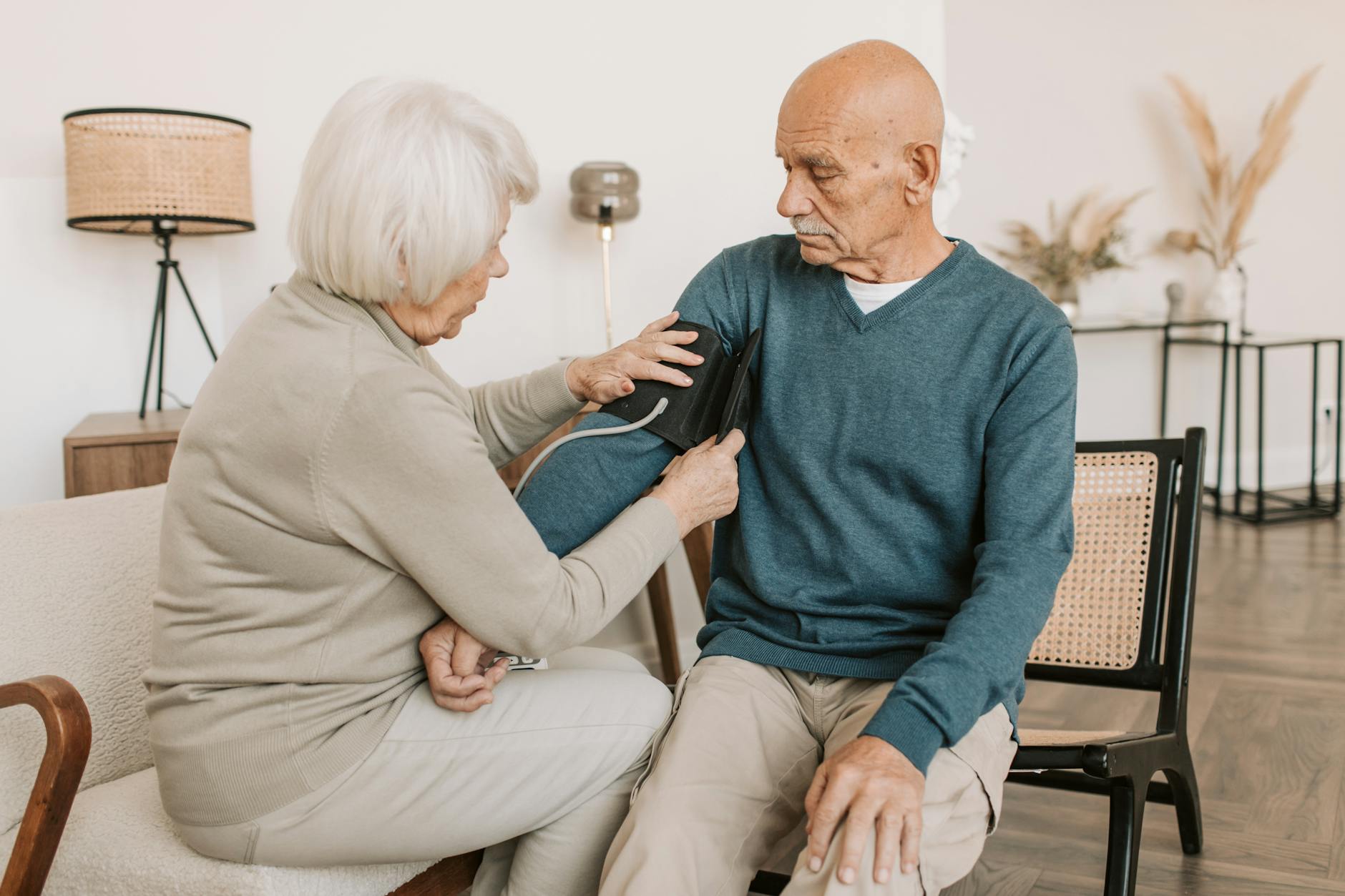
Managing dementia caregiving alone is exhausting. Adding cancer to that equation can push caregivers past their limits. A caregiver who was handling meal preparation, medication management, and behavioral support for a spouse with Alzheimer’s now faces oncology appointments, chemotherapy side effects, wound care after surgery, and the emotional weight of two terminal-trajectory diagnoses simultaneously. Research from the National Alliance for Caregiving has found that caregivers of people with multiple chronic conditions spend an average of 32 hours per week on caregiving tasks, roughly equivalent to a full-time job on top of whatever other responsibilities they carry. One common scenario illustrates the strain.
A husband caring for his wife with moderate Lewy body dementia agrees to her oncologist’s recommendation for six cycles of chemotherapy for ovarian cancer. Each infusion requires a full day at the clinic, during which he must arrange alternative supervision for his wife. The post-infusion days bring nausea and fatigue that compound her existing confusion and fall risk. By the third cycle, he has lost 15 pounds himself, stopped attending his own medical appointments, and begun showing signs of clinical depression. The cancer treatment may or may not extend his wife’s life, but it is measurably shortening his capacity to care for her.
Where Research and Policy Are Heading
Clinical research is slowly beginning to account for cognitive impairment as a variable in cancer treatment trials, though progress is halting. Historically, most cancer clinical trials have excluded patients with significant cognitive impairment, which means the evidence base for treating cancer in dementia patients is thinner than it should be. Several academic medical centers in the United States and Europe are now developing integrated geriatric oncology and dementia care protocols that assess cognitive function as a standard part of cancer treatment planning rather than treating it as an afterthought.
The broader policy direction also matters. As populations age and the prevalence of both conditions increases, health systems will need to develop clearer pathways for dual-diagnosis patients. Palliative care integration earlier in the disease course for both dementia and cancer, rather than reserving it for the final weeks of life, is one of the most promising approaches. Emerging evidence suggests that early palliative care consultation for patients with both conditions improves symptom management, reduces unnecessary hospitalizations, and helps families make more informed decisions about treatment intensity, without necessarily shortening survival.
Conclusion
A dual diagnosis of dementia and cancer compresses the timeline and complicates every medical decision involved. Life expectancy depends on the stage and type of both conditions, but the consistent finding across research is that dementia reduces the survival benefit of cancer treatment, largely because it limits which treatments can be safely and effectively delivered.
The biological relationship between these diseases is still being untangled, but the practical challenges are immediate and concrete: later detection, fewer treatment options, increased caregiver burden, and a medical system that is poorly designed to handle two complex, progressive conditions in the same patient. Families navigating this situation should push for a comprehensive geriatric assessment before making any cancer treatment decisions, seek out geriatric oncology specialists where available, and have frank conversations about goals of care that account for both diagnoses rather than treating them in separate silos. The question is rarely whether to treat or not treat, but rather what kind of treatment aligns with the patient’s remaining quality of life, their values as expressed when they could still articulate them, and the realistic capacity of the people providing their daily care.
Frequently Asked Questions
Does dementia make cancer grow faster?
No. There is no evidence that dementia accelerates tumor growth. The worse outcomes seen in cancer patients with dementia are driven by reduced treatment intensity, later diagnosis, and complications from managing both conditions, not by changes in cancer biology.
Should someone with dementia still get cancer screenings?
It depends on the stage of dementia and overall life expectancy. If a person with mild cognitive impairment is otherwise healthy and likely to live 10 or more years, continued screening for common cancers is reasonable. For moderate to advanced dementia, the risks and burdens of screening and follow-up procedures often outweigh the benefits. This should be an explicit conversation with the care team, not a decision made by default.
Can chemotherapy make dementia worse?
Some chemotherapy agents are associated with cognitive side effects commonly called “chemo brain,” which can worsen existing cognitive impairment. Additionally, the hospitalizations, anesthesia exposure, and delirium episodes that often accompany cancer treatment are known to accelerate dementia progression. This is one of the key tradeoffs families must weigh.
Who should make cancer treatment decisions for someone with dementia?
If the patient has a healthcare power of attorney or advance directive, those documents guide decision-making. If not, the legal next of kin typically assumes this role. Ideally, these conversations happen early in the dementia diagnosis, before the person loses capacity to express their preferences. For patients with mild cognitive impairment, they may still be able to participate meaningfully in their own treatment decisions with appropriate support.
Is palliative care the same as giving up?
No. Palliative care focuses on symptom management and quality of life and can be provided alongside curative or life-extending treatments. For patients with both dementia and cancer, early palliative care involvement has been shown to improve outcomes and reduce unnecessary suffering without shortening life.