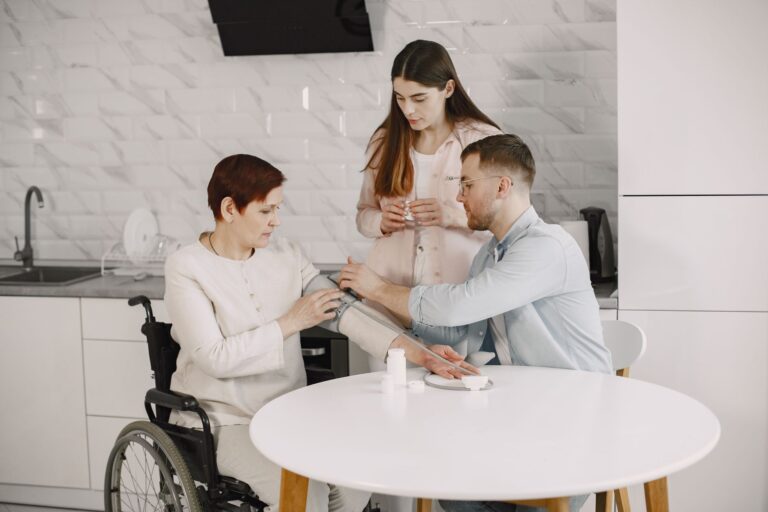
Dementia and a colostomy bag means the family care team should ask the stoma nurse for a shared plan for bag changes, skin checks, fluids, and what to do when the pouch is pulled off. A colostomy bag is a pouch worn over a stoma, an opening in the belly that passes stool after bowel surgery. Dementia can make independent stoma self-care impossible, so carers often take over changes while helping the person join in where able. That balance protects routine and dignity and keeps care safe day to day.
Medical information disclaimer: This article is for general educational purposes only and does not provide medical advice, diagnosis, or treatment. Always consult a physician or other qualified health professional about symptoms, medications, tests, or treatment decisions.
Table of Contents
- How does dementia change daily stoma care?
- What if the person pulls the pouch off?
- How do you prevent leaks and sore skin?
- What routine should the family learn by demonstration?
- What about fluids, food, blockage, and changing needs?
How does dementia change daily stoma care?
Expect the carer role to grow as memory, planning, and dexterity decline. Colostomy UK with Dementia UK advises families to take over bag changes when needed while still encouraging the person to participate where able, as described in their joint caring guide. Keep the same order, place, and words for each change.
Hand the person one safe task, such as holding clean gauze or washing hands. Stop and try later if distress rises. Ask the nurse who does what on weekdays, nights, and respite days. Write names, phone numbers, and backup contacts on one page near supplies.
What if the person pulls the pouch off?
Ask the GP or stoma nurse about a less noticeable or harder-to-remove bag, plus covers and clothing that reduce grabbing. The Alzheimer's Society advises carers to check triggers such as discomfort, itching, or confusion in its stoma-bag guidance. Ask whether a one-piece pouching system fits, because it has the fewest assembly and changing steps.
Ask about fit, seal comfort, itch, burning, odor, and weight of a full pouch. Try close-fitting underwear, a pouch cover, or a vest that blocks direct access without pressing on the seal. Watch for patterns before acting. Note time of day, hunger, thirst, toilet needs, pain, boredom, and recent leaks.
How do you prevent leaks and sore skin?
Leaked stool can irritate skin within hours, so prevention matters more than cleanup. A 2017 review in Clinics in Colon and Rectal Surgery links prevention to a well-sited, adequately protruding stoma, a close-fit barrier opening, a secure seal, and prompt use of fillers or convexity, detailed in the peristomal skin review.
Ask the nurse to check stoma height, creases, hernias, and belt use. Ask when convexity, rings, paste, or a different opening size are needed. Report leaks early rather than adding extra tape at home.
- Change a leaking pouch promptly; do not wait for the next routine change
- Match the barrier opening closely to the stoma size and shape
- Smooth the seal fully and hold it warm for adhesion
- Ask about convexity or filler when stool seeps under the edge
What routine should the family learn by demonstration?
Ask the nurse to demonstrate a full change and then watch the carer repeat it. Leeds Community Healthcare NHS stoma guidance covers changing closed colostomy bags about 1-3 times daily, emptying drainable pouches when one-third to one-half full, cleaning with warm water and soft wipes, avoiding perfumed soaps, and inspecting for redness, bleeding, or leakage, summarized on its stoma-care page. Keep supplies in one low, well-lit spot.
Lay out a new pouch, precut barrier if used, wipes, towel, disposal bag, and spare clothes before removing the old bag. Clean gently outward, pat dry, apply the new seal without wrinkles, and check the closure. Ask how to record output, odor change, ballooning, pancaking, and skin redness. Ask what counts as normal colostomy output for this person and what should prompt a same-day call.
What about fluids, food, blockage, and changing needs?
Because the colon absorbs fluid, colostomy plus low drinking in dementia raises dehydration and blockage risk. Agree a written fluids, diet, output-volume, and when-to-call plan with the nurse and GP. Ask how much to offer across the day, not only at meals.
Offer water, diluted juice, soup, and familiar cups within reach. Report dark urine, dizziness, headache, very low output, watery high output, nausea, vomiting, swelling, pain, or no stool with cramps. No single bag, cover, or behavioral tactic works for everyone, so reassess often. Keep a short progress diary of changes, leaks, skin state, intake, output, and distress, and ask for referral to stoma, district, Admiral, or continence services when needs change.