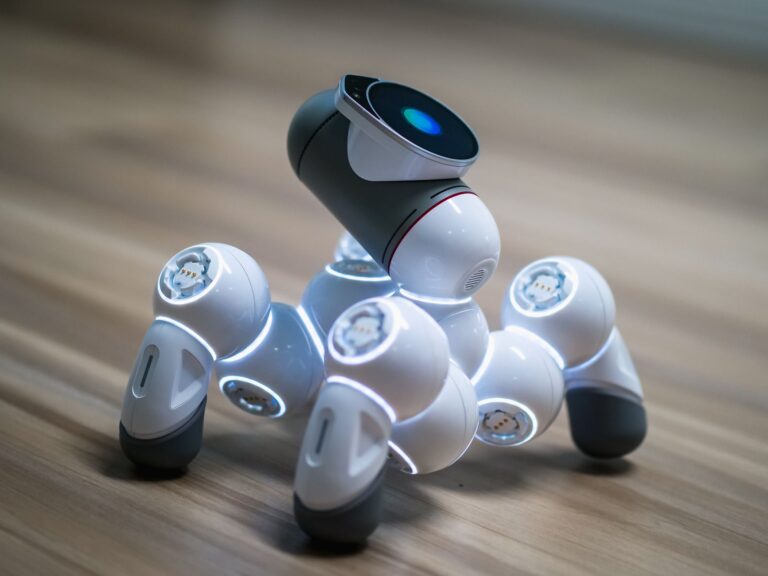
Most activity calendars that include robotic pets schedule sessions two to three times a week, each lasting 15 to 30 minutes. That range comes directly from the clinical trials that tested these devices with dementia patients, not from a single fixed rule. The exact schedule depends on the setting and the format — one-on-one visits versus group sessions — but every published study lands somewhere in that two-to-three-times-weekly window. The sections below break down what each study actually tested, so a caregiver or activity director can match a schedule to their own residents.
Medical information disclaimer: This article is for general educational purposes only and does not provide medical advice, diagnosis, or treatment. Always consult a physician or other qualified health professional about symptoms, medications, tests, or treatment decisions.
Table of Contents
- What "robotic pet" means in these studies
- How often did the actual trials run sessions?
- Does more frequent exposure produce a bigger benefit?
- Individual sessions versus group sessions — which schedule to pick
- Is there one "correct" frequency?
- Frequently Asked Questions
What "robotic pet" means in these studies
A robotic pet, in this context, is a therapeutic device like PARO (a robotic baby seal) or the Joy for All line of robotic cats and dogs, built to respond to touch and sound without the unpredictability or care burden of a live animal. These devices are used in dementia care specifically because they can sit in a resident's lap, respond to petting, and require no feeding, walking, or veterinary care. A manufacturer-sponsored hospice pilot led by Alacare Home Health & Hospice noted that live animals are often impractical in home health settings because of liability concerns — which is part of why robotic versions have become the practical substitute in care calendars.
How often did the actual trials run sessions?
The two largest randomized trials used different schedules depending on whether sessions were one-on-one or group-based. In a cluster-randomized Australian trial of 415 long-term care residents, individual, non-facilitated 15-minute PARO sessions ran three times a week for 10 weeks and increased verbal and visual engagement compared with a look-alike plush toy or usual care. A Norwegian cluster-randomized trial took a different approach: staff-facilitated group sessions ran 30 minutes, twice weekly, for 12 weeks.
That trial, reviewed in BMJ Open, found significant reductions in agitation and depression compared with usual care only by the three-month follow-up — not immediately at the end of the 12-week intervention. That delay matters for setting expectations: a calendar built around robotic pets may need to run for a full season before caregivers see a measurable behavioral shift. An earlier individual-session trial using the AIBO robotic dog ran 30-minute sessions over eight weeks, one of the schedules cited in later reviews as evidence that shorter, more frequent individual sessions work alongside longer group formats.
Does more frequent exposure produce a bigger benefit?
Yes, for one specific outcome. A 2021 meta-analysis pooling three randomized trials — 214 participants total — found that pet-type robots like PARO improved agitation in dementia patients, with a standardized mean difference of -0.37 (95% CI -0.64 to -0.10, p<.01).
That same analysis found greater weekly exposure time was associated with larger reductions in depression, which is the clearest evidence that frequency itself — not just whether a pet is used at all — affects outcomes. A more recent 2025 meta-analysis of robotic pet interventions confirmed a similar agitation benefit (SMD -0.36) but found no significant effect on cognitive function, broader neuropsychiatric symptoms, depression, or quality of life. In practical terms: a robotic pet on a regular schedule is well-supported for calming agitation, but a calendar built around it should not be sold as a broader cognitive or mood intervention.
Individual sessions versus group sessions — which schedule to pick
The format changes how often sessions should run and how long they should last. No trial has tested daily use, so a calendar built around daily robotic pet sessions is extrapolating beyond the evidence rather than following it.
- Individual, self-directed sessions: 15 to 30 minutes, two to three times a week, based on the Australian and AIBO trials.
- Staff-facilitated group sessions: 30 minutes, twice weekly, based on the Norwegian trial — plan for results to build over roughly 12 weeks rather than appear immediately.
- In-room sessions for residents with limited mobility: a U.S. pilot study in a memory-care unit ran recreational-therapist-facilitated sessions averaging about 30 minutes using Joy for All cats and dogs in residents' private rooms. Participants rated enjoyment 7.8 out of 10, and the pilot's authors found that self-directed interaction — letting the resident hold and respond to the pet without constant staff direction — produced the most meaningful engagement.
Is there one "correct" frequency?
No single frequency has been validated as optimal. The same U.S.
pilot study whose results are summarized above concluded that 30-minute sessions were workable in a memory-care setting, but its authors stated plainly that further research is needed to determine the optimal session length. That is the honest state of the evidence: two to three sessions a week, 15 to 30 minutes each, is the range every major trial has tested and found beneficial for agitation — not a single number that outperforms the rest. A practical starting point is to schedule individual sessions two to three times weekly for residents who respond well to one-on-one attention, and reserve twice-weekly group sessions for communal activity blocks, adjusting frequency based on how individual residents respond rather than holding to a fixed count.
Frequently Asked Questions
Should robotic pet sessions happen every day?
No trial has tested daily sessions. The published research tested two to three sessions per week, so a daily schedule goes beyond what has been studied.
How long does it take to see a behavioral change?
In the Norwegian group-session trial, significant reductions in agitation and depression appeared only at the three-month follow-up, not at the end of the 12-week intervention itself.
Do robotic pets help with memory or cognition, not just mood?
The 2025 meta-analysis found no significant effect on cognitive function, broader neuropsychiatric symptoms, depression, or quality of life — agitation reduction is the benefit with the strongest support.