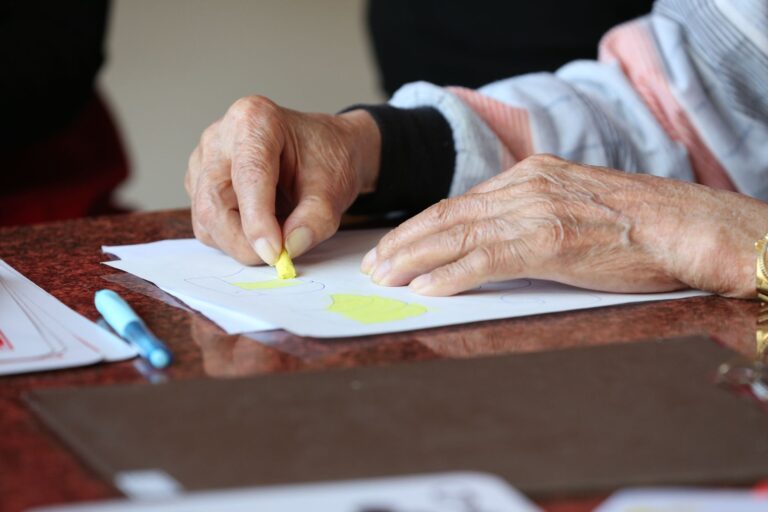
Activities tied to a loved one's former job can raise engagement and ease difficult behavior in dementia. Caregivers can use work history as a guide for daily tasks that feel useful and familiar.
The Tailored Activity Program, an occupational-therapy method that matches tasks to past roles and present abilities, gives one tested model. Atlantic Shores advises caregivers to tap work history plus hobbies, travel, and major life events, in its Atlantic Shores activity guide. A former cashier might roll coins while a former gardener waters plants.
Medical information disclaimer: This article is for general educational purposes only and does not provide medical advice, diagnosis, or treatment. Always consult a physician or other qualified health professional about symptoms, medications, tests, or treatment decisions.
Table of Contents
- Why familiar work holds attention
- How to match the job to present abilities
- What can you try this week?
- What changes do studies report?
- When should you simplify or stop?
Why familiar work holds attention
Jobs carry identity and habit. Long-practiced motions feel safe. They ask for doing, not learning.
That familiarity lowers pressure. New places and new skills can confuse. A known role lets the person contribute without a test.
How to match the job to present abilities
Start with what the person can still do. Note attention span, vision, grip, balance, and mood. List former duties that used those strengths. The VA describes its Tailored Activity Program as using occupational therapists to assess preserved capabilities, deficits, previous roles, habits, and interests, then training family caregivers to embed tailored activities in daily routines, in its VA trial description.
Use the same idea at home. Pick one role and fit one small task to it. Break work into one step at a time. Offer one tool. Stay nearby and adjust if fatigue shows.
What can you try this week?
Choose tasks that look like the old job but carry no risk. Keep supplies ready. Work side by side.
Schedule the task at the best time of day. Use a calm, clear table. Pause and retry later if frustration rises.
- Former teacher or office worker: sort mail, file papers by color, stack books, sharpen pencils.
- Former cook or homemaker: stir batter, fold laundry, wipe tables, arrange napkins.
- Former trades worker or gardener: sand smooth wood, sort large screws, water plants, sweep a small area.
- Former caregiver, clerk, or driver: fold towels, pair socks, polish shoes, clean a tray.
What changes do studies report?
A 2015 systematic review in BioMed Research International found tailored activities reduced overall behavioral symptoms including agitation, shadowing, argumentation, and repetitive questioning, while improving engagement and easing caregiver burden compared with usual care, in its systematic review summary. That matters for daily life. Less agitation means calmer meals, baths, and evenings.
Gains come from fit, not effort. A short, familiar task done willingly beats a long puzzle done with stress. Watch for smiles, focus, and calm hands.
When should you simplify or stop?
Simplify at the first sign of strain. Swap a multi-step job for one motion.
Trade buttoning for folding and writing for sorting. Stop the task if the person frowns, paces, pushes items away, or tires. Offer a drink, play music, take a short walk, and try again later.