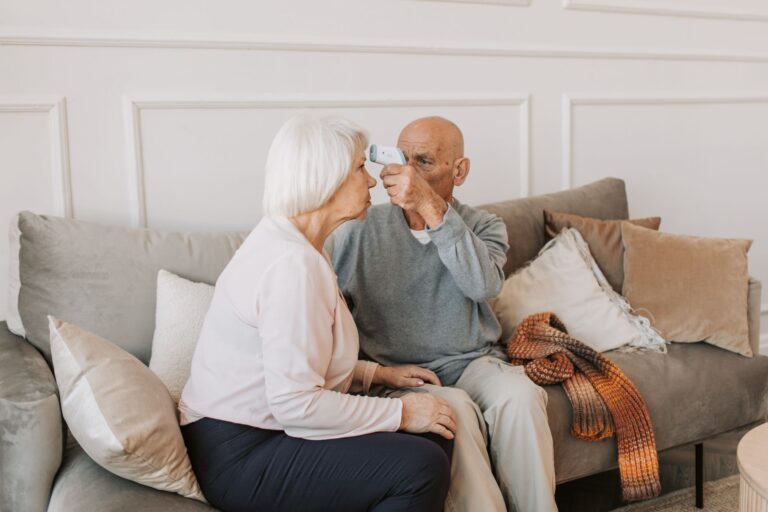
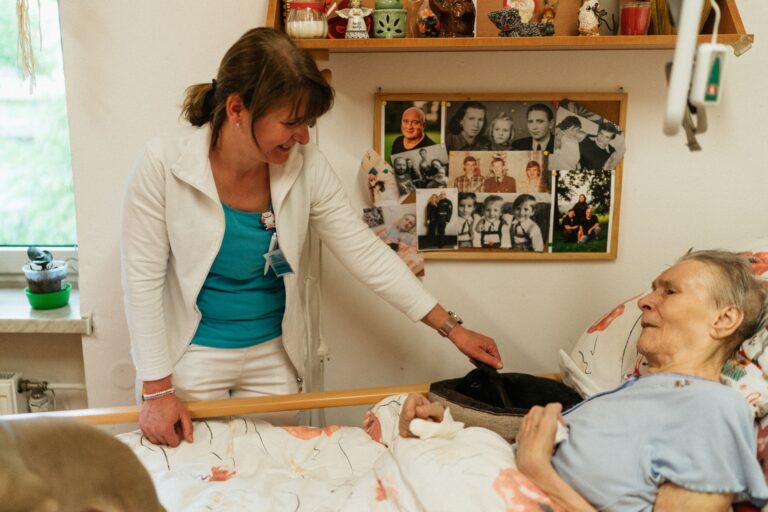
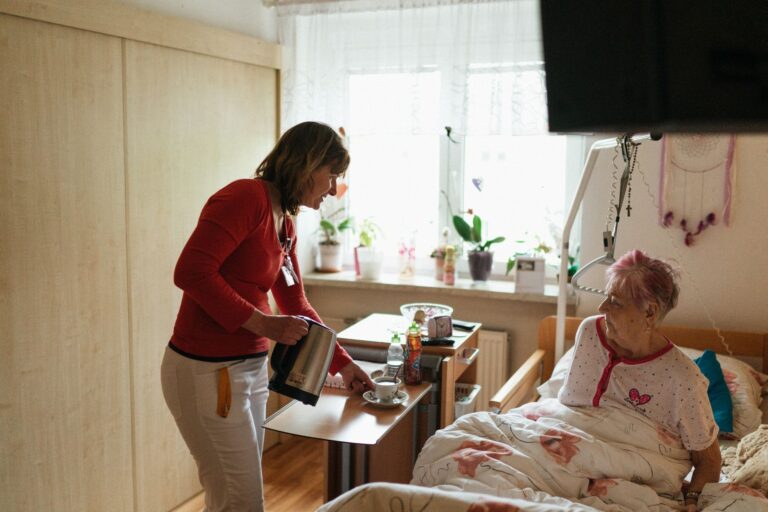
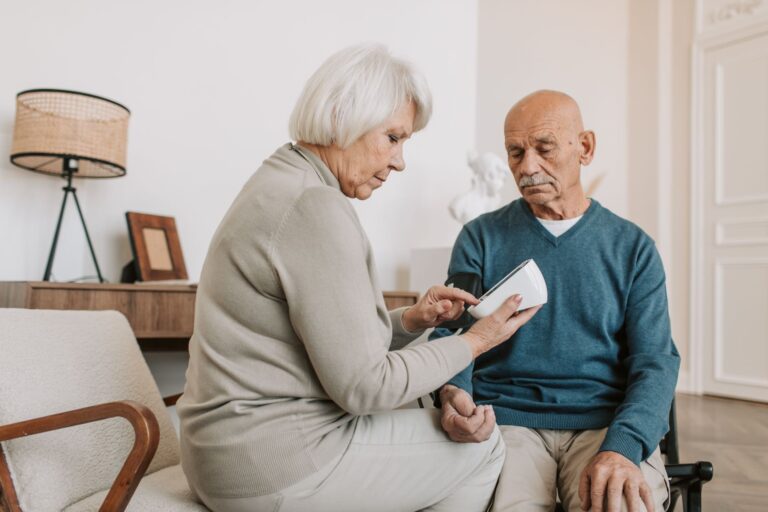
Daily check-in systems are structured touchpoints designed to verify the safety and wellbeing of a person with early dementia who lives alone. These systems typically involve a combination of phone calls, in-person visits, technology monitoring, or community outreach—sometimes all of these working together—to catch problems early and provide reassurance to both the person and their care network. For someone with early-stage cognitive decline who still values independence and may resist the idea of a group living situation or full-time supervision, a well-designed check-in system can mean the difference between remaining safely at home and facing a crisis that forces an abrupt move to assisted living or memory care. Consider a 72-year-old woman with mild cognitive impairment who still lives in her own home, pays her bills, and drives to the grocery store. Her daughter calls every morning at 8:30 a.m.
to confirm she’s awake, ask what she’s planning for the day, and listen for any signs of confusion or distress. A home monitoring system tracks if doors and windows are opened and closed in expected patterns. Her neighbor has been asked to watch for unusual activity. The woman’s primary care doctor has her phone number and checks in quarterly. This layered approach catches problems—a missed meal, a door left open overnight, a repeat conversation suggesting memory loss—while still allowing her to wake up, shower, and make breakfast without anyone watching.
Medical information disclaimer: This article is for general educational purposes only and does not provide medical advice, diagnosis, or treatment. Always consult a physician or other qualified health professional about symptoms, medications, tests, or treatment decisions.
Table of Contents
- What Are Daily Check-In Systems and How Do They Reduce Risk for Someone Living Alone?
- Types of Check-In Systems—Technology, Human Contact, and Hybrid Approaches
- Smart Technology and Home Monitoring—What Works, What Doesn’t
- Creating a Practical and Sustainable Daily Check-In Schedule
- Resistance, Denial, and the Emotional Barriers to Daily Check-Ins
- When Family Cannot Provide Daily Check-Ins—Professional and Community Resources
- Balancing Safety Oversight With Dignity and Autonomy
What Are Daily Check-In Systems and How Do They Reduce Risk for Someone Living Alone?
A person with early dementia living alone faces specific hazards that people without cognitive decline might manage automatically: forgetting to eat, leaving the stove on, wandering outside and losing their way, neglecting medications, falling with no one present to call for help, or becoming vulnerable to scams or unwanted visitors. A structured check-in system is not constant surveillance; it’s a scheduled, agreed-upon moment (or moments) when someone—whether family, a paid caregiver, a friend, or a community volunteer—connects with the person to verify they’re safe and oriented. The frequency and method depend on the person’s stage of dementia, how well they accept help, their living situation, and what family and resources are available.
Research in geriatric care has consistently found that isolation and unmonitored living arrangements increase the risk of adverse events in people with cognitive impairment. A person who hasn’t eaten in two days, or who has fallen and lies on the floor for hours, or who has left a door unlocked and become a target for exploitation, faces dangers that aren’t always visible from the outside. Contrast this with someone whose family or caregiver checks in daily: medication missed is caught within 24 hours, a fall is discovered quickly, a change in mood or clarity is noticed by someone who can assess whether medical help is needed.
Types of Check-In Systems—Technology, Human Contact, and Hybrid Approaches
Check-in systems come in three broad categories, often used together. The first is technology-based: motion sensors that alert you if the person hasn’t moved around the home for several hours, medication dispensers that beep if a dose isn’t taken, door and window sensors, fall-detection wearables, or systems that passively monitor patterns of daily living (bathroom visits, kitchen activity, sleep patterns). These systems are available 24/7, they don’t require the person to remember to participate, and they can send alerts to multiple people at once. The downside is significant: systems can malfunction or give false alarms, they create a sense of surveillance that some people find degrading, and they do not provide human judgment—a system cannot tell if confusion is temporary or a sign of a medical emergency. The second type is human contact: phone calls, text messages, video calls, in-person visits, or regular social outings. A daily phone call at the same time is often the simplest and most personally reassuring form of check-in.
Someone calls and says, “Hi Mom, I’m calling for our morning check-in. How did you sleep? What’s for breakfast?” This gives the person a routine, a voice they recognize, and the chance to talk—something that technology cannot provide. It also allows the person on the phone to hear confusion, hear slurring, or notice a change in tone that might signal a problem. The limitation is obvious: phone calls rely on someone being available and committed to calling, every single day or most days. If the care partner travels, works long hours, or becomes exhausted by the routine, calls may be missed. A hybrid system combines both: a technology baseline that monitors passive safety (did the person get out of bed, is the kitchen stove on, are doors locked at night) paired with a daily human check-in—a phone call, a visit, or a video chat. This approach catches problems that technology misses (a subtle shift in speech patterns, a new health complaint, a mounting pile of unopened bills) while ensuring continuous monitoring even if human check-ins are occasionally missed.
Smart Technology and Home Monitoring—What Works, What Doesn’t
Smart home systems designed for aging in place can include medication reminders, activity monitors, environmental controls, and alert systems. A medication dispenser, for instance, lights up and sounds an alarm when a dose is due, and it can send a notification to the person’s phone and to a family member’s phone if the dose isn’t taken within a set window. This prevents dangerous medication gaps—a person with early dementia might forget whether they took their blood pressure medication this morning and take it twice, or forget it entirely. A motion sensor in the hallway can alert caregivers if the person is moving around at 3 a.m. in ways that suggest they are confused or trying to leave the home.
The substantial limitation is that technology does not replace human judgment or provide warmth. A system can tell you that your parent has not moved from one room for six hours, but it cannot tell you whether they’re napping, depressed, sick, or injured. A fall-detection device can alert you to a fall, but if the person refuses to wear it, or forgets to charge it, or it malfunctions, it provides no protection. Additionally, privacy concerns are real: many people with early dementia experience moments of clarity where they feel acutely aware that they are being monitored, which can trigger shame, anger, or a sense of loss of autonomy. Introducing technology requires honest conversation, patience, and often trial and error.
Creating a Practical and Sustainable Daily Check-In Schedule
A realistic check-in schedule depends on the severity of cognitive decline and the person’s own preferences and capabilities. For someone in the early stages of dementia who is still fairly independent, one phone call per day—preferably at the same time each day—is often sufficient, paired with one in-person visit per week. For someone whose dementia is progressing more quickly, or who has had a recent fall or health scare, twice-daily check-ins (morning and evening) or three times a week in-person visits may be necessary. The key is to match the schedule to actual risk, not to anxiety. A common mistake is designing a check-in system that’s too burdensome to sustain.
If one adult child commits to calling their parent every single day at 7 a.m. but their work schedule becomes chaotic, or they travel, or they burn out from the duty, the system collapses. A more sustainable approach is to share the load: one person calls three days a week, another calls twice a week, and a paid caregiver or community volunteer fills the gaps. Another approach is to anchor check-ins to existing routines: a phone call during the person’s lunch break, a visit from a neighbor on the way to the mailbox, a video call during the grandchild’s after-school snack time. The goal is consistency and human connection, not perfection.
Resistance, Denial, and the Emotional Barriers to Daily Check-Ins
Many people with early dementia resist the very systems designed to keep them safe. They may not believe they have memory problems. They may feel humiliated by the implication that they cannot be trusted to manage a day alone. They may resent what feels like control or intrusion.
A person might say, “I don’t need anyone calling me every day. I’m fine.” They may hide cognitive lapses or become defensive when asked clarifying questions about medication or meals. Resistance is a real barrier and cannot simply be overcome by explaining the logic of the system. It requires patience, respect for autonomy, and often some creative framing. Rather than saying, “We’re checking up on you because you’re forgetting things,” it’s more effective to anchor the check-in to something positive: “I’d love to hear about your day,” or “Let’s do a coffee call every Tuesday,” or “I worry about you and it makes me feel better to hear your voice.” As dementia progresses and denial becomes less tenable, resistance often softens—but in the early stages, pushing too hard can backfire, driving the person to refuse help altogether or to hide problems more deeply.
When Family Cannot Provide Daily Check-Ins—Professional and Community Resources
Not every family has a member available to call or visit daily. Work, distance, health issues, or family dynamics may make it impossible for relatives to be the primary check-in contact. In these cases, professional services exist: geriatric care managers can arrange regular phone or in-person check-ins; adult day centers provide structured social engagement and oversight; some home care agencies offer “wellness check” visits; senior centers and community programs often have volunteer visiting programs or call reassurance lines specifically for older adults living alone. Some programs charge on a sliding scale or are subsidized; others are free.
A geriatric care manager costs more but coordinates the entire care ecosystem and can adjust the plan as needs change. The tradeoff with professional check-ins is cost and consistency. A paid caregiver provides reliability but lacks the personal history and emotional connection that family brings. A volunteer visitor is warm and often free, but volunteer programs depend on availability and may not be consistent in the person assigned or the time of visit. Understanding what is available locally—by calling the county aging services office, contacting the Alzheimer’s Association, or asking the person’s primary care physician—is the first step.
Balancing Safety Oversight With Dignity and Autonomy
One of the hardest aspects of designing a check-in system is maintaining the person’s sense of independence and dignity while ensuring they are truly safe. Over-monitoring can accelerate decline by reinforcing a sense of helplessness. Under-monitoring risks a serious adverse event.
The goal is to find the threshold where the person feels respected, still capable, and connected—while problems are caught early. This often means being willing to accept some level of risk that would not be acceptable in a group living setting. A person at home might occasionally skip a meal, or miss a dose of a non-critical medication, or wear the same clothes for two days, or accumulate clutter—things that would be prevented by 24/7 supervision but that many people, given the choice, would accept as part of maintaining their own life. A good check-in system is one where the person knows they are being checked on, agrees (however reluctantly) that it’s necessary, and still feels like they are living their own life rather than being managed by others.