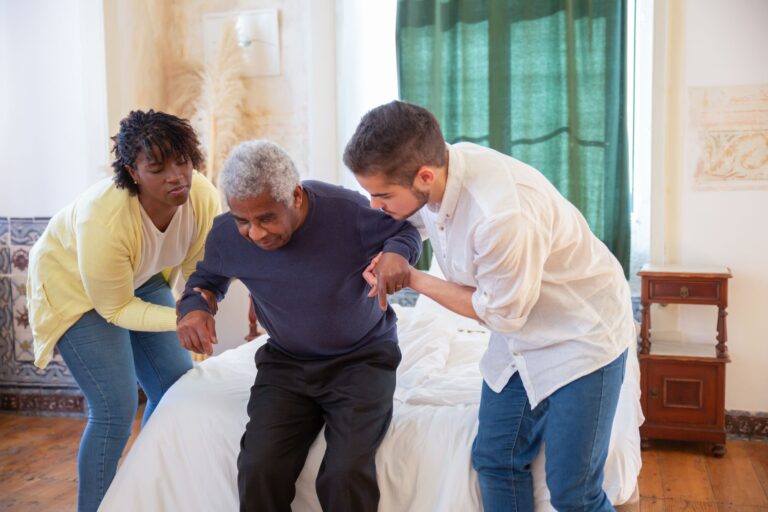
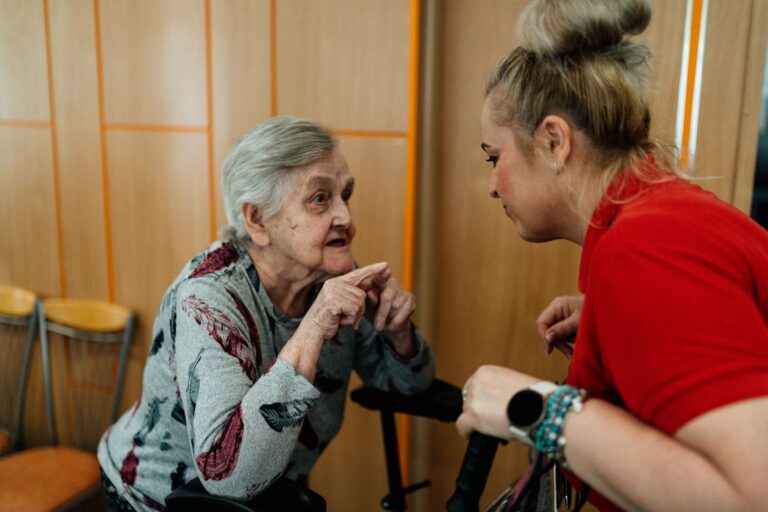
Culturally responsive caregiver support means practical help that fits a spouse or partner's language, values, food, faith, and family roles. The 2026 NIA summit report puts cost and access at the center, with spouses and partners in sustained home care facing sharp income risk. The National Institute on Aging held its virtual Dementia Care and Caregiving Research Summit on March 17-19, 2026. It published the summit report in August 2026 to set research gaps and priorities.
Medical information disclaimer: This article is for general educational purposes only and does not provide medical advice, diagnosis, or treatment. Always consult a physician or other qualified health professional about symptoms, medications, tests, or treatment decisions.
Table of Contents
- What counts as a dementia caregiving cost?
- Why does access remain uneven for spouses?
- What no-cost support can families ask about?
- What makes support culturally responsive?
- What can spouses and partners do next?
What counts as a dementia caregiving cost?
The National Institute on Aging defines direct costs as medical co-payments and home modifications. It defines indirect costs as unpaid caregiving time, early retirement, lost wages, lost tax revenues, strain, and reduced quality of life.
The report finds those indirect costs fall disproportionately on women. They also vary by socioeconomic status and related factors. Spouses and partners who provide sustained home care face high exposure to income loss.
Why does access remain uneven for spouses?
The report points to growing longitudinal resources such as NHATS/NSOC, NIA Data LINKAGE, the LTC Data Cooperative, and Gateway to Global Aging Data. These sources can track care over time and across settings.
It warns that data siloes and access barriers still limit caregiving research. That gap matters for spouses because solo hours, lost work, and health effects often go uncounted in clinic records.
What no-cost support can families ask about?
The Centers for Medicare and Medicaid Services runs the GUIDE Model for people with dementia and unpaid caregivers. It pairs interdisciplinary dementia care with evidence-based education, training, support services, and respite care aimed at keeping people safe at home.
GUIDE participants may not charge aligned patients for GUIDE services, including respite, with no patient cost-sharing, according to the Centers for Medicare and Medicaid Services in its GUIDE FAQs. Required offers include skills training, dementia education, support groups, and ad-hoc one-on-one support.
- Ask whether the clinic is a GUIDE participant
- Ask for skills training matched to your language and schedule
- Ask for dementia education, a support group, and one-on-one help
- Ask how to request respite hours and what is covered
What makes support culturally responsive?
With a $3 million NIA grant, George Mason researcher Y. Alicia Hong is refining WECARE, described by George Mason University as a seven-week culturally tailored digital intervention.
It aims to build caregiving skills and well-being among underserved dementia caregivers. Tailoring can mean matched language, familiar foods and routines, and respect for who makes family decisions. It can also mean evening or weekend sessions, phone-friendly lessons, and examples that fit home care by a spouse.
What can spouses and partners do next?
Spouses face the heaviest burden: 37% of spouse caregivers in a 2026 private-nursing dementia sample reported severe burden, according to the authors of the Frontiers in Dementia study. The authors link that burden to role strain, isolation, and loss of companionship from primary, often solo, care.
Track weekly care hours, missed work, travel, co-payments, and home changes for one month. Share that list with the care team and ask for training, respite, and a support match. Bring a one-page list of weekly care hours, missed work, and out-of-pocket spending to the next visit.
You Might Also Like
- Early Dementia Diagnosis Economics in the 2026 NIA Report: Cost and Access Questions for Spouses and Partners
- Community-Academic Dementia Partnerships in the 2026 NIA Report: Cost and Access Questions for Spouses and Partners
- Implementation-Ready Dementia Interventions in the 2026 NIA Report: Questions People With Mild Cognitive Impairment Can Ask About the Research