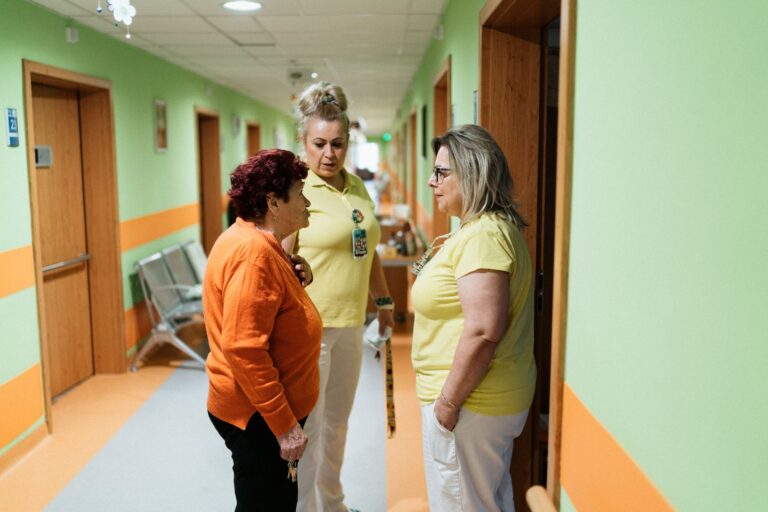
Culturally responsive caregiver support in the 2026 National Institute on Aging report means dementia programs shaped with specific communities through advisory boards, tailored interventions, and two-way partnerships between researchers and caregivers. For adult children, the implication is practical: seek care resources that reflect your parent's language, values, and family roles, and start medical and legal planning early. Culturally adapted programs improve relevance, adoption, and lasting use, according to the National Institute on Aging in its 2026 summit report. Early diagnosis also helps adult children arrange timely treatment, financial planning, and future savings, even when new medications raise short-term costs.
Medical information disclaimer: This article is for general educational purposes only and does not provide medical advice, diagnosis, or treatment. Always consult a physician or other qualified health professional about symptoms, medications, tests, or treatment decisions.
Table of Contents
- What did the 2026 report actually say?
- Why does culture change care outcomes?
- What does tailored support look like?
- How can adult children act now?
What did the 2026 report actually say?
The report does not name one best drug or single care model. A ComForCare summary of the National Institute on Aging report describes it as a research agenda that lists gaps and priorities to guide better future care.
What it does endorse is how programs should be built. Community advisory boards, culturally tailored interventions, and bidirectional researcher-caregiver partnerships improve fit and uptake. For adult children, that means the process matters: programs designed with families like yours are more likely to work in daily life.
Why does culture change care outcomes?
Serious gaps remain at the end of life. A Journal of the American Geriatrics Society study of 2017-2024 National Health and Aging Trends Study data found Black older adults without caregivers had 64% lower odds of excellent or very good end-of-life care than White adults with caregivers, with gaps persisting even when caregivers were present, in its study of end-of-life care disparities. The authors concluded culturally responsive support for minority caregivers may help reduce those gaps.
The federal response points the same way. The Administration for Community Living's National Strategy to Support Family Caregivers calls for culturally competent outreach to unserved caregivers, a workforce that reflects community culture, and review of screening and intake for cultural fit. Ask whether local agencies offer interpreters, translated materials, and staff who understand your family's norms around decision-making and personal care.
What does tailored support look like?
One example is WECARE, a personalized digital program for Chinese American dementia caregivers. George Mason University reports the National Institute on Aging awarded $3,088,427 from September 2025 to August 2030 to test whether it strengthens caregiving skills and well-being in this underserved group.
Evaluation of WECARE 2.0 found better physical and mental health with user-friendly delivery, according to MedicalXpress reporting on the George Mason research. The lesson for other families is transferable: look for tools in your parent's preferred language, examples that match your food, holidays, and caregiving roles, and coaching for chronic stress and health conditions common among strained caregivers.
How can adult children act now?
Use early information to plan. Talk with your parent's clinician soon after cognitive concerns appear about diagnosis, treatment options, costs, and work and coverage choices for family caregivers.
Early answers give you more time to budget, explore services, and align siblings around a shared plan. Put values and paperwork in place while your parent can participate. The National Institute on Aging advises proxies to learn the person's wishes about life and dying, get copies of the living will and durable power of attorney for health care, and share those directives and proxy contacts with clinicians and facility staff in its tips for caregivers on advance care planning.
- Ask about values, faith, and limits around hospital care, resuscitation, and comfort care
- Collect signed copies of advance directives and proxy forms
- Give copies to the primary clinician, specialists, and any facility team