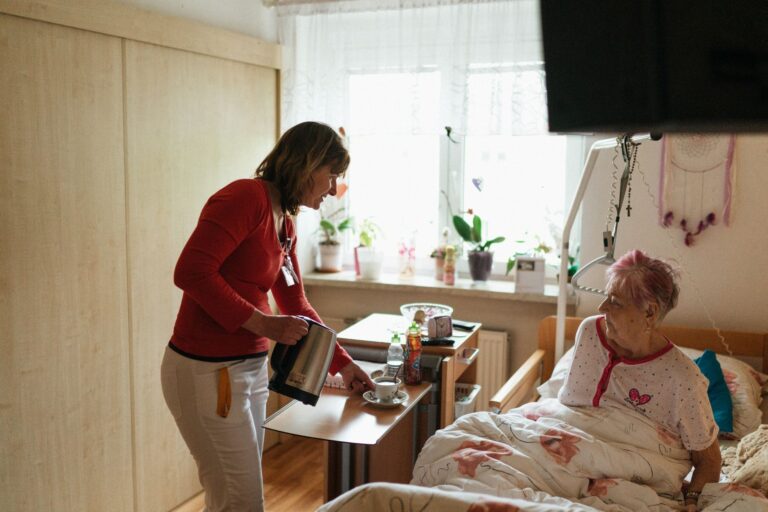
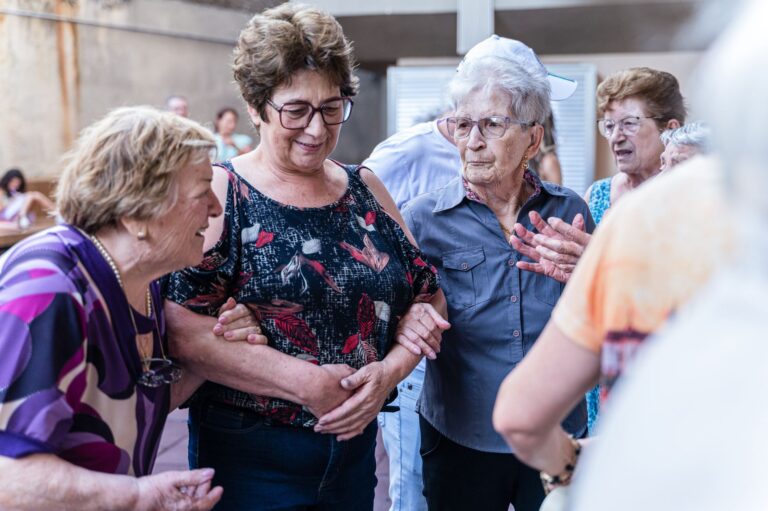
Yes, sensory-friendly events can meaningfully support dementia families, but their benefit depends heavily on how they’re designed and when they’re used in the disease progression. People with dementia often experience heightened anxiety in crowded, loud, or visually complex environments because their brains struggle to filter background noise and distinguish important stimuli from distractions. An event designed with reduced sensory input—quieter music, softer lighting, fewer people, clearer sightlines—can allow someone with dementia to participate in social activities that would otherwise cause distress or agitation. A museum that offers early-morning sensory-friendly hours with reduced crowds and lowered volume on audio guides, for example, lets a person in early-stage dementia enjoy art and movement without the sensory assault of peak visiting times.
However, sensory-friendly events are not a universal solution. Their effectiveness varies based on the individual’s stage of dementia, their specific sensory sensitivities, and their baseline comfort with group settings. Someone in advanced dementia may not benefit from an organized event at all, regardless of how thoughtfully it’s designed. Families need realistic expectations: these events work best as one tool in a broader toolkit, not as a cure-all for the social isolation that often accompanies dementia.
Table of Contents
- Why Do Sensory Challenges Matter for People with Dementia?
- How Sensory Overload Manifests and What It Actually Costs Families
- Real-World Examples of Sensory-Friendly Events and Spaces
- How to Find or Design Sensory-Friendly Experiences: Practical Considerations
- Warning Signs That a Sensory-Friendly Event Isn’t Working
- The Underestimated Benefit to Caregivers and Families
- Transportation, Logistics, and Hidden Accessibility Barriers
Why Do Sensory Challenges Matter for People with Dementia?
Dementia damages the brain’s ability to process and integrate multiple streams of sensory information simultaneously. Where a typical adult can tune out background noise at a coffee shop and focus on conversation, someone with dementia loses this filtering ability. Every sound—espresso machines, other conversations, a door chiming—competes equally for attention, creating what researchers call “sensory competition.” This isn’t a hearing problem; it’s a processing problem. The person’s ears work fine, but their brain can’t prioritize signals anymore.
crowded, complex environments trigger a cascade of stress responses in people with dementia. Heart rate rises, breathing becomes shallow, anxiety spikes. If someone is already in an elevated state due to confusion about their surroundings or disorientation about time, adding a chaotic sensory environment can tip them into agitation, aggression, or complete withdrawal. A person who seemed stable and engaged at home can become panicked or hostile in a busy restaurant or crowded store, not because they’re being difficult, but because their brain is literally overwhelmed. Family members often misinterpret this as behavioral decline when it’s actually a predictable response to sensory overload.
How Sensory Overload Manifests and What It Actually Costs Families
sensory overload in people with dementia creates a ripple effect that extends far beyond the immediate moment of discomfort. When an outing triggers agitation, the person with dementia may become exhausted and non-functional for hours afterward. A 30-minute grocery store trip can result in irritability, confusion, and difficulty sleeping that evening. Families quickly learn to shrink their world: fewer outings, fewer visitors, fewer public activities. Over time, this isolation compounds depression and may actually accelerate cognitive decline, creating a negative feedback loop where caregivers avoid public settings specifically because past experiences went badly.
One significant limitation of sensory-friendly events is that they still require the person with dementia to be mobile, communicative, and willing to participate. Someone in mid-to-late stage dementia may sit passively even in a well-designed environment, unable to engage or remember the experience afterward. A caregiver might go to the effort of arranging transportation and registration for a sensory-friendly concert, only to find their loved one doesn’t register what’s happening. The real value, in these cases, sometimes shifts to the caregiver themselves—the small relief of being in a space explicitly designed for their needs. But this is a different benefit than the one advertised.
Real-World Examples of Sensory-Friendly Events and Spaces
Some organizations have successfully implemented sensory-friendly programming for people with dementia. The Cleveland Museum of Art offers dementia-friendly tours on weekend mornings, with smaller groups, simplified narratives, and time to sit and rest without pressure to keep moving. Participants report a sense of calm and engagement that contrasts sharply with regular museum hours.
Similar programs exist at botanical gardens, aquariums, and some theater companies, where lighting is adjusted, sound volumes are lowered, and staff are trained to interact patiently with visitors who may ask questions repeatedly or move slowly. Movie theaters in some regions now offer special dementia-friendly screenings where the lights remain partially on, the sound is lower, and audiences are expected to move around or talk if needed. Attendants don’t shush people for making noise or getting up to leave mid-film. A 75-year-old woman with mid-stage dementia attended one such screening with her daughter and sat through an entire film without distress for the first time in three years—not because the movie was exceptional, but because she wasn’t caught in a state of panic about the dark theater and loud soundtrack.
How to Find or Design Sensory-Friendly Experiences: Practical Considerations
Creating effective sensory-friendly programming requires intentional design choices that differ significantly from generic “accessible” or “senior-friendly” events. Sensory-friendly means: reduced noise levels (ideally under 70 decibels, roughly a normal conversation), controlled lighting (avoiding flashing or overly bright environments), limited crowd size, clear visual landmarks and staff presence, flexibility around timing (sessions should be shorter or allow breaks), and trained staff who understand dementia and won’t be alarmed by behavioral changes or confusion. The tradeoff is that running genuinely sensory-friendly events costs money and limits revenue. A museum can serve 50 people on a regular Saturday or 12 people on a sensory-friendly tour.
Staffing is more labor-intensive because trained facilitators earn more than ticket-takers and volunteers need specific training. As a result, sensory-friendly programs exist in well-funded institutions but are rare in smaller communities. Families in rural areas or those without transportation access may have no local options, making an online or at-home alternative the only realistic choice. Some families have begun creating informal sensory-friendly gatherings in their own homes—quiet potlucks with familiar faces, background music at very low volume—because public options don’t exist.
Warning Signs That a Sensory-Friendly Event Isn’t Working
Even in well-intentioned spaces, sensory-friendly events can fail if they’re not carefully maintained or if they underestimate the individual’s sensory needs. A museum that calls itself dementia-friendly but still plays background music, uses dimmable but not consistently dimmed lighting, and doesn’t brief visitors that some participants may repeat questions creates a chaotic experience that’s better than a regular museum but still overwhelming. The person with dementia may attend, become frustrated and anxious, and then develop a learned avoidance of museums—making it harder for future outings. Another common pitfall is assuming that because an event is structured for dementia, it will work for your family member.
People’s sensory sensitivities vary enormously. Someone who becomes distressed by loud noises may be fine with dim lighting and crowds, while another person is triggered specifically by the unpredictability of crowds, even quiet ones. Caregivers often need to attend a sensory-friendly event once, assess how their loved one actually responds (not how they were told to respond), and decide whether to return. Some families find that one-on-one outings to quiet places—a park bench, a library, an empty movie theater in the afternoon—are more effective than group events, however thoughtfully organized.
The Underestimated Benefit to Caregivers and Families
While much discussion focuses on whether sensory-friendly events benefit the person with dementia, the events often provide substantial relief to the primary caregiver. Attending an event in a space designed for people with dementia’s needs normalizes the caregiving experience. A caregiver doesn’t have to manage stares or judgments when their loved one repeats the same question five times, because staff expect this and other visitors understand why they’re there.
This permission to be visibly ill rather than hidden away can be profoundly relieving. Caregivers also report that sensory-friendly events create a sense of community and shared understanding that’s rare in their daily lives. Meeting other families navigating dementia in a structured, judgment-free setting—even if it’s just a 45-minute gallery tour—can reduce the isolation that often accompanies caregiving. The person with dementia may benefit primarily from the calm environment, while the caregiver benefits from the social connection and the relief of not having to manage behavioral or safety crises during the outing.
Transportation, Logistics, and Hidden Accessibility Barriers
Planning transportation to a sensory-friendly event often requires as much coordination as the event itself. Someone with dementia may no longer be safe in a car alone and may experience anxiety during the drive. A family needs to arrange who will drive, whether medical equipment needs to be brought, whether bathroom access is predictable, and what happens if the person becomes distressed and needs to leave mid-event. Some sensory-friendly programs explicitly accommodate early exits and have quiet rooms where a person can decompress. Others don’t, creating a stressful situation where a caregiver has to choose between staying for the full event (while their loved one deteriorates) or leaving early and feeling like the outing was wasted.
A botanical garden’s sensory-friendly morning tour might not have accessible parking close to the entrance, requiring a long walk that exhausts someone with mobility limitations. A movie theater’s dementia-friendly screening might be scheduled at 10 a.m. when someone’s medication side effects are most pronounced. The event itself may be sensorily appropriate, but the surrounding logistics—how you get there, how long you wait, what bathroom facilities exist, whether you can sit down if you need to—determine whether attendance is actually possible or sustainable. Families who successfully use sensory-friendly events typically invest time in pre-visit planning, visiting the space beforehand if possible, and mapping out logistics as carefully as they design their approach to the event itself.