Reviewed by the Help Dementia Editorial Team — our editors review every article for accuracy against guidance from the National Institute on Aging, the Alzheimer’s Association, and peer-reviewed sources.
Dementia patients sits at the center of this dementia and brain health question.
Yes, music can significantly help dementia patients communicate and express themselves in ways that verbal language often cannot. Research consistently shows that music engages different neural pathways than speech, allowing people with dementia—even those who have lost much of their verbal ability—to access memories, emotions, and social connection through melody and rhythm. A person with advanced Alzheimer’s who can barely speak may suddenly sing an entire song from their past, revealing that the music-processing areas of their brain remain largely intact even as language centers deteriorate.
This communication benefit goes beyond simply singing or listening. Music creates a bridge between the inner world of someone with dementia and those around them, offering caregivers and loved ones a new channel for connection when words fail. It can reduce agitation, improve mood, and even facilitate social interaction among dementia patients in care settings. The mechanism is neurological: music activates the prefrontal cortex, memory centers, and emotional processing areas simultaneously, essentially lighting up multiple communication pathways at once.
Table of Contents
- How Does Music Affect the Dementia Brain?
- Music and Memory in Dementia—What Actually Survives?
- Music as a Tool for Verbal and Non-Verbal Communication
- Choosing Music and Setting Up a Dementia-Friendly Music Practice
- When Music Doesn’t Work and Potential Complications
- Group Music Activities and Social Benefits
- Music Therapy as a Formal Intervention
- Conclusion
- Frequently Asked Questions
How Does Music Affect the Dementia Brain?
Music engages brain regions that dementia often spares until late stages. Unlike language, which relies heavily on the left frontal lobe—an area frequently damaged early in Alzheimer’s and other dementias—music processing involves both hemispheres and utilizes the temporal lobe, cerebellum, and emotional centers in ways that remain functional when speech areas deteriorate. Brain imaging studies show that listening to or playing music activates the same reward circuits that respond to food or other pleasures, creating positive neurochemical effects that can persist for hours after the music stops. This neurological resilience is why familiar songs often trigger memories that a person with dementia cannot access through conversation.
Someone with advanced dementia may not recognize their daughter’s face or remember her name, yet sing along perfectly to a song they loved at age 25. This phenomenon, sometimes called “intact music memory,” suggests that procedural learning—the deep, automatic kind—remains available through music even when explicit, conscious memory has largely disappeared. The rhythm and structure of music also engage motor systems. Even a person with limited mobility may tap a foot, clap, or move to music, creating physical engagement that can improve circulation, reduce stiffness, and provide sensory stimulation. This motor response is involuntary and often joyful, offering a form of communication through the body when speech is no longer possible.
Music and Memory in Dementia—What Actually Survives?
Music memory follows a specific hierarchy in dementia. Songs learned in adolescence and young adulthood—typically between ages 15 and 35—are most reliably retained, even in severe dementia. This “reminiscence bump” means that personalized playlists of songs from a patient’s formative years often work better than contemporary music, which may not embed as deeply or activate memory networks as effectively. However, this is not universal; some people respond strongly to music from different periods in their lives, and individual variation is substantial. A critical limitation worth understanding: while music can help someone access emotion and even fragments of memory, it cannot restore lost cognitive function or halt dementia’s progression. Some caregivers hope that music therapy will improve overall cognition or slow decline, but evidence shows that music’s benefits are typically behavioral and emotional rather than cognitive.
A person may become calmer and more engaged while listening to music, but their underlying memory loss and cognitive decline continue. Expecting music to reverse these core symptoms can lead to disappointment and may overshadow the genuine benefits music actually provides. It is also important to recognize that not all people with dementia respond equally to music. Some may find certain types of music jarring or distressing, particularly if the style holds negative associations. Music played at inappropriate volumes can increase agitation rather than soothe it. And for people with comorbid hearing loss—which is common in aging populations—music interventions may be ineffective without proper amplification and careful audio optimization.
Music as a Tool for Verbal and Non-Verbal Communication
When verbal conversation becomes difficult, music can allow dementia patients to express emotion and intent. A caregiver might ask “Are you comfortable?” and receive only confusion in response, but if that same person hears a piece of music they loved in their youth, their facial expressions, body language, and vocal responses—humming, singing fragments—communicate genuine emotion and engagement. This non-verbal communication is real and meaningful, even if it does not involve the kind of specific, semantic speech we typically associate with “communication.” For some patients, singing can actually be easier than speaking. Melody and rhythm organize language differently than conversational speech, activating more automatic, procedural pathways. A person with aphasia or severe speech difficulty might be unable to speak their own name but able to sing it as part of a song.
This distinction has real clinical value: music can sometimes unlock expressive capacity that talking alone cannot access. In group settings, group singing can facilitate bonding and social engagement among patients who would otherwise sit in isolation, offering a form of collective communication and shared identity. One specific example: a man with advanced Alzheimer’s who had not spoken coherently in months participated in a weekly singing group at his care facility. He could not initiate conversation and rarely responded to direct questions, but during the singing sessions, he sang entire verses of songs from his Navy service days and made eye contact and smiled at other participants. After the session, he was calmer for the rest of the day and seemed more present with his family during visits. The music did not restore his speech, but it created moments of lucidity and connection that benefited his quality of life.

Choosing Music and Setting Up a Dementia-Friendly Music Practice
The most effective music interventions are personalized. Generic “dementia playlists” available online may help some people, but they rarely match the unique musical history and preferences of an individual. The best approach involves gathering songs that actually mattered to the person with dementia—songs from their wedding, their favorite artist, music that played during important life periods. This requires conversation with family members and caregivers who know the person’s history. The practical tradeoff here is between convenience and effectiveness. A preset playlist is easy to access and requires no research, but a carefully curated personal playlist—gathered through conversations with family and friends—produces noticeably better engagement and emotional response.
Creating such a playlist takes time and effort, but many families find the investment worthwhile given the visible difference in their loved one’s behavior and mood. Consider starting with 20-30 songs and adjusting based on response; some songs may initially seem like they should work but actually trigger agitation or distress, requiring removal. Environmental factors matter significantly. Music should be played at a comfortable volume—loud enough to hear clearly but not so loud as to be jarring or painful. Live music, performed in the room with the person, often produces stronger engagement than recordings, though this is not always practical. The physical environment should be calm and distraction-free during music listening; a noisy common room in a care facility may reduce the benefit compared to a quieter space. Additionally, the time of day matters; a person who is agitated in early evening (a pattern called “sundowning” in dementia) might respond especially well to calming music during that window.
When Music Doesn’t Work and Potential Complications
While music is generally considered safe and low-risk, it does not benefit everyone equally. Some people with dementia may find music overstimulating, particularly if they have sensory sensitivities related to their condition. Others may have negative associations with certain songs or genres that trigger distress or confusion rather than comfort. A song that was popular during a traumatic period, for example, might activate distressing memories rather than soothing ones. Caregivers should monitor responses carefully and be prepared to stop or change the music if it appears to be causing agitation. Hearing loss compounds the challenge. Many older adults with dementia also have age-related hearing loss, which can make music less perceptible and less effective.
Without proper hearing aids or amplification, music may be too quiet to engage attention. Additionally, some medications used to treat behavioral symptoms of dementia can affect auditory processing or mood in ways that change how a person responds to music. If someone suddenly stops responding to music that previously engaged them, a change in medication or hearing function may be the explanation. There is also a risk of over-relying on music as a behavioral management tool in care facilities. While music can reduce agitation and improve mood, it should complement—not replace—other important interventions like physical activity, social engagement, appropriate medication management, and cognitive stimulation. A person might become calm while listening to music but lonely and under-stimulated otherwise. Facilities sometimes use music as a substitute for adequate staffing and meaningful activity, which is not an appropriate application.
Group Music Activities and Social Benefits
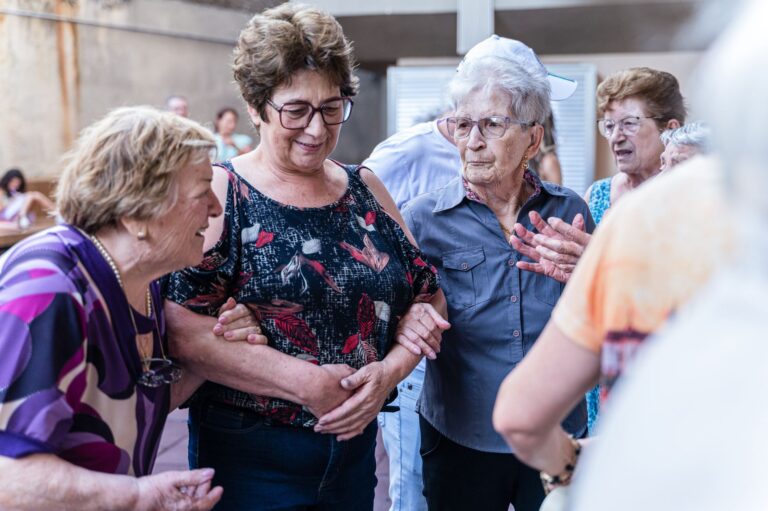
Group singing and group music listening create social benefits beyond individual listening. In a care facility or adult day program, group singing can foster a sense of community and belonging among people with dementia who might otherwise feel isolated and disconnected. Group activities provide non-verbal ways to participate and feel included, which is especially valuable for people who feel ashamed or left out due to their speech difficulties or memory loss.
A practical example: a nursing home organized weekly “sing-alongs” featuring songs from the 1940s and 1950s—the era when most residents had grown up. Residents who rarely participated in other activities, who were often withdrawn or agitated, came alive during these sessions. They sang together, made eye contact with neighbors they had not interacted with before, and caregivers reported less medication use for behavioral issues on days when singing was offered. The group activity itself—the social presence of others, the shared participation—appeared to amplify the benefit beyond what individual listening might provide.
Music Therapy as a Formal Intervention
Music therapy, when delivered by a trained music therapist, goes beyond simply playing recordings or sing-alongs. A certified music therapist assesses an individual’s response to different types of music, uses music intentionally to address specific behavioral or therapeutic goals, and adapts the intervention based on ongoing observation. This formalized approach can be more effective than informal music use, particularly for complex situations or people who do not respond to standard approaches.
However, access to certified music therapists is limited and often not covered by insurance. The practical reality for most families is that informal music use—family members or caregivers providing music—is the primary option. The good news is that informal music is still evidence-based and effective when done with attention to the person’s preferences and responses. As research continues to clarify which music interventions work best for which types of dementia and behavioral presentations, we may see more integration of music into standard dementia care protocols, potentially improving access and consistency of this intervention.
Conclusion
Music offers a genuine and practical means of reaching people with dementia when language-based communication fails. By engaging different brain systems than speech, music can unlock memory, emotion, and connection that might otherwise be inaccessible. For many people with dementia and their families, music becomes a bridge—a way to feel less alone and more understood despite the profound losses dementia brings.
The key is approaching music thoughtfully. Personalized playlists, attention to individual response, a calm environment, and realistic expectations about what music can accomplish will yield the best results. Music will not restore lost memory or slow cognitive decline, but it can significantly improve quality of life, reduce agitation, and create moments of genuine human connection. For someone caring for a person with dementia, it is a tool worth learning to use well.
Frequently Asked Questions
What if my loved one with dementia has hearing loss? Can music still help?
Yes, but hearing aids or proper amplification become essential. Have the person’s hearing checked and adjusted before trying music interventions. Even with hearing loss, properly amplified music from their past can be effective.
How long should a music session last?
Start with 15-30 minutes and watch for signs of fatigue or overstimulation. Some people benefit from shorter, frequent sessions rather than one long session. Adjust based on response—if engagement drops or agitation increases, it may be time to end the session.
Should I use live music or recordings?
Live music, even if it is just a family member singing or playing an instrument, often produces stronger engagement. But recordings are more practical for daily use. Use whichever you can do consistently and your loved one responds to.
Can music help with behavior problems like wandering or aggression?
Music can reduce some behavioral symptoms, particularly agitation and aggression, and may create calmer periods. However, it is not a substitute for medical evaluation. If behavior problems are severe, discuss medication, environmental factors, and other interventions with a doctor.
What songs work best for dementia patients?
Personalized songs matter most—music from the person’s young adulthood and significant life events. Ask family members about their musical history, not just popular “dementia playlists.” Individual response varies widely.
Is music therapy different from just playing music at home?
A certified music therapist uses music as a targeted intervention with specific therapeutic goals. It can be more effective for complex situations. However, evidence supports informal music use as beneficial too. Start with what is available and accessible to you.
You Might Also Like
- Can Home Modifications Help Dementia Patients Stay Independent?
- Can Dementia Patients Adjust to Facility Living?
- Why Driving Safety Becomes Complicated With Dementia
For more, see National Institute on Aging.