Reviewed by the Help Dementia Editorial Team — our editors review every article for accuracy against guidance from the National Institute on Aging, the Alzheimer’s Association, and peer-reviewed sources.
Yes, midlife hypertension can significantly affect memory later in life. Research increasingly shows that elevated blood pressure in middle age is associated with cognitive decline and increased risk of memory problems in older age. For example, a person diagnosed with hypertension at 45 who doesn’t manage it effectively may experience measurable memory decline by their 60s or 70s—difficulty remembering names, trouble recalling recent conversations, or noticeable slower processing speed.
The connection isn’t immediate or inevitable, but the relationship is significant enough that doctors now consider uncontrolled midlife hypertension a modifiable risk factor for cognitive decline. Your blood pressure in your 40s and 50s is one of the strongest predictors of how your brain will function decades later. What makes this finding important is that hypertension is preventable and treatable. Unlike genetic factors you can’t change, high blood pressure in midlife is something you can actually address with lifestyle changes and medication.
Table of Contents
- How Does Midlife Hypertension Damage the Brain?
- The Window of Opportunity and Blood Pressure’s Critical Years
- Other Brain Changes Associated with Hypertension
- What Blood Pressure Numbers Matter Most for Your Brain?
- The Role of Lifestyle Factors and Medication Timing
- Checking Your Blood Pressure and Early Signs
- Future Prevention and the Window for Action
- Conclusion
- Frequently Asked Questions
How Does Midlife Hypertension Damage the Brain?
The mechanism is straightforward: sustained high blood pressure damages the small blood vessels throughout your brain. These vessels, called capillaries, are responsible for delivering oxygen and nutrients to brain cells. When blood pressure is constantly elevated, it creates a kind of wear and tear on these delicate structures—imagine water pressure that’s too high repeatedly stressing the pipes in a house. Over time, this vascular damage leads to what doctors call vascular cognitive impairment. The brain doesn’t get enough blood flow in certain regions, particularly the white matter—the “wiring” that connects different brain areas.
When white matter deteriorates, signals between brain regions slow down, affecting memory recall, processing speed, and decision-making. A 55-year-old with chronic high blood pressure might notice they’re forgetting names or appointments more often, or taking longer to understand what someone is saying, which can be an early sign of this process already underway. The damage can be silent and progressive. You might not feel anything wrong while your blood vessels are being damaged. By the time you notice memory problems, years of cumulative vascular injury may have already occurred, which is why early detection and treatment matter so much.

The Window of Opportunity and Blood Pressure’s Critical Years
The critical years for brain health appear to be from the mid-40s through the early 60s. Hypertension in this period, when your brain is still in relatively good condition, causes the most significant long-term damage. Compared to people who maintain normal blood pressure throughout midlife, those with uncontrolled hypertension show faster cognitive decline in later years. One important limitation: we can’t say with certainty that treating hypertension now will completely prevent memory problems later. Aging itself is a risk factor for cognitive decline, and no amount of blood pressure management can stop time.
However, research strongly suggests that controlling midlife hypertension reduces your risk substantially. People who get their blood pressure under control at 50 tend to have better memory and thinking abilities at 70 than those who don’t address it. Another consideration is that blood pressure control doesn’t erase damage that’s already occurred. If you’ve had hypertension for 10 years without treatment, managing it now will slow further decline but won’t reverse what’s already happened. This is a critical distinction—treatment prevents future damage but can’t fully undo past injury.
Other Brain Changes Associated with Hypertension
Beyond vascular damage, chronic hypertension contributes to other brain changes linked to cognitive decline. High blood pressure is associated with increased risk of small strokes you might not even notice—sometimes called “silent strokes.” These tiny brain infarcts happen without obvious symptoms but accumulate over time, chipping away at cognitive function. Someone might have three or four of these silent strokes over a decade and attribute their increasing forgetfulness to “normal aging” when vascular disease is actually progressing. Hypertension also appears to increase the risk of developing amyloid plaques and tau tangles, the hallmark pathological changes seen in Alzheimer’s disease.
This doesn’t mean hypertension causes Alzheimer’s, but having uncontrolled blood pressure may accelerate pathological changes if you’re already genetically predisposed to the disease. A person with both uncontrolled hypertension and a family history of Alzheimer’s is at particularly elevated risk. Additionally, high blood pressure can contribute to brain inflammation and affect the glymphatic system—the brain’s “cleaning” process that removes waste products during sleep. When this system isn’t functioning optimally due to vascular damage, waste accumulates in the brain, potentially contributing to cognitive problems.
What Blood Pressure Numbers Matter Most for Your Brain?
The relationship between blood pressure and brain health isn’t simply a matter of having “high” or “normal” blood pressure. Research shows that even moderately elevated pressure—what doctors used to consider “prehypertension”—is associated with cognitive decline over decades. A reading of 130/80 (which is now classified as stage 1 hypertension) carries measurable long-term cognitive risk, compared to 120/80 or lower. For brain health specifically, lower is generally better, within reason. The sweet spot appears to be below 120/80 throughout midlife.
However, people already in their 60s or 70s with severe cognitive problems might face a different calculation—dropping blood pressure too quickly at that stage can sometimes reduce blood flow to an already compromised brain. This is why blood pressure management needs to be personalized based on your age, overall health, and other risk factors. Your cardiologist and primary care doctor need to work together on what target makes sense for you. One tradeoff worth noting: blood pressure medications do work, but they come with potential side effects—some can affect sexual function, cause fatigue, or lead to dizziness. The benefit to brain health is substantial, but these tradeoffs are real and shouldn’t be dismissed when deciding on treatment.
The Role of Lifestyle Factors and Medication Timing
Lifestyle changes are the first-line intervention and can be surprisingly effective at lowering blood pressure. Regular aerobic exercise (30 minutes most days), a diet rich in vegetables and low in salt, stress reduction, and limiting alcohol can often bring blood pressure down significantly without medication, or allow lower medication doses. A person who starts exercising regularly at 45 and maintains it for 20 years may protect their brain as much as—or perhaps more than—someone who relies only on medications. The warning here is important: don’t assume lifestyle changes alone are enough if you have already developed hypertension.
Some people with genetic predisposition to high blood pressure benefit from lifestyle changes alone, but many require medication too. The danger is delaying medication in hopes that diet and exercise will solve it, when the combination of both—lifestyle plus medication—is what works best for protecting your brain. Another consideration is that starting blood pressure treatment earlier has advantages over waiting. A person treated for hypertension starting at 50 has better outcomes at 70 than someone who doesn’t start treatment until 60, even if they end up at similar blood pressure levels. The years between matter because the cumulative damage you prevent in those years shapes your brain’s health a decade later.

Checking Your Blood Pressure and Early Signs
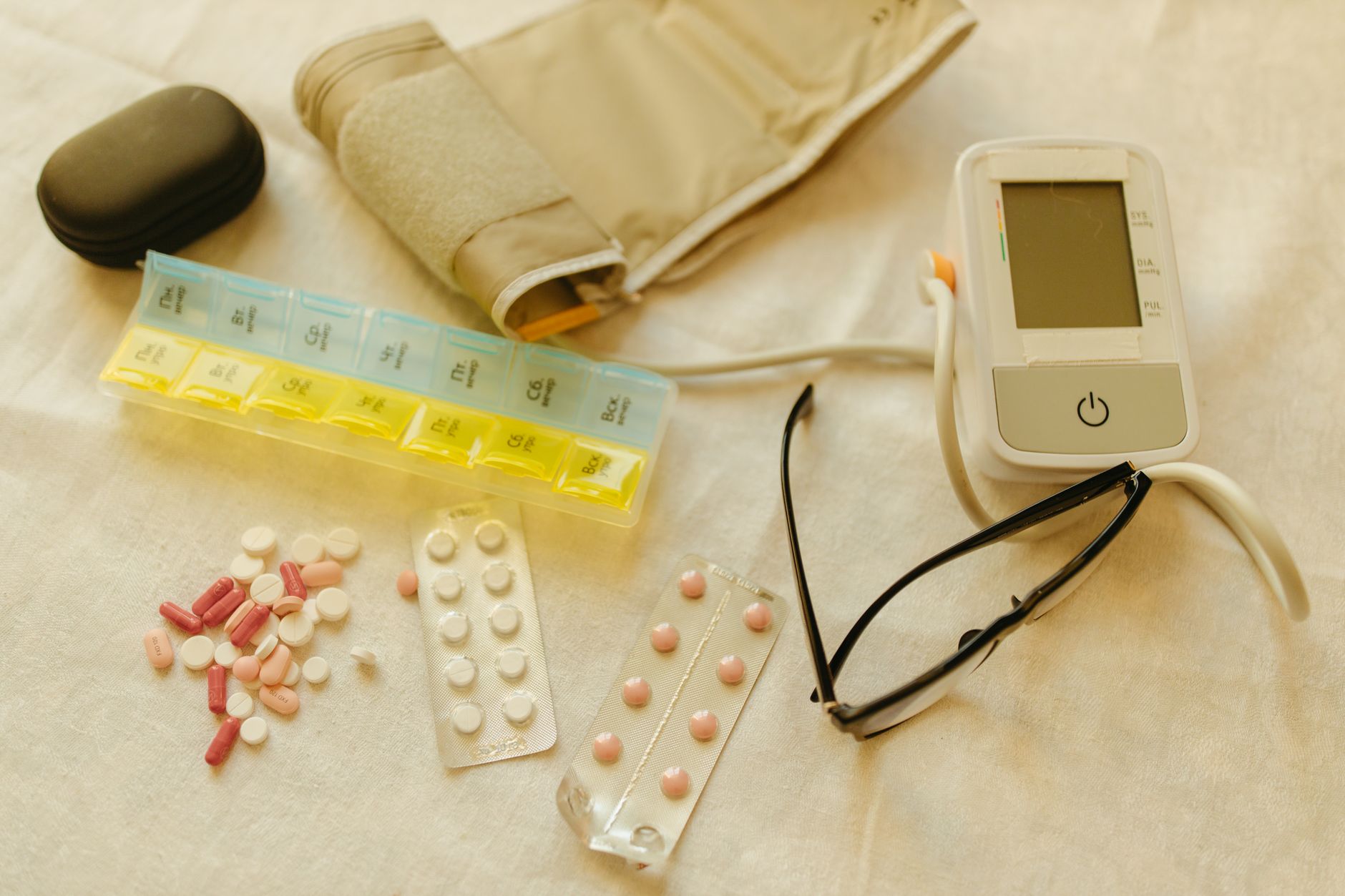
Regular blood pressure monitoring is one of the simplest ways to protect your future cognition. Home blood pressure monitors are affordable and reliable; taking your blood pressure at the same time each day provides better information than occasional checks at a doctor’s office. Many people develop hypertension without any symptoms at all—you can’t feel high blood pressure.
A 48-year-old might have no idea her blood pressure has been 145/95 for three years, silently damaging her brain’s blood vessels. Early cognitive signs that might indicate vascular damage include difficulty remembering what you just read, problems finding words during conversation, trouble focusing in noisy environments, or slower processing speed (taking longer to understand or respond to what people say). These aren’t normal aging and warrant a conversation with your doctor about both cognitive and cardiovascular testing.
Future Prevention and the Window for Action
The optimistic part of the blood pressure-memory story is that research increasingly shows how reversible some of this is if caught early. Studies on people who lowered their blood pressure in midlife show measurable improvements in cognitive function compared to those who remained hypertensive. This isn’t just about slowing decline—it’s about actually maintaining or even improving cognitive performance.
As we learn more about hypertension’s effects on the brain, prevention is shifting toward younger ages. Many doctors now recommend that people in their 30s and 40s pay close attention to blood pressure trends, even if numbers are still technically normal. Knowing your baseline and avoiding the gradual creep upward over decades is easier and more effective than trying to treat severe hypertension later.
Conclusion
Midlife hypertension significantly increases your risk of memory problems and cognitive decline later in life. The mechanism is clear—sustained high blood pressure damages the brain’s blood vessels, leading to reduced oxygen delivery to brain tissue. This damage is cumulative and often silent, which is why knowing your blood pressure numbers now and treating them appropriately is critical for protecting your future cognitive health.
The good news is that this is largely preventable. Managing your blood pressure effectively in your 40s and 50s—through lifestyle changes, regular monitoring, and medication if needed—is one of the most concrete steps you can take to preserve your memory and thinking abilities as you age. Your future brain health is being shaped by your blood pressure management today.
Frequently Asked Questions
Can normal blood pressure in midlife guarantee I won’t develop memory problems later?
No. Normal blood pressure is protective but not a guarantee. Genetics, education level, cognitive activity, other health conditions, and even head injuries all influence memory health. However, controlling blood pressure removes one major modifiable risk factor, which substantially improves your odds.
Is it too late to protect my brain if I’m already 60 and just now controlling my hypertension?
It’s not too late, but the benefit is smaller than if you’d controlled it at 45. That said, controlling blood pressure at any age still slows cognitive decline compared to remaining hypertensive. Starting treatment at 60 is better than waiting until 70.
Do I need to be on blood pressure medication, or can lifestyle changes work alone?
It depends on your individual situation. Some people achieve good blood pressure control with lifestyle changes alone. Many require medication. The most important thing is getting your blood pressure to target levels. Work with your doctor to determine the right approach for you.
How often should I check my blood pressure in midlife if I’m concerned about cognitive decline?
If you have normal blood pressure, checking annually at your regular doctor visits is fine. If you have prehypertension or hypertension, home monitoring once or twice daily is ideal to track trends and ensure your treatment is working. This data helps your doctor make better decisions about your care.
Are there specific blood pressure medications better for brain health than others?
Some classes of blood pressure medication (particularly ACE inhibitors and angiotensin receptor blockers) may have slight additional brain-protective effects beyond just lowering blood pressure, but the most important thing is that your blood pressure is controlled. Talk to your doctor about which medication class is right for you based on your full health picture.
Can high blood pressure cause sudden memory loss, or does it always develop gradually?
Gradual cognitive decline is the typical pattern with chronic hypertension. However, large strokes from uncontrolled hypertension can cause sudden memory loss or other cognitive problems. This is another reason to treat hypertension consistently rather than allowing periods of uncontrolled high blood pressure.