Reviewed by the Help Dementia Editorial Team — our editors review every article for accuracy against guidance from the National Institute on Aging, the Alzheimer’s Association, and peer-reviewed sources.
Yes, hobbies do appear to reduce dementia risk, according to research spanning cognitive neuroscience and gerontology. Studies have consistently shown that people who engage regularly in cognitively demanding hobbies—activities like learning languages, playing chess, practicing music, or woodworking—demonstrate lower rates of cognitive decline and dementia compared to those with minimal mental engagement. A landmark study of over 1,000 older adults found that those who participated in cognitive leisure activities had a 50% lower risk of developing mild cognitive impairment, a precursor to dementia. The mechanism is straightforward: the brain is an organ that strengthens through use.
Related guide: Vascular Dementia Stages and Life Expectancy — our comprehensive resource on this topic.
When you engage in a hobby that challenges you mentally, you’re creating new neural connections, maintaining existing brain networks, and building cognitive reserve—a buffer against age-related brain changes. This protective effect isn’t about the hobby’s difficulty level in absolute terms; it’s about the engagement relative to your own baseline. Someone learning their first watercolor technique experiences the same protective cognitive stimulation as an advanced musician learning a new composition. The relationship between hobbies and dementia prevention is robust enough that neuroscientists now classify cognitive engagement as a modifiable risk factor, similar to physical exercise or dietary patterns. Yet the effectiveness depends on consistency, genuine engagement, and choosing activities that hold your interest rather than feeling like obligatory mental exercise.
Table of Contents
- What Does Research Show About Cognitive Engagement and Brain Health?
- How Do Hobbies Strengthen Cognitive Reserve?
- Which Types of Hobbies Offer the Greatest Protection?
- Starting Hobbies at Different Life Stages
- What We Do Not Yet Know About Hobbies and Dementia Protection
- Social Hobbies Versus Solo Cognitive Activities
- Hobbies Within a Broader Dementia Prevention Strategy
What Does Research Show About Cognitive Engagement and Brain Health?
The evidence connecting mental stimulation to lower dementia risk comes from multiple research designs: longitudinal studies following healthy adults for 10 to 20 years, brain imaging studies showing how hobbies affect neural structure, and cognitive testing in clinical populations. The Swedish Twin Registry study, which followed over 1,000 twins into late life, separated the effects of genetics from lifestyle and found that cognitive engagement was independently protective even when controlling for family history of dementia. Another analysis of six prospective studies found that high cognitive engagement reduced dementia risk by approximately 46%. However, not all hobbies deliver equal protection. The key factor is *active engagement* in activities that require concentration and mental problem-solving.
Passive activities—watching television, even educational programming—show no protective effect. The difference lies in whether your brain is passively receiving information or actively processing, deciding, and creating. A person solving crosswords engages memory, language, and strategic thinking; a person reading trivia facts does not activate the same cognitive networks. The protective effect appears to build over time. One study found that people who began cognitive hobbies in their 60s showed measurable improvements in cognitive function within two years, suggesting that it is never too late to gain benefit. This differs from other dementia risk factors that are largely determined by earlier life choices; cognitive engagement remains modifiable throughout life.
How Do Hobbies Strengthen Cognitive Reserve?
Cognitive reserve refers to the brain’s resilience and ability to tolerate pathological changes without showing clinical symptoms. When you practice a hobby that demands learning and concentration, you strengthen synaptic connections, increase gray matter volume in certain regions, and build redundant neural pathways. If dementia-related pathology later damages parts of your brain, these extra connections allow other brain regions to compensate. Someone with high cognitive reserve may have significant Alzheimer’s pathology at autopsy yet showed no cognitive symptoms during life. Brain imaging studies show that cognitively engaged older adults have stronger connectivity in networks associated with executive function, working memory, and attention.
More remarkably, these benefits appear in gray matter volume specifically in the prefrontal cortex and hippocampus—regions particularly vulnerable to dementia. Learning a musical instrument, for instance, produces measurable growth in the auditory cortex and regions controlling fine motor coordination; these structural changes correlate with improved overall cognitive performance. A critical limitation here is that cognitive reserve operates somewhat independently of underlying brain disease. Someone with high cognitive reserve can still develop dementia; they may simply show symptoms later or express them less severely. Additionally, the brain’s capacity to build new connections declines with age, particularly in the oldest-old population (85+). This does not mean hobbies stop being beneficial at advanced ages, but the degree of neural change per unit of engagement may diminish compared to someone aged 65.
Which Types of Hobbies Offer the Greatest Protection?
research consistently highlights activities requiring active learning, problem-solving, and decision-making. Playing chess, learning languages, learning musical instruments, engaging in creative writing, and practicing visual arts (painting, sculpture, photography) all demonstrate strong associations with lower dementia risk. These hobbies share a common feature: they require you to learn rules or techniques, make decisions within those frameworks, and track progress. Consider the difference between two musicians: one who plays memorized pieces from sheet music versus one actively learning new compositions or improvising.
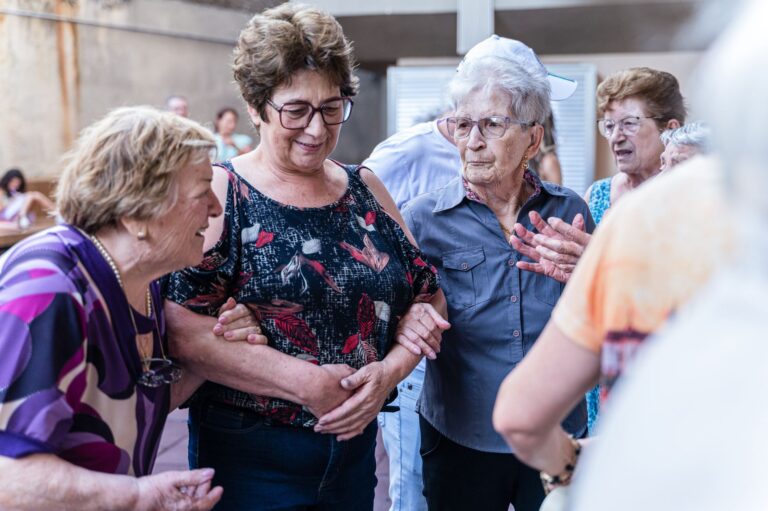
Both activate musical networks, but the learner engages additional attention and working memory systems. Similarly, someone doing a crossword puzzle that they solve in 15 minutes gains less protection than someone learning to play the violin, where each practice session involves multiple novel challenges and gradual skill progression. Social hobbies offer an additional advantage beyond cognitive stimulation. Participating in a knitting circle, playing in a band, or joining a book club combines cognitive engagement with social interaction, and both components independently reduce dementia risk. Solitary hobbies like solo painting still protect the brain, but adding a social element—joining an art class or painting group—amplifies the benefit.
Starting Hobbies at Different Life Stages
The brain’s plasticity—its ability to form new connections—declines but does not disappear in older age. Someone beginning a challenging hobby at 70 will experience measurable cognitive benefits, though the pace of learning and degree of neural change may be somewhat slower than someone starting at 40. The practical implication is that age alone should not discourage people from taking up new hobbies. People who have practiced hobbies throughout life typically have stronger cognitive reserve than those beginning in late life, but the lifetime learner still gains protection.
One study compared people who had maintained consistent hobbies for 30 years versus those who started cognitive hobbies after age 60; both groups showed lower dementia risk than controls, though the long-term hobbyists had a modest additional advantage. This suggests that while consistency matters, the protective pathway remains open even to older adults. A key practical consideration: starting a challenging hobby takes initial effort, and the learning phase can feel frustrating. Someone taking up language learning or music at 75 may progress more slowly than a younger person, and without realistic expectations, they might abandon the hobby prematurely. Setting modest, achievable goals—learning conversation phrases rather than fluent Italian, playing simple pieces rather than concert hall repertoire—allows engagement with the cognitive benefits without overwhelming demands.
What We Do Not Yet Know About Hobbies and Dementia Protection
The research demonstrates association between cognitive engagement and lower dementia risk, but causation remains incompletely established. One alternative explanation is reverse causation: people with early, undetected cognitive decline might naturally withdraw from hobbies, making it appear that low hobby engagement causes dementia when actually emerging dementia causes hobby withdrawal. While some studies control for baseline cognitive status, this remains a limitation in the field. Additionally, much dementia research focuses on Alzheimer’s disease pathology, but dementia includes multiple causes: vascular dementia, frontotemporal dementia, Lewy body disease, and others.
The protective effects of cognitive hobbies are best established for Alzheimer’s disease; the data for other dementia types remain limited. Someone with vascular dementia risk factors—high blood pressure, diabetes, stroke history—may benefit less from hobbies alone without addressing cardiovascular health. The field also lacks precise information about dose-response relationships. How many hours per week of hobby engagement maximize protection? Is 5 hours of intensive weekly engagement equal to 15 hours of lighter engagement? Different studies use different definitions of cognitive engagement, making direct comparisons difficult. Current evidence suggests regular engagement—several times per week—is more protective than occasional engagement, but the exact threshold remains unknown.
Social Hobbies Versus Solo Cognitive Activities
Hobbies conducted in group settings—book clubs, team sports, group art classes—offer the dual benefits of cognitive engagement and social connection, and both contribute independently to dementia prevention. Social isolation is recognized as a significant dementia risk factor, while frequent social engagement protects cognition through multiple pathways: stress reduction, motivation to maintain cognitive function, and opportunities for meaningful social role-taking.
Solitary hobbies like solo chess study or writing manuscripts still protect the brain through their cognitive demands alone. Someone unable or unwilling to participate in group activities still gains measurable protection from engaging in a demanding individual hobby. However, in the context of overall dementia prevention, combining hobbies with social engagement likely offers superior protection compared to either element in isolation.
Hobbies Within a Broader Dementia Prevention Strategy
Cognitive hobbies reduce dementia risk, but they are one component of a comprehensive prevention approach rather than a standalone intervention. The most robust evidence exists for combinations of strategies: regular aerobic physical exercise, Mediterranean-style diet, cognitive engagement, quality sleep, social connection, and management of cardiovascular health. Someone who engages in intellectually stimulating hobbies but maintains a sedentary lifestyle and poor sleep hygiene still carries elevated dementia risk.
The practical advantage of hobbies within this framework is that they are inherently sustainable and enjoyable in ways that exercise or dietary changes may not be for everyone. Unlike taking a medication or following a prescribed exercise routine, a genuine hobby sustains engagement through intrinsic motivation. Someone passionate about woodworking, learning languages, or amateur astronomy will continue their hobby for decades because they find it rewarding, creating a natural, long-term delivery mechanism for the cognitive stimulation that protects brain health.