Reviewed by the Help Dementia Editorial Team — our editors review every article for accuracy against guidance from the National Institute on Aging, the Alzheimer’s Association, and peer-reviewed sources.
Connected health platforms have become essential tools in managing Alzheimer’s disease by allowing patients, caregivers, and medical teams to coordinate care in real time across multiple locations. These digital systems—which include remote monitoring devices, medication management apps, and integrated communication tools—address one of the biggest challenges in Alzheimer’s care: tracking cognitive and physical changes, medication adherence, and behavioral symptoms when patients may live separately from their primary caregivers or in transition between care settings. For example, a family in Seattle can use a connected platform to monitor their mother’s vital signs, medication compliance, and daily activity levels while her neurologist in San Francisco accesses the same data remotely, allowing all parties to adjust her care plan without waiting for quarterly office visits.
These platforms work by centralizing fragmented health information into a single accessible system. Rather than relying on phone calls, scattered notebooks, or memory-dependent updates about how a patient is doing, connected health systems create a continuous record that clinicians and caregivers can reference instantly. This is particularly valuable in Alzheimer’s disease, where subtle changes in behavior, sleep patterns, or medication side effects can signal disease progression or require urgent intervention.
Table of Contents
- How Do Connected Health Platforms Improve Coordination Between Caregivers and Doctors?
- Monitoring Cognitive and Behavioral Changes Through Digital Tools
- Remote Monitoring and Early Detection of Medical Complications
- Medication Management and Adherence in Alzheimer’s Care
- Data Security and Privacy Concerns in Connected Health Systems
- Supporting Caregiver Stress and Burnout
- The Future of AI-Assisted Alzheimer’s Management
- Conclusion
How Do Connected Health Platforms Improve Coordination Between Caregivers and Doctors?
Connected health platforms eliminate the information gaps that often exist between family caregivers and medical professionals in Alzheimer’s care. When a daughter notices her father is sleeping 14 hours a day or refusing meals, she can log this into a shared platform where his neurologist sees it immediately rather than waiting until a scheduled appointment to report it verbally. The doctor can then adjust medications, order tests, or recommend behavioral interventions without unnecessary delays. This real-time communication loop is especially important in Alzheimer’s disease, where early intervention on emerging symptoms can sometimes prevent serious complications like aspiration pneumonia, severe dehydration, or medication interactions.
The coordination extends beyond doctor-patient communication to involve the entire care team. A patient might be under the care of a neurologist, a primary care physician, a psychiatric nurse, and a physical therapist—each of whom previously worked in separate silos with incomplete information. A connected platform allows all these professionals to see the same medication list, the same daily functional assessments, and the same behavioral notes, reducing duplicate testing and contradictory treatment recommendations. One limitation, however, is that not all healthcare providers use the same platforms; a patient whose neurologist uses one system and whose primary care doctor uses another still faces fragmentation, and the family caregiver may need to manually transfer information between systems.

Monitoring Cognitive and Behavioral Changes Through Digital Tools
Tracking Alzheimer’s progression requires ongoing observation of cognitive decline and behavioral symptoms, and connected health platforms provide structure to this otherwise subjective process. Digital tools can track specific, measurable indicators: medication timing and whether doses were actually taken, sleep and wake patterns, activity levels, social engagement, and behavioral incidents. Some platforms include mini-cognitive assessments that patients or caregivers complete regularly, creating a numerical trend line that can reveal subtle cognitive decline that might otherwise be attributed to normal aging or bad mood. However, these tools come with important limitations.
A wearable device can tell you that someone walked less today than yesterday, but it cannot capture why—whether the person is more depressed, in physical pain, experiencing a medication side effect, or simply choosing to rest. Relying too heavily on digital metrics can create a false sense of objectivity and lead caregivers to miss context that explains the numbers. Additionally, many cognitively intact older adults find wearables uncomfortable or confusing, but Alzheimer’s patients—who are less able to understand why they are wearing a device—often refuse them or become agitated by them. There is also the question of false alarms: a platform flagging that a patient’s activity level dropped 20% might prompt unnecessary medical workups when the decline is actually explained by a rainy day or a temporary illness.
Remote Monitoring and Early Detection of Medical Complications
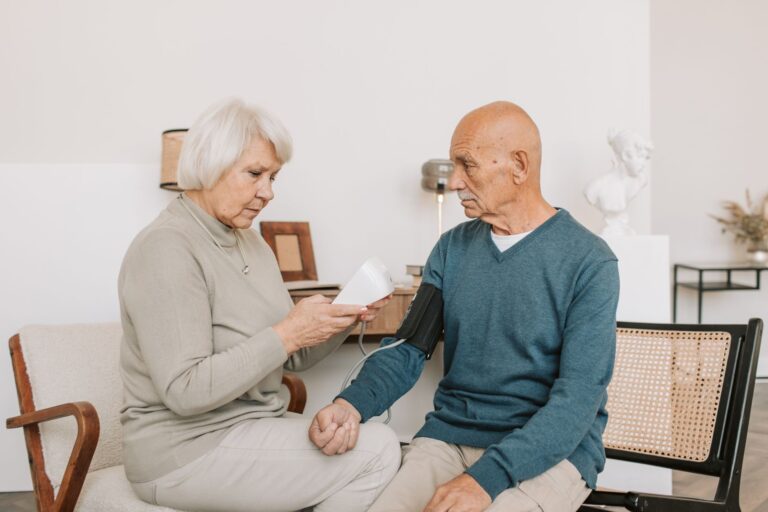
One of the most dangerous aspects of Alzheimer’s disease is that patients often cannot communicate when something is physically wrong. A person with advanced dementia cannot say, “My leg is swollen” or “I’m having chest pain.” Remote monitoring tools can detect some of these problems before they become emergencies by watching for changes in vital signs, mobility patterns, or behavior that might signal a urinary tract infection, heart arrhythmia, or pneumonia. For instance, a patient with Alzheimer’s who suddenly becomes agitated or confused—what caregivers might attribute to disease progression—might actually have a treatable urinary tract infection. A connected platform that includes blood pressure monitoring, oxygen saturation tracking, or activity sensors can help flag these medical emergencies earlier.
A concrete example is remote cardiac monitoring for Alzheimer’s patients who have atrial fibrillation, a condition that increases stroke risk. A connected device can continuously monitor heart rhythm and alert the care team to irregular episodes, allowing for earlier intervention and medication adjustment. The drawback is that remote monitoring also generates considerable data, and not all alerts are clinically meaningful. A patient’s heart rate variability might increase during a normal stressful event—a thunderstorm, a visit from a grandchild—and trigger an alert that sends the family rushing to the emergency room unnecessarily. Over-monitoring can lead to both caregiver anxiety and unnecessary medical interventions.

Medication Management and Adherence in Alzheimer’s Care
Medication non-adherence is a serious problem in Alzheimer’s disease because patients increasingly cannot remember to take their medications and may resist taking pills they don’t understand. Connected health platforms address this through smart pill dispensers, automated reminders, and adherence tracking that alerts caregivers when doses are missed. Some systems go further and integrate with pharmacies to refill prescriptions automatically, eliminating another step that busy or overwhelmed caregivers might forget. Compare two scenarios: In the first, a caregiver relies on memory and visual inspection of the pill bottle to know whether her mother took her dementia medication, blood pressure medication, and antidepressant today.
She might guess wrong, leading to missed doses or accidental double-dosing. In the second scenario, a smart dispenser holds all three medications, dispenses only the correct dose at the correct time, and sends an alert to the caregiver’s phone if the dose isn’t taken within 30 minutes. The tradeoff, however, is cost and technology burden. A smart medication system can cost several hundred dollars monthly, and it requires the caregiver to remember to refill the device, troubleshoot technical problems, and understand digital alerts. For families with limited tech literacy or financial resources, these systems can be overwhelming rather than helpful.
Data Security and Privacy Concerns in Connected Health Systems
Alzheimer’s care generates deeply sensitive personal health information—not just medical diagnoses but detailed behavioral data, location information (if the platform includes GPS tracking to prevent wandering), bathroom habits, and decline trajectories. This information is valuable to bad actors and requires robust security, yet many connected health platforms, especially smaller startups focused on dementia care, lack the security infrastructure of large healthcare systems. A breach could expose intimate details about a patient’s cognitive state and behavioral problems to identity thieves, scammers, or insurance companies seeking to deny coverage.
A warning that should not be minimized: some families have discovered that smart home devices or wearables connected to health platforms have collected data that later affects insurance eligibility or costs. There is also the issue of data retention. When a patient dies, what happens to years of detailed health records stored in a company’s cloud servers? Some platforms may delete data after a certain period, losing important medical history, while others retain it indefinitely, raising questions about what happens if the company is acquired or goes bankrupt. Additionally, patients with Alzheimer’s cannot consent to sharing their data, and sometimes family members disagree about what information should be shared or with whom, creating ethical complications that platforms do not always address clearly.

Supporting Caregiver Stress and Burnout
Informal caregivers—usually adult children or spouses—provide the vast majority of day-to-day Alzheimer’s care and face extreme stress, depression, and burnout. Connected health platforms can alleviate some of this burden by automating routine tracking, reducing the frequency of crisis calls to doctors, and allowing caregivers to delegate some monitoring to digital systems. Some platforms also include caregiver support features such as reminders for the caregiver’s own self-care, access to support groups, or educational resources about managing behavioral symptoms.
However, technology alone does not fix caregiver burnout. In fact, poorly designed platforms can increase stress by generating false alarms, requiring constant attention to app notifications, or creating the expectation that the caregiver can now “do more” with the patient’s care. A study of family caregivers using connected health systems found that while some felt relief from continuous monitoring, others felt increased anxiety from constant data about their loved one’s decline. The burden of choosing and managing technology can also fall entirely on the caregiver, adding another task to an already overwhelming workload.
The Future of AI-Assisted Alzheimer’s Management
As artificial intelligence becomes integrated into connected health platforms, these systems are beginning to recognize patterns in patient data that human observers might miss—for example, predicting behavioral decline 2-3 weeks before it becomes severe, or identifying when a patient’s medication regimen is becoming counterproductive. Machine learning algorithms trained on thousands of patients can flag subtle changes in gait, speech patterns, or activity timing that correlate with disease progression or adverse outcomes.
This could allow interventions before crises occur, potentially improving quality of life and reducing preventable hospitalizations. Looking forward, the most effective Alzheimer’s management systems will likely combine connected health platforms with stronger primary care infrastructure, better caregiver support, and clearer regulations around data privacy and algorithm transparency. The technology alone—the wearables, the apps, the remote monitoring—are only as valuable as the clinical response they generate and the human relationships they support.
Conclusion
Connected health platforms have moved beyond experimental tools to become practical resources for managing Alzheimer’s disease across distributed care teams. By centralizing information, automating routine monitoring, and enabling real-time communication between caregivers and clinicians, these systems address real gaps in coordination and early detection.
They are not a substitute for in-person relationships or regular clinical care, but they can be powerful complements that reduce preventable complications and allow families to extend safe care for longer. The key to making these platforms work is matching the technology to the specific needs and capabilities of each patient and family, addressing privacy and security concerns seriously, and recognizing that better technology should reduce burden on caregivers, not increase it. Families considering connected health platforms should talk directly with their neurologist about which tools are evidence-based for their specific situation, ensure that all household members understand why the technology is being used, and remain alert to whether the system is genuinely improving care or simply adding complexity and anxiety.
You Might Also Like
- Athletic Events Create Platforms for Alzheimer’s Disease Advocacy
- Wearable Health Devices May Aid Alzheimer’s Symptom Tracking
- Smart Health Solutions Modernize Alzheimer’s Patient Assessment
For more, see National Institute on Aging.