Reviewed by the Help Dementia Editorial Team — our editors review every article for accuracy against guidance from the National Institute on Aging, the Alzheimer’s Association, and peer-reviewed sources.
Community-based events sits at the center of this dementia and brain health question.
Community-based events create meaningful avenues for hope and connection among Alzheimer’s families by breaking the isolation that often accompanies a dementia diagnosis and providing spaces where caregivers and patients can interact with others who truly understand their experience. When a family member receives an Alzheimer’s diagnosis, the emotional landscape shifts dramatically—caregiving becomes all-consuming, social circles often shrink, and families frequently feel cut off from normal life. Events specifically designed around dementia care—whether support groups, recreational outings, educational workshops, or memory cafés—serve as lifelines that reconnect families to community, reduce the emotional burden of caregiving, and remind both patients and caregivers that they are not alone. A family attending their first memory café, for example, often experiences a visible shift in demeanor as they realize other families face the same daily challenges, behavioral changes, and difficult conversations they do.
The value of these community spaces extends beyond simple companionship. Research consistently shows that social engagement and peer support directly influence caregiver burnout levels, quality of life for people with dementia, and overall family resilience. Events create what researchers call “reciprocal support”—caregivers both give and receive help, advice, and emotional validation in ways that formal healthcare interactions cannot replicate. Families report that knowing their loved one with dementia is in an environment designed with their condition in mind allows them to relax, while the person with dementia often experiences reduced anxiety and increased engagement when surrounded by peers and staff trained in dementia-responsive approaches.
Table of Contents
- Why Community Connection Matters Most During a Dementia Diagnosis
- The Mental Health and Emotional Benefits of Shared Experience
- Building Lasting Social Networks and Practical Support Systems
- Practical Ways Families Can Find and Participate in Community Events
- Challenges and Realistic Expectations When Attending Community Events
- Different Types of Community Events: From Support Groups to Recreation
- The Growing Movement of Community-Centered Dementia Care
- Conclusion
- Frequently Asked Questions
Why Community Connection Matters Most During a Dementia Diagnosis
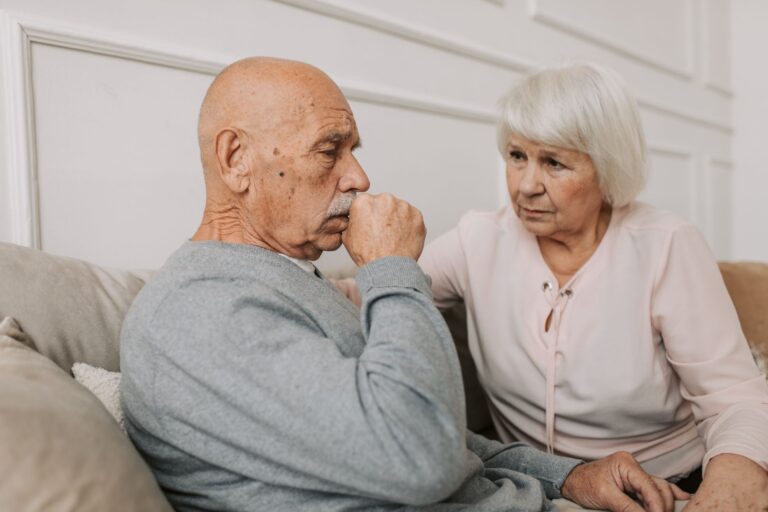
The diagnosis of Alzheimer’s disease or another form of dementia can feel like stepping into a separate, isolated world. Many families describe a sudden loss of their previous social life—friends gradually stop calling, invitations dry up, and conversations become awkward because others don’t understand what the family is experiencing. community events specifically designed around dementia reverse this pattern by creating spaces where the diagnosis is not an outlier but the central shared context. Unlike general social events where caregivers might spend the entire time managing their loved one’s behavior or explaining the condition, dementia-focused events allow families to simply be present without the exhaustion of constant education or justification. The connection formed in these spaces often becomes more meaningful than friendships maintained outside the dementia context.
A caregiver daughter who meets another daughter caring for a parent with Alzheimer’s at a support group, for example, might exchange phone numbers and text years later about specific medication side effects, difficult behavioral moments, or simply to remind each other they’re doing a good job. These relationships carry weight because they’re built on shared, lived experience rather than proximity or prior history. Families report that these connections become essential touchstones, offering validation that their experience is real and their feelings legitimate. Community events also counteract one of the most damaging aspects of dementia caregiving: the belief that the situation is somehow your fault or that your struggle means you’re failing. When a caregiver hears another person describe the exact same behavior—a spouse with Alzheimer’s repeatedly asking the same question, a parent no longer recognizing them—the shame and self-blame often begin to dissolve. This normalization of experience is difficult to replicate in individual therapy or online forums and is one reason why in-person community events maintain their importance despite the availability of digital alternatives.

The Mental Health and Emotional Benefits of Shared Experience
The mental health impact of dementia caregiving is well-documented: caregivers experience depression rates two to three times higher than the general population, with anxiety, grief, and caregiver burnout affecting nearly 40% of family caregivers at some point. Community-based events interrupt this downward spiral by providing structured opportunities for emotional processing and social connection, both of which are scientifically proven interventions for depression and anxiety. When a caregiver sits in a room with eight other people who are also losing a parent or spouse to dementia, the weight of that loss becomes more bearable—partly because it’s shared, and partly because the event itself communicates a message: your experience is important enough to gather around. Support groups and social events also create what therapists call “witnessed grief”—the experience of expressing your pain in front of others who validate it without trying to fix it. A caregiver describing her mother’s increasing inability to recognize her is not met with “but she still knows you love her” or “at least you have good memories,” but with nods of understanding and often similar stories.
This witnessed, non-dismissive processing of grief prevents the complicated grief that can develop when feelings are hidden or minimized. research on caregiver support groups shows participants report significant reductions in depression and anxiety symptoms within 8-12 weeks of regular attendance, with benefits sustaining for months after the support group ends. However, it’s important to acknowledge that community events and support groups are not a cure-all and should not replace professional mental health care when a caregiver is experiencing clinical depression or suicidal ideation. Some caregivers also report that attending events in the early stages of diagnosis can feel overwhelming rather than comforting—hearing stories of advanced dementia when a loved one is newly diagnosed can trigger fear and anxiety rather than hope. The timing and readiness for community engagement varies widely, and families should give themselves permission to start participating in events only when they feel ready, not when they think they should.
Building Lasting Social Networks and Practical Support Systems
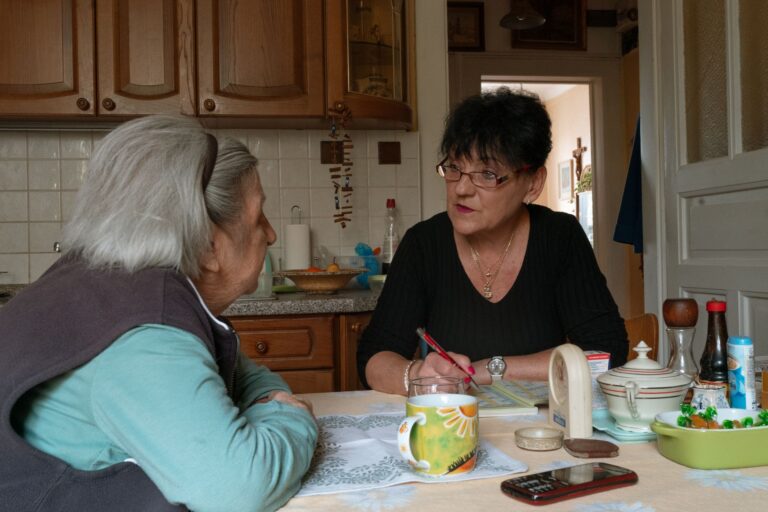
One of the most underestimated outcomes of community events is the practical support network that often forms organically. A caregiver who meets another caregiver at a support group might eventually ask for help with transportation, grocery shopping, or simply someone to sit with their loved one for an hour while they shower or rest. These informal exchanges of practical help become part of the social fabric that sustains families through the hardest phases of dementia. Some formal community programs, like evidence-based caregiver training initiatives or structured social programs run by Alzheimer’s organizations, explicitly build in time for caregivers to exchange contact information and establish ongoing connections. The social network formed through community events also often creates what researchers call “bridging capital”—connections that link families to broader resources and information. A caregiver who attends a community event and meets someone further along in the caregiving journey might learn about local adult day programs, respite care options, or practical tips for managing challenging behaviors.
This information transfer often happens informally but is no less valuable than formal case management. One family might learn about a specific neurologist who specializes in younger-onset dementia, while another discovers a community volunteer service that provides free in-home visits for isolated seniors. These networks prevent families from having to individually discover services that others have already researched. Community events also create accountability and continuity in ways that passive online communities cannot. When a caregiver attends a weekly support group, other members notice if they stop coming and often reach out to check on them. This built-in accountability can prevent the social withdrawal that often accompanies severe caregiver burnout. A caregiver who feels entirely alone might be less likely to reach out for professional help, but a peer who notices absence and asks “where have you been?” can become the catalyst for someone finally admitting they need more support.

Practical Ways Families Can Find and Participate in Community Events
Finding community events focused on dementia requires some intentional searching, but the infrastructure is steadily expanding. The Alzheimer’s Association maintains a nationwide directory of local chapters, support groups, and events, which is often the most comprehensive starting point for families beginning their search. Many large hospital systems now host memory cafés, caregiver training programs, or wellness events specifically designed for families affected by dementia. Smaller communities may have events through local senior centers, faith-based organizations, or specialized dementia care agencies. Some families also discover events through their neurologist’s office, where staff often maintain lists of local resources and recommendations. The variety of event types means families can choose formats that suit their preferences and their loved one’s abilities. A person in early-stage dementia might thrive at a memory café—a low-pressure social gathering with light snacks and activities where people with dementia can socialize while caregivers get a chance to talk—whereas a caregiver of someone in advanced dementia might find more value in a caregiver-only support group focused on later-stage issues.
Some families prefer educational events that teach practical skills like communication strategies or behavioral management, while others prioritize recreational outings or art-based programs that engage both patients and caregivers together. The key difference compared to generic community activities is that dementia-specific events are staffed and designed with the condition in mind, meaning staff members understand behavioral changes and communication differences and adapt activities accordingly. The trade-off families often face is between time investment and benefit. Community events require time away from other responsibilities, travel, and sometimes a modest fee. Some families justify this investment by attending one event monthly, others weekly, and some find that even quarterly attendance provides enough connection and support. Starting with a single event often feels less daunting than committing to ongoing participation, and families should frame initial attendance as exploration rather than obligation. Many events offer first-time visitor packages or introduction sessions specifically designed to answer questions and reduce anxiety about attending.
Challenges and Realistic Expectations When Attending Community Events
While community events offer significant benefits, families should enter these spaces with realistic expectations about what they can and cannot provide. Not all support groups or community events are well-run, and a poorly facilitated group—one dominated by a particularly negative member, led by a facilitator without training in group dynamics, or lacking in basic organizational skills—can actually leave participants feeling worse rather than better. A family should feel comfortable trying different events until they find one that feels like a good fit, and they should not feel obligated to continue attending an event that isn’t meeting their needs. The emotional weight of being in community with others experiencing dementia can also be challenging, particularly during certain phases of the disease. A family attending a support group while their loved one is newly diagnosed might hear stories from families whose loved ones have progressed to severe dementia, and this glimpse into the future can trigger anticipatory grief and anxiety rather than comfort.
Similarly, the loss of someone in the community—when a person with dementia in the group passes away—can be unexpectedly painful for other families, even when that person is not a close personal friend. Communities focused on dementia loss are, by definition, communities affected by mortality, and families should be mentally prepared for that reality. Accessibility barriers also limit participation for some families. Transportation challenges, costs associated with events, language barriers, cultural differences in how dementia is understood and discussed, and the logistical difficulty of finding childcare while attending an event can all prevent families from accessing community resources. Some communities have addressed this by offering virtual support groups or events, which increases accessibility but loses some of the in-person connection benefits. Families with limited resources should also know that many established organizations like the Alzheimer’s Association offer free or sliding-scale support groups and educational events specifically because accessing support should not be dependent on financial means.

Different Types of Community Events: From Support Groups to Recreation
Community events focused on dementia span a wide range of formats, each serving different needs and preferences. Support groups remain the most common format—typically small groups of caregivers (or sometimes mixed groups of patients and caregivers) who meet regularly to discuss challenges, share coping strategies, and provide emotional support. These range from informal peer-led groups to professionally facilitated groups, with research generally showing that structured, professionally-led groups produce better mental health outcomes, though well-run peer-led groups can be equally valuable. Memory cafés represent a different model: low-pressure social gatherings (often held in cafés or community centers) where people with dementia can socialize and participate in simple activities while caregivers socialize separately or together. These are particularly valuable for early-to-mid stage dementia when the person can still engage socially but may feel uncomfortable in typical social settings. Educational events and workshops provide another category of community programming, often covering topics like communication strategies, behavioral management, legal and financial planning, or self-care for caregivers.
These events serve both an informational function and a community-building function, as caregivers often form connections while learning practical skills they can immediately apply. Recreational or activity-based events—art classes, music therapy, gardening programs, or gentle exercise classes designed for people with dementia—provide opportunities for engagement and enjoyment that can reduce behavioral and mood problems for the person with dementia while giving caregivers a break. A family attending a weekly music program designed for people with dementia, for example, often observes their loved one becoming more engaged and present during the hour of music than they typically are at home. Some communities also host larger events like memory walks or fundraisers that combine community building with advocacy and fundraising for dementia research and services. These events create a sense of collective purpose and solidarity—being part of a large group marching together for memory creates a powerful statement that dementia matters, that the lives of people affected are important, and that change is possible. These events tend to be particularly meaningful for families who want to transform their experience of caregiving into something that might help others.
The Growing Movement of Community-Centered Dementia Care
The recognition that community connection is essential to dementia care quality is relatively recent in the healthcare field, but it’s growing rapidly. Major healthcare systems and dementia-focused organizations are increasingly investing in community programming as a core component of dementia care, moving away from a model that treats dementia purely as a medical problem requiring clinical interventions. This shift recognizes what families have always known: that losing someone to dementia is as much a social and emotional experience as a medical one, and that isolation compounds the suffering involved.
The future of dementia care appears to be increasingly community-centered, with programs explicitly designed to integrate people with dementia into ordinary community life rather than separating them into specialized facilities or programs. Dementia-friendly community initiatives—where neighborhoods, businesses, and civic organizations are trained to welcome and accommodate people with dementia—represent this broader shift toward inclusion rather than segregation. As dementia becomes more prevalent and family caregiving becomes a more common human experience, the infrastructure supporting community connection around dementia will likely continue to expand, making it easier for families to find and access the events and communities that can sustain them.
Conclusion
Community-based events foster hope and connection among Alzheimer’s families by creating spaces where isolation is replaced with understanding, where the weight of caregiving is shared, and where families can glimpse a path forward even as their loved one’s condition progresses. These events—whether support groups, memory cafés, educational workshops, or recreational programs—serve functions that no individual professional, no matter how skilled, can fully replicate: they normalize the experience of dementia, create networks of practical and emotional support, and remind families that their struggle is seen and valued by others who understand it deeply. The evidence is clear that participation in community events reduces caregiver depression and anxiety, improves quality of life, and strengthens family resilience during what is often the hardest experience of a life.
For families newly navigating dementia, the first step is often the hardest—that initial visit to a support group or event can feel vulnerable and overwhelming. But families who take that step consistently report that it changed their experience of caregiving, gave them friendships they relied on deeply, and provided practical resources and strategies that made daily life more manageable. If you or someone in your family is affected by Alzheimer’s disease or another form of dementia, exploring the community resources available in your area—starting with your local Alzheimer’s Association chapter—can be a meaningful investment in both the present moment and the months and years ahead.
Frequently Asked Questions
How do I find dementia-focused community events in my area?
Start with the Alzheimer’s Association’s website and local chapter, which maintains directories of support groups and events. Your neurologist’s office often has resource lists, and local senior centers, hospitals, and faith-based organizations frequently host dementia-focused programming. Many areas also have dementia care organizations or home care agencies that maintain information about local events.
Is it better to attend a support group or a social event like a memory café?
This depends on your needs and preferences. Support groups offer deeper emotional processing and caregiver-focused discussion, while memory cafés provide lower-pressure social connection and engagement for the person with dementia. Many families benefit from attending both types of events—they serve different but complementary purposes.
What if I attend a community event and it doesn’t feel like a good fit?
Different groups and events serve different needs, and it’s important to find one that matches your temperament and situation. If one support group feels negative or poorly run, try another. If the timing doesn’t work, try a different schedule. You are not obligated to stay with an event that isn’t helping you.
Can community events replace professional mental health care for a caregiver?
Community events provide valuable peer support and emotional connection, but they should not replace professional mental health care if a caregiver is experiencing clinical depression, anxiety, or suicidal ideation. Think of community events as one important part of a comprehensive care approach that may also include therapy, medication, medical care, and other supports.
Are community events free?
Many dementia-focused support groups and events are free, particularly those run by organizations like the Alzheimer’s Association. Some programs charge a modest fee. If cost is a barrier, ask whether sliding-scale or free options are available—many organizations specifically offer free programming to ensure accessibility.
Is it ever too early or too late to attend a community event?
Community events can be valuable at any stage of dementia, though the type of event that feels right may change as the disease progresses. Early-stage events might focus on legal planning and social engagement, while late-stage events often focus on end-of-life issues and grief support. There is no “right time”—attend when it feels right for your situation.
You Might Also Like
- Creative Community Events Generate Awareness About Alzheimer’s Disease
- Team Science Approach Yields New Insights Into Alzheimer’s Biology
- Structural Biology Insights Challenge Conventional Alzheimer’s Theories
For more, see NIH MedlinePlus — dementia.