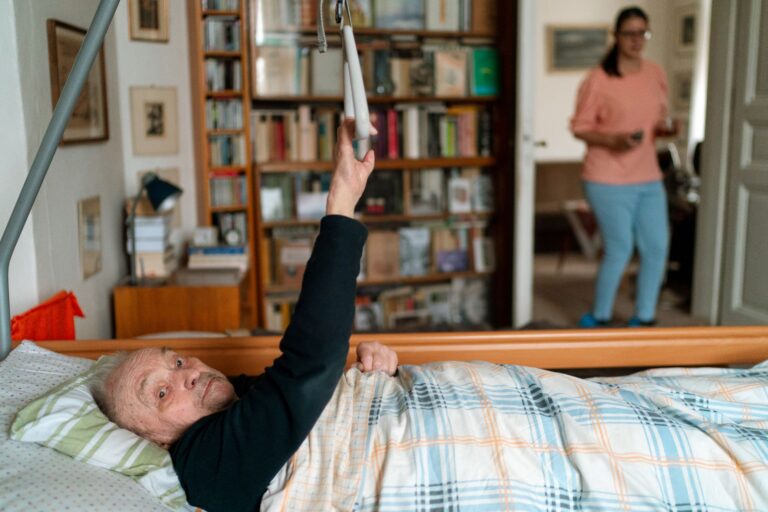
Common mistakes are leaving the person alone overnight, using locks without alarms, skipping ID, and missing sleep and lighting triggers. Nighttime wandering means unsafe walking, pacing, or leaving home during evening confusion or night waking in early-stage dementia.
Early planning matters. About 6 in 10 people living with dementia will wander at least once, according to the Alzheimer's Association in its wandering guidance. Wandering can happen at any stage, so act before night problems start.
Medical information disclaimer: This article is for general educational purposes only and does not provide medical advice, diagnosis, or treatment. Always consult a physician or other qualified health professional about symptoms, medications, tests, or treatment decisions.
Table of Contents
- Why wait to plan until after the first exit?
- Do locks alone keep the person inside?
- How do daytime habits drive nighttime restlessness?
- How does lighting shape confusion and falls?
- What helps when sundowning sparks the urge to go?
Why wait to plan until after the first exit?
MedlinePlus warns that leaving a person with advancing dementia alone at home or overnight is unsafe. Repeated waking, pacing, bathroom needs, and morning-evening confusion require supervision.
A common early-stage mistake is treating a calm evening as proof the night will stay calm. Set an overnight presence or awake check plan before pacing starts. Note bathroom times, wake times, and exit attempts for a week.
Do locks alone keep the person inside?
Locks alone fail when the person learns them or slips out quietly. Doorknob covers without an alarm leave no warning if the door opens. The National Institute on Aging advises pairing keyed or high-low locks with chimes and alarms that sound on opening, in its safety guidance.
Build layers so one failure does not mean an unwitnessed exit. Test each alarm weekly. Missing ID worsens outcomes after an exit. The National Institute on Aging advises carrying ID or wearing a medical bracelet and considering MedicAlert plus Safe and Found enrollment.
- Use keyed or high and low locks.
- Add door chimes and window alarms that sound on opening.
- Keep ID and enrollment details ready by the door.
How do daytime habits drive nighttime restlessness?
Long daytime naps, little daylight, evening caffeine, and late-day exhaustion can increase evening restlessness. The National Institute on Aging advises daily exercise, short early naps, and steady nighttime rest to reduce sleep problems, in its sleep tips.
For example, a two-hour late nap plus evening coffee often leads to midnight pacing. Offer a morning walk, bright daylight time, and an early brief rest instead.
How does lighting shape confusion and falls?
Dark halls, glare, shadows, and missing bathroom cues raise confusion and fall risk at night. National Institute on Aging guidance directs low evening light, nightlights in bedroom, hall, and bathroom, and closed curtains at dusk.
Keep the path to the toilet short, clear, and lit. Leave a low lamp on and close curtains at dusk to cut shadows. Mark the bathroom door with a soft nightlight.
What helps when sundowning sparks the urge to go?
Arguing, correcting, or restraining during sundowning agitation can push the person toward exit. Loud correction often raises fear and motion instead of stopping it. AARP reporting on UC Davis Dr. Helen Kales describes the DICE approach in its dementia caregiver report.
Describe the behavior, check hunger, pain, toileting, or boredom, then make a calm plan. Offer a toilet trip, snack, warm drink, or quiet activity in low light. MedlinePlus and National Institute on Aging guidance reflects observation and expert consensus, not large trials. No lock, light, nap, or redirection method can guarantee prevention. Keep layered home safety plus a written search plan.