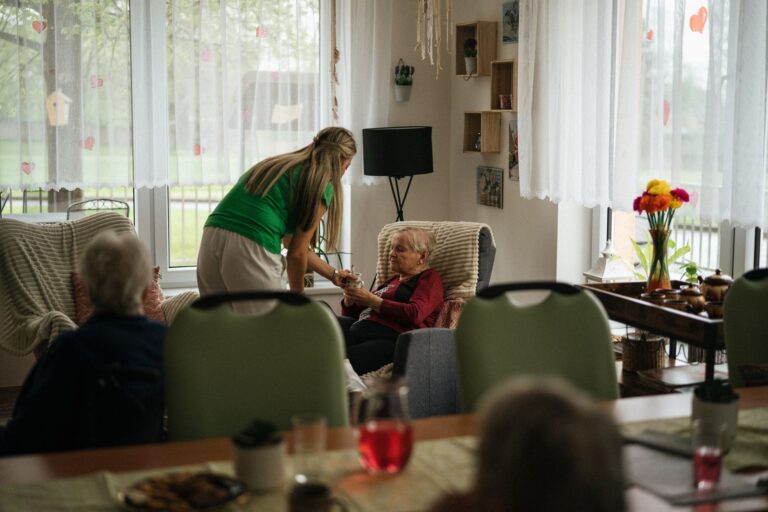
The most common caregiver mistakes around chewing problems in dementia care are missing swallowing difficulty, serving unsafe food textures, and allowing rushed mealtimes. Dysphagia, meaning difficulty with chewing and swallowing, becomes more common as dementia progresses and calls for quick practical changes. A person may chew continuously, hold food in the mouth, cough during meals, or leave hard foods uneaten. According to the Alzheimer's Society UK, these behaviors can signal dysphagia rather than stubbornness or lost appetite Alzheimer's Society eating and drinking guidance.
Medical information disclaimer: This article is for general educational purposes only and does not provide medical advice, diagnosis, or treatment. Always consult a physician or other qualified health professional about symptoms, medications, tests, or treatment decisions.
Table of Contents
- Mistaking chewing trouble for behavior
- Allowing unsafe posture and timing
- Rushing meals in a noisy room
- Guessing at soft foods and thickened drinks
- Overlooking mouth pain and teeth
Mistaking chewing trouble for behavior
Many caregivers urge the person to hurry or swallow when food sits in the mouth. That pressure can increase fear, refusal, and choking risk. Continuous chewing or pocketing food in the cheek often means the swallow did not happen.
Weight loss, dehydration, and repeated chest infections are warning signs. According to the Alzheimer's Society UK, unexplained weight loss or repeated chest infections should prompt assessment Alzheimer's Society eating and drinking guidance. Track meals, coughing episodes, uneaten foods, and weight changes to share with the GP.
Allowing unsafe posture and timing
Eating while slouched, lying down, or drowsy makes safe swallowing harder. Another mistake is letting the person lie back right after a meal. Small posture changes reduce risk without special equipment.
Sit the person as upright as possible with the head tilted slightly forward. Follow the Whittington Health NHS Trust advice to stay upright for at least 30 minutes afterward and avoid eating while drowsy or lying down Whittington Health swallowing advice. Keep the chair stable, feet supported, and table close.
Rushing meals in a noisy room
Talking, television, and busy kitchens split attention during swallowing. Talking while the person eats or drinks is a common error. Large bites and quick sips add risk.
Reduce distractions, pause conversation during bites, offer small bites, and allow extra time. The Alzheimer's Association advises caregivers to check the mouth after eating because food may remain pocketed in the cheek. Use these checks at each meal:.
- Pause the television and face the person calmly.
- Offer one small bite at a time and wait for the swallow.
- Look and gently check for food left in the cheeks.
Guessing at soft foods and thickened drinks
Caregivers often mash everything or thicken drinks without guidance. Too thin can enter the airway, while too thick can cause refusal or residue. The correct texture is individual and can change over time.
Ask a GP for referral to a speech and language therapist when problems occur regularly or worsen. The Royal College of Speech and Language Therapists describes this referral as the route to diagnosis and advice on food consistency and swallowing safety. Do not choose a thickness level alone because texture-modified foods and thickened liquids follow the 8-level IDDSI framework from Level 0 Thin to Level 7 Regular.
Overlooking mouth pain and teeth
Sore gums, gum disease, and ill-fitting dentures can make chewing painful. Caregivers may change the menu before checking the mouth. Refusal then continues because the cause remains.
Clean teeth or dentures daily and watch for red gums, sores, bad odor, or loose dentures. Arrange regular dentist review as part of chewing care, following Alzheimer's Society UK and NHS dementia guidance. About one-half of people with dysphagia aspirate food or liquid into the airway, which can lead to aspiration pneumonia, a serious and sometimes fatal complication reported by Today's Geriatric Medicine.