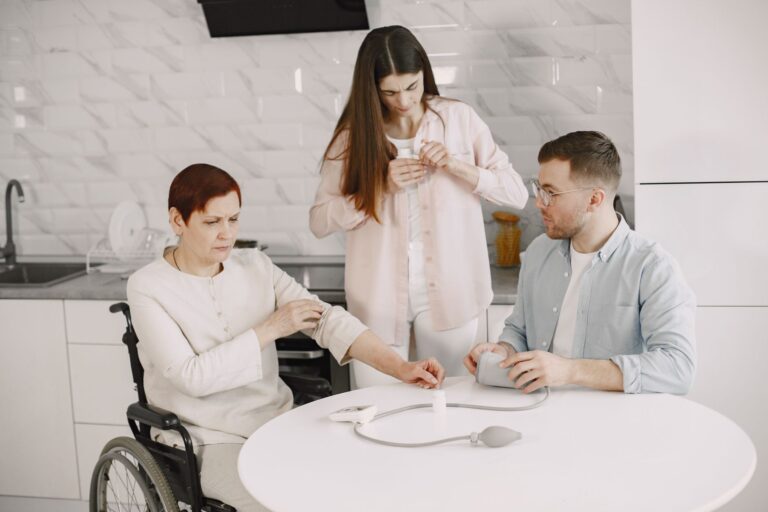
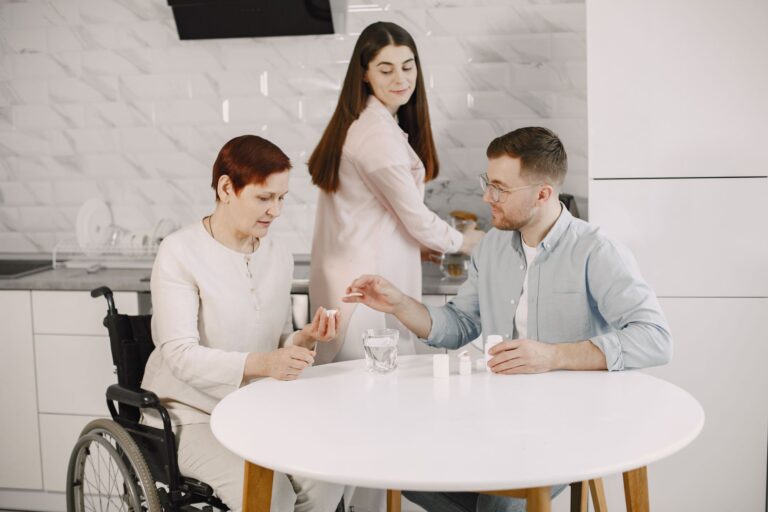
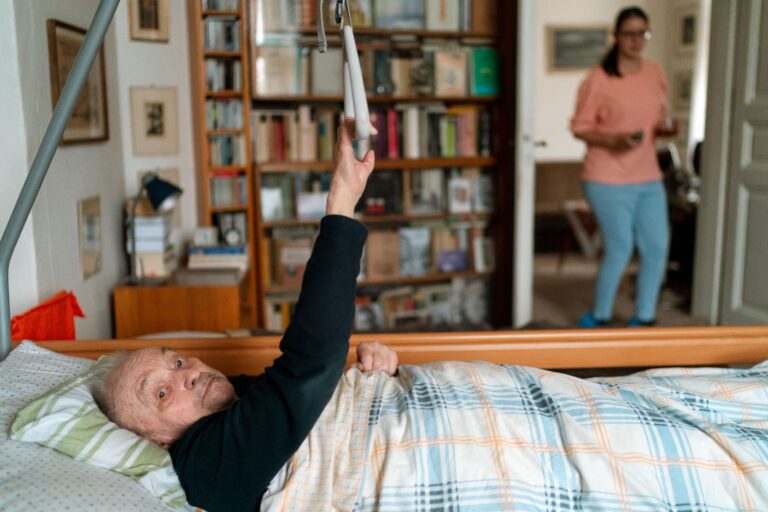
Common caregiver mistakes around agitation in dementia care include assuming it is inevitable, arguing or rushing, overlooking triggers, and reaching for medication too quickly. Agitation—distress that may appear as restlessness, repetition, or aggression—often signals fear, confusion, frustration, discomfort, or overload rather than deliberate misbehavior. The most useful response is to pause, protect the person's dignity, and look for what changed. A calmer approach can reveal whether the problem is illness, communication, the environment, or a task that has become too difficult.
Medical information disclaimer: This article is for general educational purposes only and does not provide medical advice, diagnosis, or treatment. Always consult a physician or other qualified health professional about symptoms, medications, tests, or treatment decisions.
Table of Contents
- Check for reversible causes first
- Stop arguing, crowding, and rushing
- Change the setting or the task
- Track patterns instead of relying on memory
- Do not make medication the automatic answer
Check for reversible causes first
Treating agitation as "just dementia" can delay help for pain, constipation, infection, medication effects, depression, or sleep loss. A sudden change from the person's usual behavior deserves clinical assessment, according to the National Institute on Aging. note what changed and when.
Useful observations include new physical symptoms, disrupted sleep, recent medication changes, reduced bowel movements, and whether the behavior began abruptly or gradually. The caregiver's job is not to diagnose the cause. It is to give the clinician specific information instead of a vague report that the person has "gotten worse.".
Stop arguing, crowding, and rushing
dementia can reduce comprehension and slow a person's response. Repeating a demand more loudly, correcting the person, or trying to win an argument usually adds pressure without improving understanding. Crowding, confrontation, criticism, restraint, and hurried care can intensify agitation.
The Alzheimer's Association recommends calm reassurance, backing off, and offering simple choices. Try a lower-pressure response: The goal is not immediate compliance. It is to reduce distress enough for the person to process what is happening.
- Use one short sentence at a time.
- Wait before repeating the request.
- Offer two acceptable choices, such as washing now or after breakfast.
- Step back if the person appears frightened or cornered.
- Pause a difficult task and redirect attention to something manageable.
Change the setting or the task
Noise, glare, television, clutter, and several people talking can overwhelm someone who can no longer filter competing information. Moving to a quieter space or removing one source of stimulation is a practical first test. The task itself may also be the trigger.
Pressure to bathe, remember a person or event, or finish an activity that has become confusing can provoke distress. Slow down, divide the task into smaller parts, or return to it later. Consider what the behavior may be communicating: Change one or two conditions at a time when possible. That makes it easier to see whether less noise, more time, or a simpler request helped.
- Pacing may accompany discomfort, fear, or uncertainty.
- Repeated questions may reflect confusion rather than defiance.
- Resistance during personal care may mean the task feels rushed, unfamiliar, or frightening.
- Agitation late in the day may point to fatigue or disrupted sleep.
Track patterns instead of relying on memory
Without written notes, repeated episodes can seem random. A diary kept for one to two weeks can reveal links with late-day fatigue, unwanted care tasks, poor sleep, noise, or particular settings.
For each episode, record: Use concrete descriptions such as "paced for 15 minutes after the television was turned on." Labels such as "difficult all evening" provide less useful evidence. Patterns are clues, not proof. Bring the diary to a clinical assessment so changes in health, medication, routine, and surroundings can be considered together.
- The time and place.
- What happened immediately beforehand.
- The request or activity underway.
- Sleep and physical symptoms.
- Who was present and how they responded.
Do not make medication the automatic answer
Medication may have a role, but it should not replace assessment of pain, illness, communication, routines, and the environment. NICE guideline NG97 recommends structured assessment and psychosocial or environmental approaches first. NICE reserves antipsychotics for situations involving risk of harm or severe distress. When used, the recommendation is the lowest effective dose for the shortest possible time.
In the United States, brexpiprazole is approved specifically for agitation associated with dementia due to Alzheimer's disease. The FDA approval notice also notes the antipsychotic class warning of increased death risk in older patients with dementia-related psychosis. That approval does not cover every dementia type or every cause of agitation. Before a medication decision, identify the diagnosis, target behavior, level of distress or harm risk, and planned dose and duration.