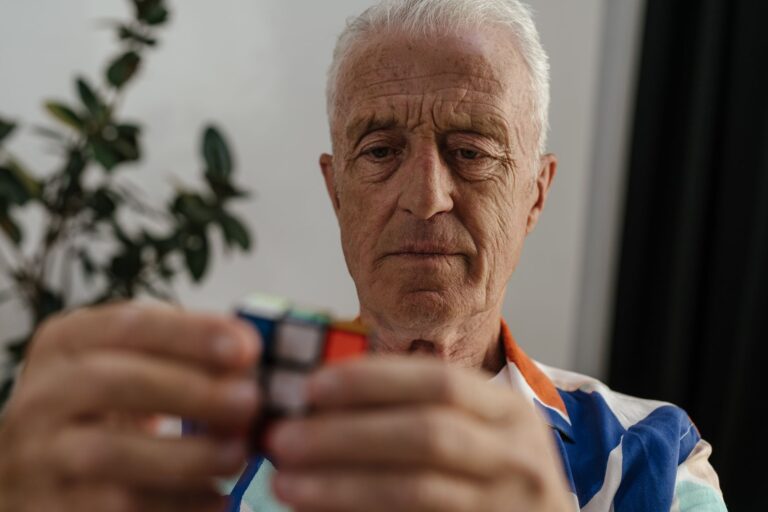
The 2026 WHO dementia guideline says structured cognitive training may be offered to older adults with mild cognitive impairment to reduce risk of decline. Mild cognitive impairment means noticeable memory or thinking changes with daily independence largely intact, and the support behind training is limited. WHO published the second edition of Risk reduction of cognitive decline and dementia on 15 July 2026, updating the 2019 edition for clinicians and public-health programs, according to the WHO publication page. Cognitive training here means planned practice in memory, attention, or problem-solving, not casual puzzles or general mental activity.
Medical information disclaimer: This article is for general educational purposes only and does not provide medical advice, diagnosis, or treatment. Always consult a physician or other qualified health professional about symptoms, medications, tests, or treatment decisions.
Official resources:
- Read the official guidance from Who — Use this primary source to verify the official guidance.
- Read the official guidance from Who — Use this primary source to verify the official guidance.
Table of Contents
- What WHO recommends for mild cognitive impairment
- How much does training help test scores
- What the evidence does not promise
- How to use brain exercise sensibly
What WHO recommends for mild cognitive impairment
WHO says cognitive training may be offered to older adults with normal cognition or mild cognitive impairment to reduce risk of decline or dementia, according to the WHO news release. The advice is conditional, so clinicians should offer it selectively. They should weigh likely benefits, time burden, cost, and patient preference.
The GMJ News summary describes the same advice as a conditional recommendation with low-certainty evidence. That rating signals caution, not rejection. It means many people may reasonably choose differently after discussion.
How much does training help test scores
Across trials reviewed for the guideline, structured training improved cognitive test scores by a small average amount, about Hedges g 0.25, according to the Yassine Lab analysis. A gain of that size may show up on a memory or attention test. It may not be noticeable in daily life.
The result is an average, so some people improve more and others improve little or not at all. Short-term test change is the main measured outcome. It is not proof that dementia itself is prevented.
What the evidence does not promise
Training does not guarantee prevention, delay, or reversal of dementia for people with mild cognitive impairment. The trial evidence supports better scores after practice, not a proven lower dementia rate. Families should treat marketing claims of guaranteed protection with skepticism.
WHO places training inside broader prevention. The organization estimates up to 45% of dementia risk could be prevented or delayed by addressing modifiable risks across life, according to UN News reporting the guideline. Training is only one part of that larger picture.
How to use brain exercise sensibly
Use training as structured practice alongside health measures that affect the brain. A practical approach combines brief scheduled sessions with physical activity, blood-pressure and diabetes care, hearing support, sleep care, and social contact. AARP reporting on the guideline presents the same practical point for people with mild cognitive impairment.
Ask a clinician whether a program fits memory needs, vision, hearing, mood, and schedule. Readers may find this checklist useful: WHO separately advises that cognitive stimulation activities and social engagement may be encouraged for the same group, as a conditional recommendation with very-low-certainty evidence, according to the HealthGrades summary. Examples include group discussion, music, crafts, outings, volunteering, and regular contact with friends and family.
- Choose structured memory, attention, or problem-solving practice with clear sessions and goals.
- Add exercise, vascular care, hearing checks, and regular social activity.
- Stop programs that promise guaranteed prevention, demand large upfront payments, or replace medical care.
- Review progress after several weeks and keep only what is tolerable and helpful.
You Might Also Like
- Social Connection in the 2026 WHO Dementia Guideline: What the Evidence Supports and Does Not Promise for People With Mild Cognitive Impairment
- High Cholesterol in the 2026 WHO Dementia Guideline: What the Evidence Supports and Does Not Promise for People With Mild Cognitive Impairment
- Hearing Aids in the 2026 WHO Dementia Guideline: What the Evidence Supports and Does Not Promise for People With Mild Cognitive Impairment