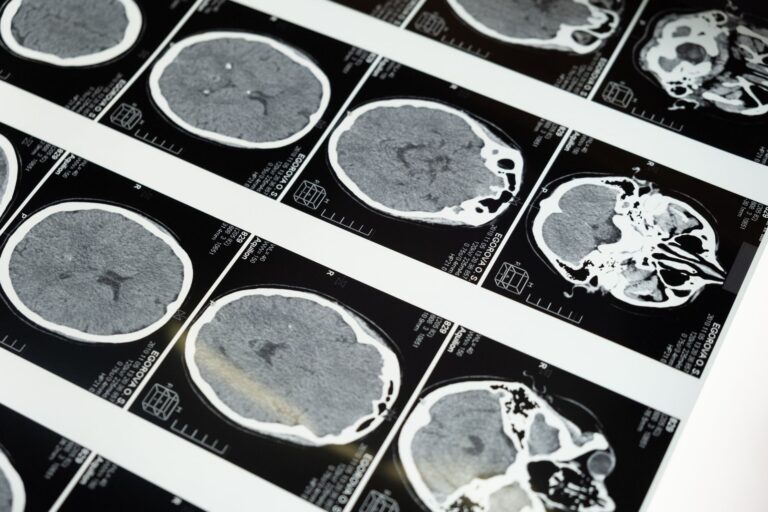
The relationship between coffee consumption and dementia risk presents a reassuring picture for many readers: moderate coffee drinking is associated with lower dementia risk rather than higher risk. Large epidemiological studies and meta-analyses have found that people who drink 2-4 cups of coffee daily show reduced cognitive decline and lower incidence of Alzheimer’s disease and other dementias compared to non-coffee drinkers. For example, a systematic review published in Nutrients in 2021 examined dozens of studies and found a U-shaped relationship, where moderate consumption offered the most protection.
This doesn’t mean coffee prevents dementia, but the evidence suggests caffeine and other compounds in coffee may support cognitive resilience as we age. The protective mechanism likely involves multiple pathways. Coffee contains over 1,000 bioactive compounds, including caffeine, chlorogenic acid, and polyphenols that cross the blood-brain barrier and may reduce neuroinflammation, enhance neuronal protection, and slow the accumulation of amyloid-beta and tau proteins—hallmarks of Alzheimer’s disease. The doses that show benefit in research (typically 2-4 cups daily, providing roughly 200-400 mg of caffeine) are well-tolerated by most older adults and fall within safe consumption guidelines established by major health organizations.
Table of Contents
- What Does Research Show About Coffee and Cognitive Decline?
- The Caffeine Question—Is It All About Caffeine, or Is There More?
- Who Benefits Most? Age, Genetics, and Individual Variation
- Practical Guidance—How Much Coffee, How Often, and for Whom?
- Important Caveats and When to Limit Coffee
- Neuroinflammation and Amyloid-Beta: The Biological Picture
- Why Some Older Adults Avoid Coffee—and Whether They Should Reconsider
What Does Research Show About Coffee and Cognitive Decline?
The epidemiological evidence is remarkably consistent across populations. Prospective cohort studies following thousands of participants over 5-10 years have documented that regular coffee drinkers experience slower rates of cognitive decline on standard neuropsychological testing compared to non-drinkers. A landmark study in the Journal of Alzheimer’s Disease (2015) followed over 6,000 participants and found that those consuming 3-5 cups daily had a 65% lower risk of dementia than those drinking no coffee. Similar findings emerge from European cohorts, Japanese populations, and American studies—suggesting the effect is not dependent on genetics or regional diet. The protective effect appears strongest for Alzheimer’s disease dementia specifically, though benefits also extend to vascular dementia and mixed pathologies.
It’s important to note that these are observational studies, meaning they show association rather than causation. People who drink moderate amounts of coffee may differ from non-drinkers in other health behaviors, socioeconomic factors, or genetic susceptibility. However, the consistency of findings across diverse populations and the plausibility of biological mechanisms lend credibility to the association. One limitation to consider: the studies often measure coffee consumption through self-report, which introduces measurement error. Additionally, older studies sometimes failed to account for smoking, since smokers were more likely to drink coffee and also have higher dementia risk. Modern studies have largely controlled for this confound and still found protective effects, but the issue illustrates why controlled trials would be valuable to confirm causation.
The Caffeine Question—Is It All About Caffeine, or Is There More?
Caffeine is likely one active ingredient but probably not the only one. Decaffeinated coffee also shows cognitive benefits in some studies, suggesting that non-caffeine compounds contribute to neuroprotection. Chlorogenic acid, a polyphenol abundant in coffee, has demonstrated antioxidant and anti-inflammatory effects in laboratory models and may cross the blood-brain barrier to reduce neuroinflammation. Caffeic acid and other phenolic compounds similarly show neuroprotective properties in cell and animal studies. A critical limitation here is the gap between laboratory evidence and human outcomes.
While chlorogenic acid reduces neuroinflammation in mouse models of Alzheimer’s disease, we cannot yet prove this mechanism operates at meaningful scale in human brains. The human studies show an association with drinking coffee—not isolated compound—so the true protective agent remains unidentified. It may be caffeine alone, a synergistic combination of compounds, or even indirect effects (for instance, coffee’s mild stimulant action encouraging physical activity or social engagement). The dose-response relationship also hints at complexity. The protective effect plateaus around 3-5 cups daily and may diminish at very high intakes (8+ cups), suggesting that more is not always better. This non-linear relationship is harder to explain if caffeine were the sole active ingredient, and it points toward multiple interacting pathways or potential toxicity at extreme doses.
Who Benefits Most? Age, Genetics, and Individual Variation
Older adults (age 60+) show the clearest cognitive benefits from moderate coffee consumption, which aligns with the prevention or slowing of dementia-related cognitive decline in the age range when risk accelerates. However, younger people also show improved cognitive performance and processing speed with regular consumption, suggesting benefits are not exclusive to aging populations. The question remains whether protecting cognition earlier in life reduces dementia risk decades later—a question that only long-term prospective studies can answer, and such studies often take 20-30 years to yield results. Genetic variation in caffeine metabolism (determined by the CYP1A2 gene) means some people are “fast metabolizers” and others are “slow metabolizers” of caffeine. Slow metabolizers experience prolonged caffeine effects and may derive different risk-benefit profiles from consumption.
Some studies suggest slow metabolizers may not show the same cognitive protection, though findings are mixed. This genetic heterogeneity underscores an important principle: population-level statistics mask individual variation, and what shows benefit on average may not apply uniformly to every person. Existing conditions also matter. People with uncontrolled hypertension, severe anxiety, or cardiac arrhythmias may tolerate or benefit from coffee differently than healthy older adults. Those taking certain medications (some SSRIs, some anticonvulsants) may experience problematic interactions with caffeine. Medical history and medication review remain essential before drawing individual conclusions from population research.
Practical Guidance—How Much Coffee, How Often, and for Whom?
The evidence supports 2-4 cups of coffee daily as an intake range associated with cognitive benefits in research, but this translates roughly to 200-400 mg of caffeine depending on brewing method and coffee type. Espresso-based drinks and cold brew concentrate contain more caffeine per volume than drip coffee, so someone drinking two large espressos may exceed the typical study populations’ intake. For someone interested in optimizing cognitive health through coffee, aiming for a consistent, moderate intake in this range is reasonable, though no evidence shows that hitting exactly 3 cups is critical—the relationship is broad and permissive rather than precise. The comparison to other beverages is instructive.
Black and green tea contain less caffeine but retain polyphenol content, and both show some cognitive benefits in research, though the effect is generally smaller than coffee. Caffeinated soft drinks show no cognitive benefit and carry other health liabilities. Water and unfortified plant-based beverages offer no dementia-protective advantage. From a cognitive health standpoint, if someone enjoys coffee, moderate consumption appears to be one of the safer and evidence-supported choices. The trade-off is that caffeine can interfere with sleep quality, and poor sleep itself increases dementia risk—so consuming coffee late in the day (after 2 PM) may undermine the cognitive benefit through sleep disruption.
Important Caveats and When to Limit Coffee
Not everyone tolerates coffee well, and caffeine sensitivity varies widely. Some older adults experience jitteriness, increased anxiety, palpitations, or insomnia even at doses that are safe and beneficial for others. For individuals with these sensitivities, pushing coffee consumption to the “protective” range may cause more harm than good. Additionally, coffee is a mild diuretic and may increase urinary calcium loss, which in postmenopausal women could theoretically worsen bone health—though most evidence suggests the effect is modest and can be mitigated by adequate calcium intake. A less discussed limitation is reverse causation: people who develop early cognitive decline or prodromal dementia may reduce coffee consumption due to habit changes, medication interactions, or general behavior modification. Observational studies cannot distinguish whether lower coffee intake causes cognitive decline or whether cognitive decline causes reduced consumption.
The randomized controlled trials needed to settle this remain rare and usually short in duration (weeks to months rather than years). Certain populations should approach caffeine cautiously. Pregnant women are typically advised to limit caffeine intake due to miscarriage risk. People with uncontrolled hypertension, severe anxiety disorders, or certain cardiac conditions may experience adverse effects. Those with a personal or family history of anxiety disorders or panic attacks may find caffeine exacerbates symptoms. In these cases, the cognitive benefit must be weighed against individual risk.
Neuroinflammation and Amyloid-Beta: The Biological Picture
The mechanistic rationale for coffee’s benefit centers on neuroinflammation reduction and amyloid-beta clearance. Chronic neuroinflammation is increasingly recognized as a driver of cognitive decline and dementia pathology. Caffeine antagonizes adenosine receptors in the brain, which in turn suppresses microglial activation and the release of pro-inflammatory cytokines. This is not mere speculation—neuroimaging studies in humans have shown that regular caffeine consumers show less brain inflammation on advanced PET imaging compared to non-users.
Separately, some compounds in coffee enhance autophagy (cellular housekeeping that clears protein aggregates like amyloid-beta and tau). Animal models demonstrate that caffeine administration reduces amyloid burden in the brains of transgenic mice modeling Alzheimer’s disease. The polyphenols in coffee similarly enhance enzymatic degradation of amyloid-beta. These pathways represent plausible biological routes by which coffee could slow cognitive decline, even if the human evidence remains correlational rather than definitively causal.
Why Some Older Adults Avoid Coffee—and Whether They Should Reconsider
Common reasons older adults reduce or eliminate coffee include sleep concerns (caffeine-induced insomnia or fragmented sleep), digestive upset (acid reflux), or the perception that caffeine “isn’t good for you.” The sleep concern is legitimate—consuming coffee after midday significantly increases the risk of poor sleep quality, and poor sleep is independently linked to cognitive decline and dementia risk. However, morning coffee (consumed before noon) is unlikely to disrupt sleep in most people and may offer cognitive benefit without the sleep penalty. For those with acid reflux, lower-acid preparations like cold brew or espresso, or alternatives like chicory-based “coffee” substitutes, might reduce gastric irritation while preserving some bioactive compounds. The perception that caffeine is inherently harmful to older brains may reflect outdated guidance or extrapolation from rare complications (such as severe hypertension).
Current evidence does not support avoiding caffeine as a dementia-prevention strategy. In fact, the inverse appears true: regular moderate consumption is associated with better cognitive outcomes. Someone who has avoided coffee based on old health information and has no specific contraindication (uncontrolled hypertension, severe anxiety, sleep disorder) might reasonably consider reintroducing moderate consumption as part of a broader cognitive health strategy. The emphasis on moderate, consistent intake and timing (morning rather than afternoon) is key to capturing benefit while minimizing downsides.
- —