Two to three cups of caffeinated coffee per day is the amount most strongly linked to a lower risk of dementia, according to a major study published in JAMA in February 2026. Researchers at Mass General Brigham and Harvard analyzed more than 130,000 participants over a period of up to 43 years and found that those with the highest caffeinated coffee intake had an 18% lower risk of dementia compared to people who drank little or no caffeinated coffee. If you have been wondering whether your morning habit is doing anything for your brain, the short answer is that a moderate daily coffee routine appears to offer real, measurable protection. This finding does not stand alone.
A 2023 systematic review and meta-analysis found that drinking more than two cups per day was associated with a 30% reduced risk of Alzheimer’s disease. And an earlier landmark study, the CAIDE study, found that three to five cups of coffee at midlife was tied to a roughly 65% decreased risk of dementia and Alzheimer’s in late life. The evidence across multiple large studies points in the same direction: moderate, consistent coffee drinking correlates with meaningful cognitive protection over decades. This article breaks down what the latest research actually says about coffee and dementia prevention, why caffeine appears to be the critical ingredient, what the research tells us about tea, where the limits of these findings are, and what to do if you are trying to reduce your risk or support a family member’s brain health.
Table of Contents
- How Many Cups of Coffee Per Day May Help Prevent Dementia?
- Why Caffeine Appears to Be the Key Neuroprotective Compound
- What Earlier Research Already Told Us About Coffee and Alzheimer’s Risk
- How to Apply This Research to Your Daily Routine
- The Limitations You Need to Understand Before Drawing Conclusions
- What This Means for Caregivers and Families Managing Dementia Risk
- Where Coffee and Dementia Research Goes From Here
- Conclusion
- Frequently Asked Questions
How Many Cups of Coffee Per Day May Help Prevent Dementia?
The February 2026 JAMA study gives us the clearest picture yet. Researchers found that two to three cups of caffeinated coffee per day was the range associated with the greatest reduction in dementia risk. Importantly, consuming more than two to three cups did not lower risk any further. There was no additional benefit from drinking four, five, or six cups daily. This is a crucial detail, because many people assume that if some coffee is good, more must be better. The data does not support that assumption.
To put it in practical terms, consider someone who drinks a single large mug of drip coffee each morning. That is roughly equivalent to two standard cups, which falls within the protective range identified by the study. Someone who drinks a pot of coffee throughout the day is not gaining extra protection and may, according to an earlier meta-analysis, actually face increased risk at very high intake levels above four cups per day. The study used dietary records, questionnaires, and medical reports collected over decades. With more than 130,000 participants and a follow-up period stretching up to 43 years, this is one of the most comprehensive looks at the coffee-dementia relationship ever conducted. The benefits were observed in both male and female participants, which strengthens the generalizability of the findings.

Why Caffeine Appears to Be the Key Neuroprotective Compound
One of the most important findings from the 2026 JAMA study is that decaffeinated coffee showed no link to reduced dementia risk. This points to caffeine as the active compound responsible for the protective effect, not other components of coffee on their own. Coffee and tea both contain polyphenols and caffeine, which researchers believe reduce inflammation and cellular damage while protecting against cognitive decline. But without caffeine in the mix, the dementia risk reduction disappeared. This matters for anyone who has switched to decaf for health reasons. If your primary motivation for drinking coffee is cognitive protection, decaf does not appear to deliver that benefit based on current evidence.
However, if you have a medical condition that requires limiting caffeine, such as certain heart arrhythmias, anxiety disorders, or pregnancy, you should not start drinking caffeinated coffee solely based on these findings. The study is observational, and the risks of caffeine for certain individuals may outweigh the potential cognitive benefits. It is also worth noting that tea showed protective effects as well. The same body of research found that one to two cups of tea per day was associated with similar cognitive benefits. Tea contains lower amounts of caffeine per cup than coffee, along with its own set of polyphenols, particularly L-theanine and catechins. For people who do not enjoy coffee or who tolerate tea better, this is a meaningful alternative.
What Earlier Research Already Told Us About Coffee and Alzheimer’s Risk
The February 2026 study did not emerge from nowhere. It builds on a body of evidence that has been accumulating for over a decade. The CAIDE study, one of the most frequently cited pieces of research in this area, tracked participants from midlife into late life and found that three to five cups of coffee per day at midlife was associated with approximately a 65% decreased risk of dementia and Alzheimer’s disease. That is a striking number, and it helped spark much of the subsequent research into coffee’s neuroprotective potential. A 2023 systematic review and meta-analysis published in PubMed Central further refined the picture.
That review found that one to two cups per day reduced Alzheimer’s risk by 27%, while more than two cups per day reduced risk by 30%. The dose-response relationship was relatively flat beyond two cups, which aligns with the 2026 JAMA study’s finding that two to three cups is the sweet spot. What makes the 2026 study particularly valuable is its scale and duration. With 130,000 participants and up to 43 years of follow-up, it addresses some of the limitations of earlier, smaller studies. It also confirms that the association holds across sexes, which was not always clear in prior research. For families watching a parent or grandparent develop cognitive decline, this kind of long-term data is far more meaningful than a short-term trial measuring temporary alertness.

How to Apply This Research to Your Daily Routine
If you already drink two to three cups of caffeinated coffee per day, the research suggests you are in the range most associated with reduced dementia risk. There is no need to change your habit. If you drink less, gradually increasing to two cups is reasonable, assuming you tolerate caffeine well. If you drink significantly more than three cups, the data suggests you are not gaining additional cognitive protection, and one earlier meta-analysis raised concerns that heavy consumption above four cups per day might actually increase risk. The tradeoff between coffee and tea is worth considering. Coffee delivers more caffeine per cup, roughly 95 milligrams in a standard eight-ounce cup compared to about 47 milligrams in black tea.
The 2026 study found that one to two cups of tea per day showed similar cognitive benefits to two to three cups of coffee. For someone sensitive to caffeine’s effects on sleep or anxiety, tea may offer a better balance: enough caffeine to potentially support neuroprotection without the jitteriness or sleep disruption that higher-caffeine coffee can cause. Timing also matters in a practical sense. Caffeine has a half-life of roughly five to six hours, so a cup of coffee at 3 p.m. can still affect sleep at 9 p.m. Since sleep quality itself is a significant factor in dementia risk, drinking your coffee earlier in the day is a straightforward way to capture the potential benefit without undermining another pillar of brain health. A person who drinks two cups before noon and then switches to water or herbal tea is making a reasonable, evidence-informed choice.
The Limitations You Need to Understand Before Drawing Conclusions
Every study discussed in this article, including the 2026 JAMA study, is observational. That means researchers tracked what people already did and looked for patterns. They did not randomly assign people to drink coffee or abstain and then compare outcomes. This is an essential distinction because observational studies can show association but cannot prove causation. It is possible that people who drink moderate amounts of coffee share other habits, such as being more socially active, exercising more, or having higher education levels, that also reduce dementia risk. The researchers controlled for many confounding variables, but it is impossible to eliminate all of them in an observational design.
A randomized controlled trial would be the gold standard for proving that coffee directly prevents dementia, but such a trial would need to run for decades and involve tens of thousands of people, making it extraordinarily difficult and expensive to conduct. There is also the question of individual variation. Caffeine metabolism differs significantly between people based on genetics. Some people are fast metabolizers who clear caffeine quickly, while slow metabolizers experience its effects for much longer. The studies discussed here did not typically account for these genetic differences. Someone who metabolizes caffeine slowly might experience different effects, positive or negative, from the same number of cups. If you are someone who feels wired for hours after a single cup, your experience of coffee is fundamentally different from that of someone who can drink espresso after dinner and sleep soundly.
What This Means for Caregivers and Families Managing Dementia Risk
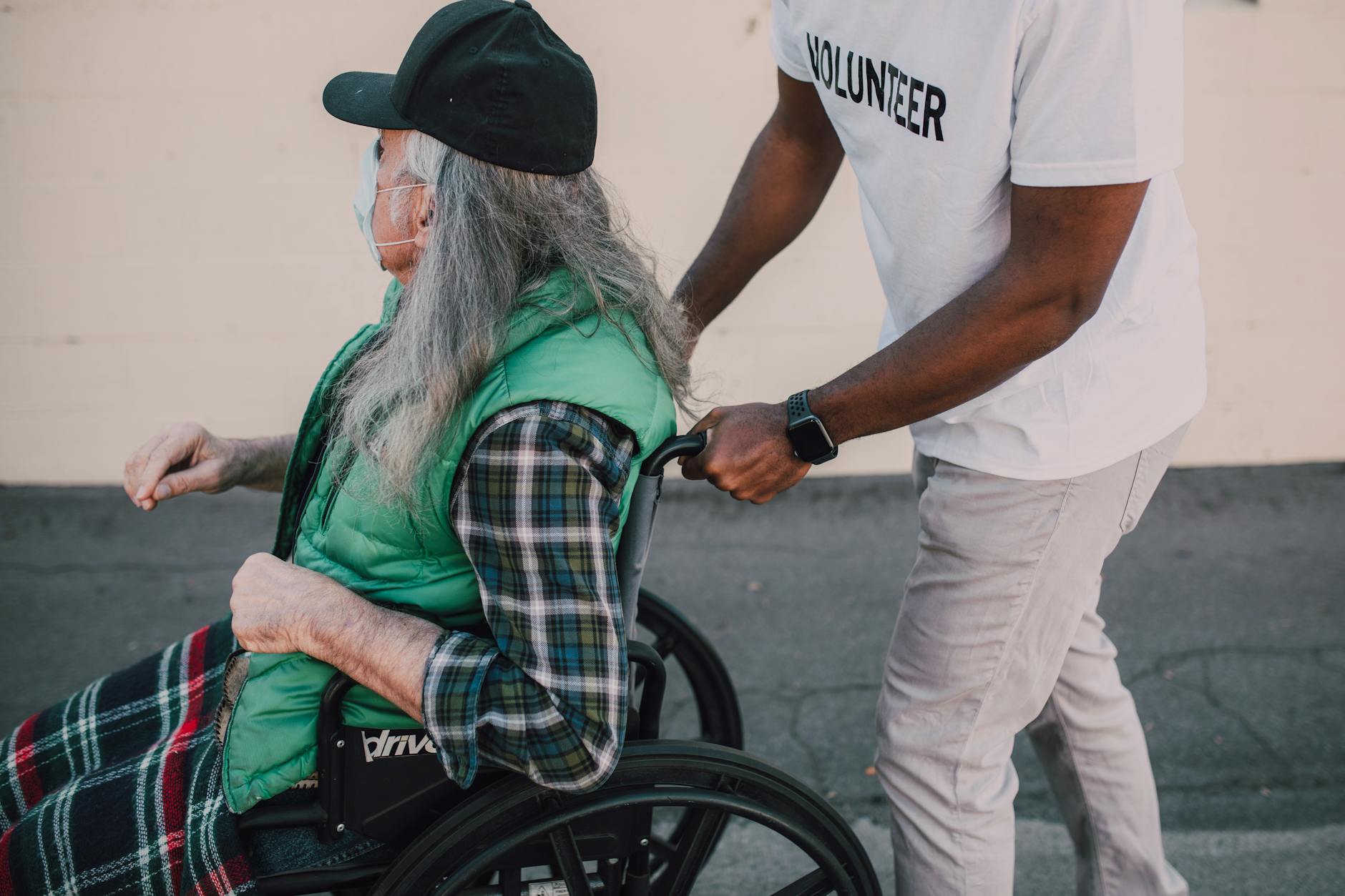
For families already dealing with a dementia diagnosis or watching a loved one show early signs of cognitive decline, these findings raise a natural question: should we encourage more coffee? The honest answer is that the strongest evidence applies to long-term consumption during midlife, not to starting coffee late in life after symptoms have appeared. The CAIDE study specifically measured midlife coffee intake and its relationship to late-life outcomes. There is currently less evidence that beginning a coffee habit at age 75 will reverse or significantly slow existing cognitive decline.
That said, if an older adult already enjoys coffee and tolerates it well, there is no reason to discourage the habit. For caregivers themselves, many of whom face chronic sleep deprivation and stress, a moderate coffee habit may support their own cognitive health over time. The most practical takeaway for families is that coffee consumption is one piece of a larger puzzle that includes physical activity, social engagement, sleep quality, and management of cardiovascular risk factors like hypertension and diabetes.
Where Coffee and Dementia Research Goes From Here
The February 2026 JAMA study is unlikely to be the final word. Researchers are increasingly interested in understanding exactly how caffeine interacts with the brain’s waste-clearance systems, particularly the glymphatic system that removes amyloid-beta plaques during sleep. Future studies will likely explore whether the timing of coffee consumption, the specific type of coffee, and individual genetic profiles alter the protective effect.
There is also growing interest in whether caffeine’s benefits can be isolated and delivered in more targeted ways, potentially through pharmaceutical compounds that mimic caffeine’s neuroprotective effects without the stimulant side effects. For now, the most accessible and well-supported recommendation remains straightforward: two to three cups of caffeinated coffee per day, consumed consistently over years, is associated with a meaningfully lower risk of dementia. It is not a guarantee, and it is not a substitute for other healthy habits, but it is one of the more pleasant pieces of health advice to come out of large-scale research.
Conclusion
The evidence linking moderate coffee consumption to reduced dementia risk is now substantial and consistent across multiple large studies. The 2026 JAMA study, with its 130,000 participants and up to 43 years of follow-up, found that two to three cups of caffeinated coffee per day was associated with an 18% lower risk of dementia. Earlier research found even larger risk reductions, with the CAIDE study reporting a 65% decrease and a 2023 meta-analysis showing a 30% reduction at similar intake levels. Caffeine appears to be the critical ingredient, as decaf showed no protective association.
These findings do not mean coffee is a cure or a guaranteed preventive measure. They are based on observational data, and individual health circumstances should guide personal decisions. But for most adults, a daily habit of two to three cups of caffeinated coffee, consumed earlier in the day to preserve sleep quality, is a reasonable and evidence-supported step toward long-term brain health. Combined with regular physical activity, social connection, and management of cardiovascular risk factors, moderate coffee consumption is one more tool in a practical approach to reducing dementia risk.
Frequently Asked Questions
Does decaf coffee protect against dementia?
Based on the February 2026 JAMA study, decaffeinated coffee showed no link to reduced dementia risk. Caffeine appears to be the active neuroprotective compound, so decaf does not offer the same cognitive benefit.
Is tea as effective as coffee for dementia prevention?
The same research found that one to two cups of tea per day showed similar cognitive benefits. Tea contains less caffeine per cup than coffee but also includes polyphenols that may contribute to brain health. For people who prefer tea or are sensitive to coffee’s stronger caffeine content, tea is a reasonable alternative.
Can drinking more than three cups of coffee per day provide extra protection?
No. The 2026 JAMA study found that consuming more than two to three cups did not lower risk further. An earlier meta-analysis even suggested that excessive consumption above four cups per day might increase risk rather than decrease it.
Should I start drinking coffee to prevent dementia if I don’t currently drink it?
The research shows an association, not proven causation. If you tolerate caffeine well and have no medical contraindications, gradually adding one to two cups of caffeinated coffee to your daily routine is reasonable. However, coffee should be viewed as one factor among many, including exercise, sleep, and social engagement.
At what age does coffee consumption matter most for dementia prevention?
The CAIDE study specifically found that midlife coffee consumption, roughly ages 40 to 65, was associated with reduced dementia risk in late life. There is less evidence that starting a coffee habit late in life after cognitive decline has begun will have the same protective effect.
Is it the caffeine or something else in coffee that helps?
Caffeine appears to be the primary protective factor, since decaf coffee did not show benefits. However, coffee and tea also contain polyphenols that reduce inflammation and cellular damage. The combination of caffeine and these other compounds likely contributes to the overall neuroprotective effect.