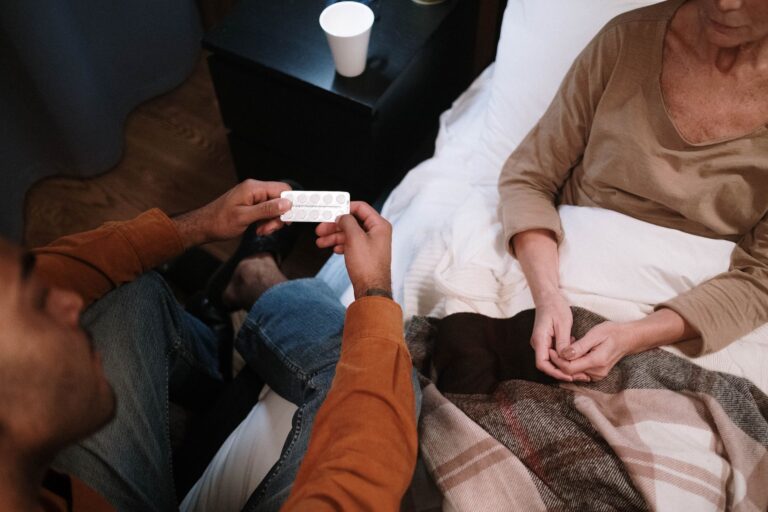
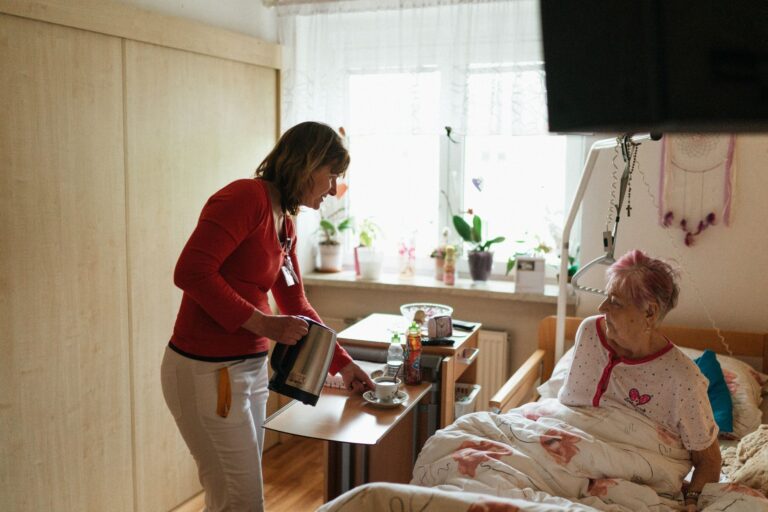
Choose a low-tech board that covers yes/no, pain, hunger, thirst, toileting, comfort and feelings, plus personal photos. A communication board is a flat display of pictures, words or symbols a resident can point to, look at or touch instead of speaking. Start with that simple board, then add tablet or voice-output tools only with speech-language coaching. Personal images work better than generic clip-art for building shared understanding.
Medical information disclaimer: This article is for general educational purposes only and does not provide medical advice, diagnosis, or treatment. Always consult a physician or other qualified health professional about symptoms, medications, tests, or treatment decisions.
Table of Contents
- What should the board include?
- How do you make it easy to see and understand?
- How should staff use it with a resident?
- Where are the limits?
- Frequently Asked Questions
What should the board include?
Put daily needs first. List yes, no, pain, hungry, thirsty, toilet, hot, cold, tired, help and basic feelings.
Add people and comforts that matter to that resident. Use a photo of a daughter, a favorite blanket, a chair by the window or a preferred drink.
- yes / no
- I hurt here / I feel sick
- hungry / thirsty
- toilet / change me
- too hot / too cold / tired
How do you make it easy to see and understand?
Keep each card simple and uncluttered. According to the BMC Geriatrics focus-group study, dementia-friendly visuals use large print, sans-serif type, clear high-contrast images and only one or two words per card, with participants favoring navy/white contrast in the study report. Use photographs or objects meaningful to that resident, not generic clip-art.
The IDEAL programme researchers recommend this person-centred approach to support shared understanding in moderate-to-severe dementia in their programme findings. Give memory topics the same simple treatment. Adults with midstage dementia used Bourgeois Memory Wallets with one personal photo per page and a 5- to 7-word declarative sentence, and made more on-topic factual statements with fewer ambiguous utterances, as described in the JMIR Aging review.
How should staff use it with a resident?
Pair the board with calm nonverbal care. In late-stage disease residents often rely almost entirely on nonverbal signals, so the National Institute on Aging advises approaching from the front, identifying yourself, making eye contact, using gentle touch and watching grimacing, restlessness or withdrawal, per its caregiving guidance. Hold the board steady at eye level in good light. Point to two choices at a time, name them aloud and wait.
Accept a gaze, point, nod or touch as an answer. Keep sessions short and tied to real moments. Offer the drink card at breakfast, the pain card during care and the family photo card during visits. Praise any attempt and stop if the resident turns away.
Where are the limits?
Low-tech boards aid choice, comfort and social moments, but they do not restore memory. A 2019 systematic review of 39 studies found AAC strategies supported receptive and expressive language, social participation, decision-making and reminiscence interactions in degenerative dementia, according to the American Speech-Language-Hearing Association Evidence Maps in its evidence summary. Memory books and wallets improved language scores in studies but showed little impact on functional everyday communication.
A severe-dementia pilot found no on-topic gain for 3 of 5 people with very low test scores. Do not rush to voice-output devices. A 30-person trial in moderate Alzheimer's found voice output worsened conversation. Add tablet or voice-output AAC only with speech-language coaching, and keep the simple board available.
Frequently Asked Questions
Can a resident who never speaks still use a board?
Yes. Accept eye gaze, pointing, touching or facial change as a choice, and keep choices to two at a time.
How many pictures should be on one board?
Keep it small. Show six to eight large needs cards, then add one personal page for family, comforts and routines.
When should we try a tablet or talking device?
After the low-tech board is working. Ask a speech-language clinician for coaching, and stop if the device causes confusion or withdrawal.