Reviewed by the Help Dementia Editorial Team — our editors review every article for accuracy against guidance from the National Institute on Aging, the Alzheimer’s Association, and peer-reviewed sources.
CDR 3 represents severe dementia on the Clinical Dementia Rating scale, where 3 is the highest score possible. It indicates a person has lost nearly all cognitive and functional abilities—they retain only fragments of memory, can no longer manage any daily activities independently, and require constant assistance and supervision. For example, someone at CDR 3 might recognize a spouse only occasionally or not at all, cannot communicate in complete sentences, cannot bathe or dress themselves without help, and cannot be left alone. The Clinical Dementia Rating (CDR) is a standardized measurement tool used by doctors and neurologists to assess the degree of cognitive decline in dementia.
The scale ranges from 0 (no dementia) to 3 (severe dementia), with evaluations based on six specific domains: memory, orientation, judgment and problem-solving, community affairs, home and hobbies, and personal care. Reaching CDR 3 means the person has moved beyond the mild or moderate stages of dementia into severe decline—a point where all aspects of independence have essentially disappeared. Understanding CDR 3 matters because it helps families, caregivers, and clinicians prepare for the realities of advanced dementia care, set realistic expectations, and access appropriate support services and resources. The assessment is based on standardized criteria, making it a reliable benchmark across medical settings, rather than relying solely on personal observation or informal descriptions of decline.
Table of Contents
- How Is CDR 3 Different from Milder Forms of Dementia?
- Memory Loss and Cognitive Decline at CDR 3
- Activities of Daily Living and Personal Care Needs at CDR 3
- How Is CDR 3 Assessed and Diagnosed?
- The Ceiling Effect—Why CDR 3 Cannot Distinguish Severity Variations
- CDR-SB Scores for More Detailed Measurement
- Planning Care and Support for CDR 3 Dementia
- Conclusion
How Is CDR 3 Different from Milder Forms of Dementia?
The Clinical Dementia Rating scale measures dementia severity across six distinct domains, and the ratings at each level tell very different stories about a person’s remaining abilities. At cdr 0, there is no dementia. At CDR 0.5, a person has mild cognitive impairment with slight memory problems but relatively intact daily functioning. At CDR 1 (mild dementia), a person has clear memory loss and some difficulty managing complex tasks but can still perform many daily activities independently. By CDR 2 (moderate dementia), the person requires more assistance with personal care, loses awareness of current events, and cannot manage finances or medications alone.
CDR 3 is categorically different from these earlier stages because it represents the absence of functional independence. While someone with CDR 1 can still go to the grocery store or manage basic hygiene with reminders, someone at CDR 3 cannot do either. The memory loss is not just noticeable—it is severe enough that only fragments remain. The person may not recognize family members consistently, and judgment has deteriorated to the point where they cannot make any decisions about their own care. The diagnostic sensitivity of the CDR scale is 87% for detecting dementia overall, and the scale’s precision in distinguishing severity levels makes CDR 3 a clear marker of profound functional decline.

Memory Loss and Cognitive Decline at CDR 3
At CDR 3, memory loss reaches a point where only fragments of information persist—the person cannot recall recent events, recent conversations, or the identities of most people in their life. This is not mild forgetfulness; it is a near-complete erasure of recent and intermediate memories. Someone at this stage may remember fragments from their distant past (their childhood home, a spouse’s name from decades of marriage) but will not remember what they ate that morning, who visited yesterday, or why they are in a particular room. Orientation becomes profoundly impaired at CDR 3. The scale defines this stage as “orientation to person only,” meaning the person might recognize themselves in some basic way but is typically disoriented to time and place. They may not know what year it is, what month, or even what season.
They often do not know where they are or why. Some people at CDR 3 may not reliably recognize family members, even spouses or adult children they have known for decades. This loss of orientation creates a cycle of confusion and distress—the person living in a constant state of unfamiliarity and uncertainty. The cognitive ability to make judgments and solve problems is essentially absent at CDR 3. A person at this stage cannot make decisions about their healthcare, cannot handle money, cannot follow complex instructions, and cannot understand cause and effect in practical situations. This places an enormous burden on caregivers because every decision, from medication timing to meal planning to personal hygiene, falls entirely to the caregiver. Unlike milder stages where a caregiver might guide someone through a task with reminders, at CDR 3 the caregiver must do the task or make the decision entirely.
Activities of Daily Living and Personal Care Needs at CDR 3
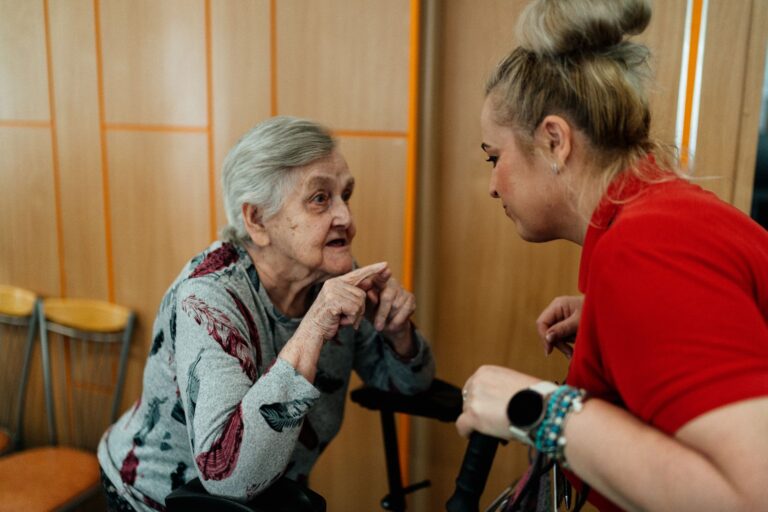
Activities of daily living (ADLs)—eating, bathing, dressing, toileting, and mobility—require full or near-full assistance at CDR 3. A person at this stage may not initiate eating on their own, may forget to chew or swallow properly, and may need someone to put food in front of them and encourage consumption. Bathing requires someone to prepare the environment, undress the person, manage water temperature, wash all areas of the body, and redress them. Dressing is entirely dependent; the person may not know which clothing to choose or how to put it on. Communication becomes fragmentary and often severely limited at CDR 3. Some people at this stage speak only in words or short phrases, while others speak not at all.
Even when words are present, they may be repetitive, confused, or unrelated to the situation. Understanding language directed at them becomes difficult as well—instructions with multiple steps are impossible to follow, and the person may not understand simple questions. This communication loss deepens isolation and makes it impossible for the person to express pain, discomfort, or needs clearly, requiring caregivers to interpret behavior and make educated guesses about what the person needs. The combination of these dependencies creates a scenario where the person at CDR 3 cannot be left alone, even for short periods. Many families find that one caregiver must be present at all times, and nighttime care often requires assistance as well. The emotional and physical toll on family caregivers at this stage is substantial, and most families find that professional in-home care or facility-based care becomes necessary.

How Is CDR 3 Assessed and Diagnosed?
The CDR assessment is not based on a single test or measurement but rather on a structured clinical interview combined with information from a caregiver who knows the person well. A clinician will ask the person questions about their memory, ask about recent events, test orientation to time and place, and observe their ability to communicate and make decisions. Equally important is the interview with a family member or close caregiver who can provide detailed information about the person’s actual functioning at home—whether they can manage medications, handle money, cook, or care for themselves. The assessment process involves rating each of the six domains, and the pattern of scores determines the overall CDR stage. At CDR 3, typically all or nearly all domains show severe impairment.
The clinician must have observed the person directly and received detailed caregiver input; without both pieces of information, the assessment is incomplete and potentially inaccurate. This requirement for caregiver input is important because cognitive changes may not be obvious during a brief clinical visit, and the true severity of functional decline emerges from the daily reality that caregivers witness. One important practical note: the CDR assessment process takes time and skill. It is not something that can be done accurately by a generalist or in a brief appointment. A specialist in dementia or neurology should conduct the evaluation, and the evaluation may need to be revisited periodically to track changes over time. The sensitivity of the CDR scale is high—93% for detecting mild cognitive impairment and 87% for detecting dementia—but only when administered properly with adequate caregiver input.
The Ceiling Effect—Why CDR 3 Cannot Distinguish Severity Variations
An important limitation of the CDR scale is that CDR 3 is the highest score, and the scale does not differentiate between degrees of severity within CDR 3. Someone who speaks only single words and someone who speaks no words at all both receive a CDR 3 score. Someone who is bedridden and completely unresponsive and someone who can still walk with assistance both receive CDR 3 if their cognitive function is profoundly impaired. This “ceiling effect” means that two people at CDR 3 can have very different care needs and functional abilities, yet they appear identical on the CDR scale.
This limitation matters for clinicians and families because it means the CDR score alone does not capture the full picture of severity at the advanced stage. While the CDR score clearly indicates that a person has severe dementia requiring total assistance, it does not tell you whether the person needs one caregiver or two, whether they can still communicate at all, or how quickly their condition is declining. For these reasons, clinicians often use the CDR Sum of Boxes (CDR-SB) score in addition to the global CDR rating when measuring people at or near CDR 3. The CDR-SB ranges from 0 to 18 and provides a more granular measurement because it sums the scores across all six domains rather than collapsing them into a single global rating.

CDR-SB Scores for More Detailed Measurement
The CDR Sum of Boxes approach addresses the ceiling effect by rating each of the six domains on a scale from 0 to 3, then adding those scores together for a total that ranges from 0 to 18. This approach allows clinicians to see the pattern of decline across different cognitive areas. For example, two people might both have a global CDR of 3 (severe dementia), but one person might have a CDR-SB of 15 (meaning some domains show slightly less severe impairment) while the other has an 18 (meaning all domains are at maximum severity).
This additional detail helps clinicians track whether a person’s condition is stable, slowly declining, or rapidly declining within the severe stage. The CDR-SB is particularly useful for research and for monitoring people over time, because changes in the CDR-SB score can be detected even when the global CDR remains at 3. A family might notice their loved one’s condition worsening, and the CDR-SB score can reflect that decline quantitatively, even though the global CDR score does not change. This makes the CDR-SB a more sensitive tool for clinical care and research than the global CDR score alone.
Planning Care and Support for CDR 3 Dementia
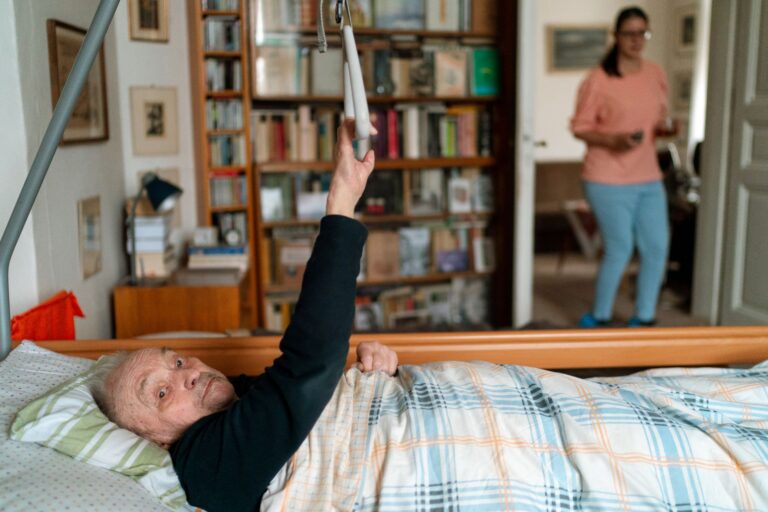
When a person reaches CDR 3, the focus of care necessarily shifts from attempting to slow cognitive decline to providing comfort, maintaining safety, managing behaviors and symptoms, and supporting the caregiver. At this stage, treatments designed to improve memory or cognition have little to no benefit; the emphasis instead falls on maintaining dignity, preventing infections and falls, managing pain, and ensuring the person’s basic needs are met consistently and compassionately. Family planning becomes critical at CDR 3.
Many families reach a decision point about whether care can continue at home with increasing support or whether residential care in a nursing facility or memory care unit becomes necessary. There is no single right answer—the decision depends on the family’s resources, the number of available caregivers, the person’s specific care needs, and access to professional support. What is clear is that the caregiver burden at CDR 3 is immense, and families should not feel obligated to provide all care themselves. Professional help, whether in-home care, adult day programs, or facility placement, is often not just helpful but necessary for both the person with dementia and the caregivers’ wellbeing.
Conclusion
CDR 3 represents the most severe stage of dementia, where cognitive and functional decline has reached a point that eliminates independence entirely. A person at CDR 3 has only fragments of memory remaining, cannot reliably recognize family members, cannot communicate effectively, cannot make any decisions, and requires full assistance with all daily activities.
The CDR assessment is a standardized, research-validated tool that helps clinicians and families understand where a person stands in the dementia journey and what to expect in terms of care needs. If you are caring for someone at CDR 3 or worried a loved one is approaching this stage, the most important step is to work with a dementia specialist to establish an accurate diagnosis and assessment, connect with caregiver support resources, and develop a realistic care plan that prioritizes both the person’s wellbeing and the caregiver’s sustainability. No one should navigate advanced dementia alone, and there are many resources and professionals available to help.
You Might Also Like
- CDR 2 Meaning: Moderate Dementia Explained
- CDR 1 Meaning: Mild Dementia Explained
- CDR Dementia Rating Explained
For more, see NIH MedlinePlus — cognitive testing.