What I Wish I Knew Before My Encephalomalacia Diagnosis

An encephalomalacia diagnosis reveals damage already done, but your actual experience depends on unpredictable factors doctors can't fully predict.
An encephalomalacia diagnosis reveals damage already done, but your actual experience depends on unpredictable factors doctors can't fully predict.

Encephalomalacia carries serious myths—many false, some overstated—that can distort expectations and delay proper care.

Neurological recovery is measured in small, specific improvements—not broad statements about progress, but concrete gains in what a person can do today that they couldn't do yesterday.

Telling people about a cognitive diagnosis is a strategic choice about who, when, and what to say.
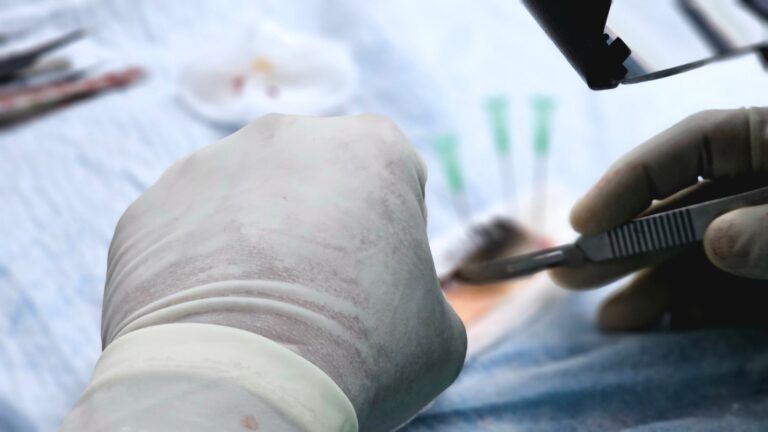
Brain surgery for encephalomalacia is rarely the answer—understand when complications actually call for the operating room.

After diagnosis, asking the right questions—about test certainty, medication limitations, and progression timelines—transforms you from a passive recipient to an informed partner in your care.

Brain tissue damaged by stroke doesn't expand, but secondary complications and new injuries create progressive decline.

Seizures in encephalomalacia patients arise from scarred brain tissue and often resist standard medications, requiring specialized management strategies to prevent chronic epilepsy.

Brain tissue damaged by stroke or trauma cannot be reversed, but the brain's remaining tissue can often compensate through intensive rehabilitation and neuroplasticity.

Brain tissue softening has distinct neurological signatures that vary by location, severity, and how recently the injury occurred.
HelpDementia.com
Dementia, Alzheimer's, Caregiving & Healthy Aging Guidance
© 2026 HelpDementia.com. All rights reserved.
Educational information only. It is not medical advice and does not replace care from a qualified clinician.